Rod guides are essential components, directing line smoothly along the rod, impacting casting distance and accuracy. Modern rods utilize materials like carbon fiber and ceramic inserts.
What are Fishing Rod Guides?
Fishing rod guides are the small rings strategically positioned along a fishing rod’s blank. Their primary function is to manage the fishing line as it travels from the reel to the lure or bait, and back again during retrieval. These guides aren’t merely placeholders; they significantly influence casting distance, accuracy, and overall fishing performance.
They minimize friction, preventing line damage and heat buildup during long casts. Guides come in various materials – ceramic, metal, and plastic – each offering different benefits. Quality guides, like those from Fuji Tackle and Seaguide, are crucial for a responsive and enjoyable angling experience.
Why are Rod Guides Important?
Rod guides are paramount for efficient energy transfer during casting. They prevent the line from directly contacting the rod blank, reducing friction that would otherwise diminish casting distance and accuracy. High-quality guides, particularly those with ceramic inserts like SIC, dissipate heat generated during extended casts, protecting the line from damage.
Properly functioning guides also contribute to a smoother drag system, crucial when fighting fish. Worn or damaged guides can cause line wear, potentially leading to breakage at a critical moment. Ultimately, guides directly impact an angler’s ability to effectively present a lure and land a fish.
Types of Fishing Rod Guides
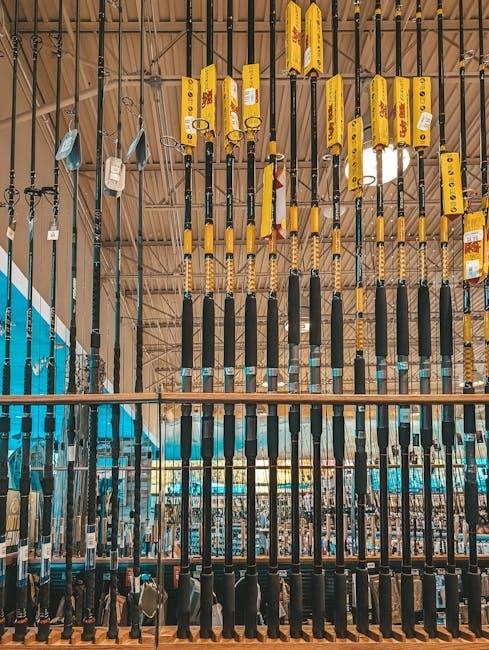
Fishing rod guides come in ceramic (SIC, alumina), metal (chrome, stainless steel, gold cermet), and plastic varieties, each offering unique benefits and price points.
Ceramic Guides (SIC & Alumina)
Ceramic guides, particularly those utilizing Silicon Carbide (SIC) and alumina, are highly prized for their exceptional smoothness and durability. SIC guides minimize friction, enhancing casting distance and reducing line wear, making them ideal for braided lines. Alumina guides offer a balance of performance and affordability.
These guides resist corrosion effectively, crucial for saltwater environments. The Diaflash technology mentioned in recent rod series utilizes these properties. While generally more expensive than metal options, the improved performance and longevity of ceramic guides justify the investment for serious anglers seeking optimal line management and sensitivity.
Metal Guides (Chrome, Stainless Steel, Gold Cermet)
Metal guides, traditionally made from chrome or stainless steel, offer durability and cost-effectiveness. Stainless steel provides excellent corrosion resistance, suitable for both freshwater and saltwater applications. Chrome guides, while less expensive, are prone to corrosion.
A notable advancement is Gold Cermet, a composite of ceramic and metal, offering a smoother surface than stainless steel while maintaining strength. Fuji Tackle’s NGG guides exemplify this technology. These guides balance performance and price, often found in high-quality rods; They are a reliable choice for anglers prioritizing durability and a smooth line flow.
Plastic Guides
Plastic guides represent the most economical option for fishing rods, frequently found on entry-level or budget-friendly setups. While lightweight, they generally lack the durability and heat dissipation capabilities of metal or ceramic guides. They are susceptible to wear from repeated line friction, potentially causing line damage and reduced casting distance.

These guides are best suited for infrequent use or situations where rod damage is a concern, as replacement is inexpensive. Though not ideal for demanding fishing conditions or high-performance applications, plastic guides serve as a functional starting point for new anglers.

Materials Used in Rod Guide Construction
Rod guide construction utilizes stainless steel for frames, ceramic inserts like Silicon Carbide (SIC) for smooth line flow, and durable Cermet combinations for enhanced performance.
Stainless Steel
Stainless steel remains a prevalent material for crafting rod guide frames due to its exceptional strength and corrosion resistance, particularly vital in saltwater environments. While not as lightweight as some alternatives, stainless steel offers remarkable durability, withstanding significant stress from line tension and impacts. Different grades exist, influencing cost and performance; higher grades provide superior corrosion protection.
It’s a cost-effective option, making it suitable for a wide range of rods. However, stainless steel guides can sometimes exhibit a rougher surface compared to ceramic inserts, potentially increasing friction. Despite this, its reliability and affordability ensure its continued use in many fishing rod designs, especially for heavier applications.
Ceramic Inserts (Silicon Carbide ー SIC)
Silicon Carbide (SIC) ceramic inserts are highly prized in rod guides for their exceptional hardness and smoothness, drastically reducing friction on the fishing line. This translates to longer, more accurate casts and minimizes line wear, extending its lifespan. SIC guides are remarkably resistant to heat buildup, a crucial factor when using monofilament or fluorocarbon lines at high speeds.
They are significantly lighter than traditional metal guides, contributing to a more sensitive and balanced rod feel. While generally more expensive, the performance benefits of SIC inserts make them a popular choice for high-quality fishing rods targeting various species and techniques.
Cermet
Cermet guides represent a hybrid technology, blending ceramic and metal properties for enhanced performance. Typically, these guides feature a metallic base with a ceramic coating – often a gold cermet – providing a balance of durability and line-friendly smoothness. They offer excellent heat dissipation, crucial when dealing with friction from rapidly moving lines during casting.
Cermet guides are known for their resistance to chipping and cracking, making them suitable for demanding fishing conditions. While not as hard as pure SIC, they provide a cost-effective alternative with reliable performance, frequently found in higher-end rod builds.

Rod Guide Components & Terminology
Rod guides consist of rings (directing line) and feet (securing to the rod). Understanding guide size and numbering helps optimize line flow and casting.
Guide Rings
Guide rings are the circular component of a rod guide, crucially responsible for managing the fishing line’s path along the rod’s length. They minimize friction, enabling smoother casts and preventing line damage. Materials vary, with ceramic inserts like Silicon Carbide (SIC) being highly popular due to their durability and heat dissipation properties. The ring’s inner diameter must correspond to the line weight being used; too small, and it creates friction, while too large can cause tangling.
Different ring shapes, like conical or V-shaped, further refine line flow. Properly functioning guide rings are paramount for optimal casting performance and protecting your valuable fishing line.
Guide Feet
Guide feet are the structural elements securing the guide ring to the fishing rod blank. They’re typically made from stainless steel, though other materials like aluminum are sometimes used in specialized applications. The feet are often wrapped and secured with thread, then coated with epoxy for a durable bond. Proper foot alignment is critical; misaligned guides significantly increase friction and reduce casting distance.
The design of the feet – whether they are flared, straight, or have underwraps – impacts how securely they adhere to the rod and distribute stress. Strong, well-attached feet are essential for preventing guide failure during use.
Guide Size & Numbering
Rod guide size is typically indicated by a numerical value, with higher numbers representing larger inner diameters. This numbering system isn’t standardized across all manufacturers, so direct comparisons can be tricky. Guide size selection depends on the line weight and rod taper; heavier lines require larger guides.
The number of guides on a rod varies based on length and intended use. Spinning rods generally have more guides than casting rods. Proper spacing ensures efficient energy transfer during casting and prevents line tangles. Guide placement follows specific formulas to optimize performance.
Choosing the Right Rod Guides for Your Fishing Style
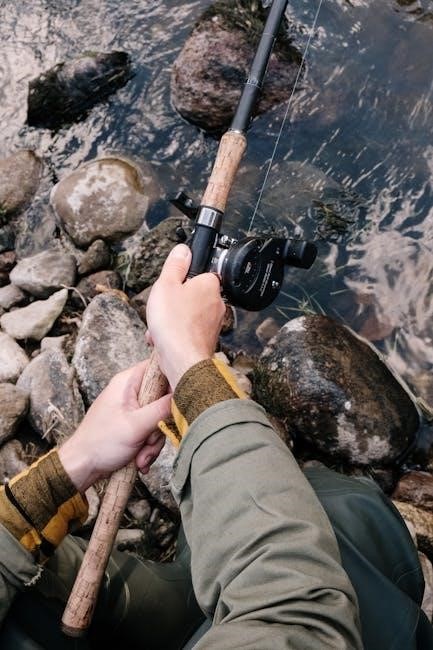
Selecting guides depends on technique: spinning needs more, casting fewer, and fly fishing utilizes specialized micro guides for delicate presentations and line control.
Spinning Rod Guides
Spinning rod guides typically feature a larger diameter first guide, often a stripping guide, to manage line coming from the spinning reel’s spool. Subsequent guides progressively decrease in size, smoothly transitioning the line towards the rod tip. These guides are strategically placed to minimize friction during casting and retrieve, enhancing distance and reducing line wear.
The arrangement prioritizes efficient line flow, accommodating the spinning reel’s inherent line twist. Materials like ceramic inserts (SIC) are common, offering durability and reducing heat buildup. Guide angles are also crucial, designed to prevent tangles and ensure smooth operation with monofilament, fluorocarbon, or braided lines. Proper guide selection significantly improves the overall spinning rod performance.
Casting Rod Guides
Casting rod guides differ from spinning guides, generally employing smaller diameter guides throughout the length of the rod. This design accommodates the direct line control offered by baitcasting reels, minimizing friction and maximizing casting accuracy. The initial guides are positioned to manage line leaving the reel, while subsequent guides progressively reduce in size, guiding the line smoothly.
Micro guides are increasingly popular, reducing line contact and enhancing sensitivity. Materials like stainless steel, ceramic (SIC), and cermet are frequently used for durability and performance. Guide foot design and wrapping techniques are critical for secure attachment and optimal line flow, contributing to a more responsive and powerful casting experience.
Fly Rod Guides
Fly rod guides are uniquely designed to manage the weightless fly line, differing significantly from spinning or casting rod setups. They typically feature a smaller number of guides – often six to twelve – with larger diameters compared to other rod types. These guides are strategically placed to control the fly line’s loop during casting, minimizing friction and ensuring smooth delivery.
Materials like ceramic (specifically alumina or SIC) are common, providing durability and reducing line wear. Guide feet are often wire or ceramic, carefully secured with thread wraps. The guide’s shape and positioning are crucial for maintaining line control and achieving accurate casts in diverse fly fishing conditions.
Rod Guide Maintenance & Repair
Regular cleaning prevents corrosion and line damage; Damaged guides should be promptly replaced to maintain casting performance and protect your valuable fishing line.
Cleaning Rod Guides
Maintaining clean rod guides is crucial for optimal performance and extending their lifespan. Saltwater and debris accumulate, causing friction and potentially damaging your fishing line. After each use, especially in saltwater environments, gently wipe down the guides with a damp cloth to remove visible residue.
For more thorough cleaning, use a mild soap solution and a soft brush, carefully scrubbing the guide feet and rings. Avoid abrasive cleaners that could scratch the ceramic inserts. Rinse thoroughly with fresh water and allow the rod to air dry completely before storage. Regular cleaning prevents corrosion, ensures smooth line flow, and ultimately enhances your fishing experience.
Replacing Damaged Guides
Damaged rod guides significantly impact casting accuracy and line control, necessitating replacement. Cracks in the ceramic inserts or corrosion on the guide frames create friction points, leading to line wear and potential breakage. Replacing guides requires specialized tools and some technical skill; consider professional rod building services if you’re unsure.
The process involves removing the old guide feet (often secured with epoxy), preparing the rod surface, and bonding the new guide in place with epoxy. Proper alignment is critical for optimal performance. Investing in quality replacement guides, like those from Fuji or Seaguide, ensures durability and maintains the rod’s sensitivity.
Popular Rod Guide Brands
Fuji Tackle and Seaguide are leading manufacturers, renowned for high-quality, durable rod guides used by both custom builders and major rod companies.
Fuji Tackle
Fuji Tackle stands as a globally recognized leader in fishing rod component manufacturing, particularly celebrated for its exceptional rod guides. Their extensive catalog includes a diverse range of guides, from the premium NGG Gold Cermet series – known for their heat dissipation and durability – to more affordable options. Fuji guides are favored by both professional rod builders and anglers seeking to upgrade their equipment.
The brand’s commitment to innovation and quality control ensures consistent performance and reliability. Fuji offers guides suitable for various fishing techniques, including spinning, casting, and fly fishing, catering to a broad spectrum of angling needs. Discontinued models, like the NGG, still hold value for specific applications.
Seaguide
Seaguide has emerged as a prominent competitor to Fuji Tackle, offering a comprehensive selection of high-quality fishing rod guides at competitive price points. The Seaguide XOG series, for example, is frequently featured on newer rod models, demonstrating their growing industry acceptance. They provide a wide array of guide types, including ceramic and metal options, suitable for diverse fishing applications.
Seaguide’s commitment to utilizing advanced materials and manufacturing processes results in guides that deliver excellent performance and durability. They are increasingly popular among rod builders and manufacturers seeking reliable components without the premium Fuji price tag, proving a strong alternative.
Other Notable Brands
Beyond Fuji Tackle and Seaguide, several other brands contribute to the fishing rod guide market, though with a smaller overall presence. These include companies specializing in specific guide types or catering to niche fishing segments. While details are less readily available, these brands often focus on innovation and specialized solutions.
They may offer unique materials or designs aimed at enhancing performance in particular fishing scenarios. Rod builders often explore these alternatives to customize their builds, seeking guides that perfectly match their specific requirements and preferences, adding diversity to the market.