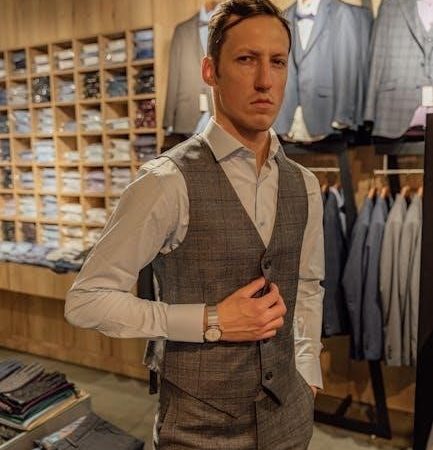
Navigating the world of menswear requires understanding evolving styles, from streetwear influences to European and Korean trends, offering diverse options․
The Evolving Landscape of Men’s Style
Historically, men’s fashion was defined by practicality and social status, but today it’s a dynamic expression of individuality․ The lines between formal and casual have blurred, fueled by the rise of streetwear and a growing acceptance of experimentation․ We’re witnessing a fascinating interplay between established tailoring traditions and innovative, trend-driven aesthetics․
Recent years have seen a significant shift towards bolder color palettes, moving beyond traditional navy and grey․ Pastel shades and striking monochrome ensembles are gaining prominence, as showcased by designers like Rick Owens․ Simultaneously, influences from European and Korean fashion scenes are shaping contemporary menswear, introducing preppy elements and editorial-ready designs․
The impact of generative AI, while still nascent, hints at a future where trend prediction becomes increasingly sophisticated․ However, the core of men’s style remains rooted in personal expression and adapting to a constantly changing cultural landscape․
Understanding Your Body Type
Identifying your silhouette is crucial for selecting clothes that flatter your physique, enhancing your style and overall confidence in fashion․
Identifying Your Silhouette
Determining your body shape is the foundational step in building a stylish and well-fitting wardrobe․ Common male body types include athletic, average, slim, and larger build․
The athletic build typically features broad shoulders and a defined waist, while the average build presents a more balanced proportion․ Slim builds often benefit from layering to add volume, and larger builds may focus on creating a streamlined appearance․
To accurately assess your silhouette, stand in front of a mirror in minimal clothing and observe your overall shape․ Pay attention to your shoulder width, waist size, and chest circumference․
Consider if your body shape resembles a triangle, rectangle, or inverted triangle․ Understanding these basic shapes will guide your clothing choices, ensuring a flattering and confident look․
Dressing for Different Body Shapes
Once you’ve identified your silhouette, tailoring your wardrobe to flatter it is crucial․ For athletic builds, fitted clothing that showcases the physique works well, but avoid overly tight garments․
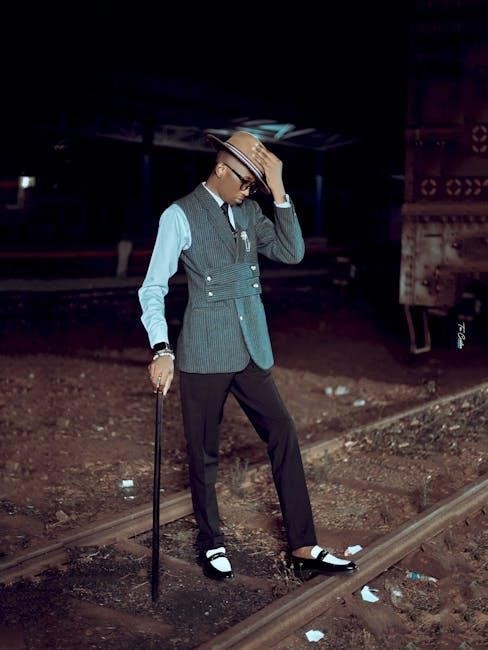
Average builds can experiment with a wider range of styles, focusing on balanced proportions․ Slim builds benefit from layering and textured fabrics to add visual weight and create a more substantial appearance․
Larger builds should prioritize well-fitting clothes that skim the body without being restrictive․ Vertical stripes and darker colors can create a slimming effect, while avoiding bulky or oversized items is key․
Ultimately, the goal is to create a harmonious silhouette that enhances your best features and boosts your confidence․
Essential Wardrobe Staples
Building a versatile wardrobe begins with timeless pieces like classic t-shirts, well-fitted jeans, chinos, and a sharp suit for formal occasions․
Classic T-Shirts and Polos
The foundation of any great men’s wardrobe rests upon the simple, yet incredibly versatile, t-shirt and polo․ These aren’t just casual staples; they’re building blocks for countless outfits․ A well-fitting, high-quality t-shirt in neutral colors – white, black, navy, grey – is essential․
Consider the neckline: crew necks offer a classic look, while V-necks can elongate the torso․ Polos, offering a step up in formality, provide a similar versatility․ Look for pique cotton or merino wool for breathability and a refined appearance․
Don’t underestimate the power of layering; a t-shirt under a denim jacket or a polo beneath a blazer instantly elevates the look․ Investing in several quality options in different colors and fits ensures you’re prepared for any occasion, from relaxed weekends to smart-casual events․
Versatile Jeans and Chinos
Jeans and chinos represent the cornerstone of adaptable menswear, seamlessly transitioning between casual and slightly more dressed-up scenarios․ Dark-wash jeans, particularly slim or straight-leg cuts, offer incredible versatility, pairing well with everything from t-shirts to blazers․
Chinos, available in a wider range of colors – khaki, navy, olive, grey – provide a softer alternative to jeans, ideal for warmer weather or when a more refined aesthetic is desired․ Pay attention to the fit; a tailored chino looks significantly sharper than a baggy one․
Consider fabric weight; lighter-weight chinos are perfect for summer, while heavier options provide more structure․ Both jeans and chinos should be comfortable and allow for ease of movement, forming the reliable base of numerous stylish outfits․
The Importance of a Well-Fitted Suit
A well-fitted suit is paramount in a man’s wardrobe, instantly elevating his appearance and conveying confidence․ It’s not merely about the brand or price tag, but how the suit conforms to your body․ Shoulders should lie flat, the jacket’s length proportionate to your height, and sleeves revealing approximately half an inch of shirt cuff․
Trousers should break slightly at the shoe, avoiding bunching or appearing too short․ Investing in tailoring is crucial; an off-the-rack suit rarely fits perfectly․ Consider the fabric – wool is a classic choice, offering breathability and drape․
Navy and charcoal grey are versatile colors, suitable for various occasions․ A properly fitted suit isn’t just for formal events; it can be dressed down with a t-shirt and sneakers for a modern look․
Key Style Trends for 2024/2026
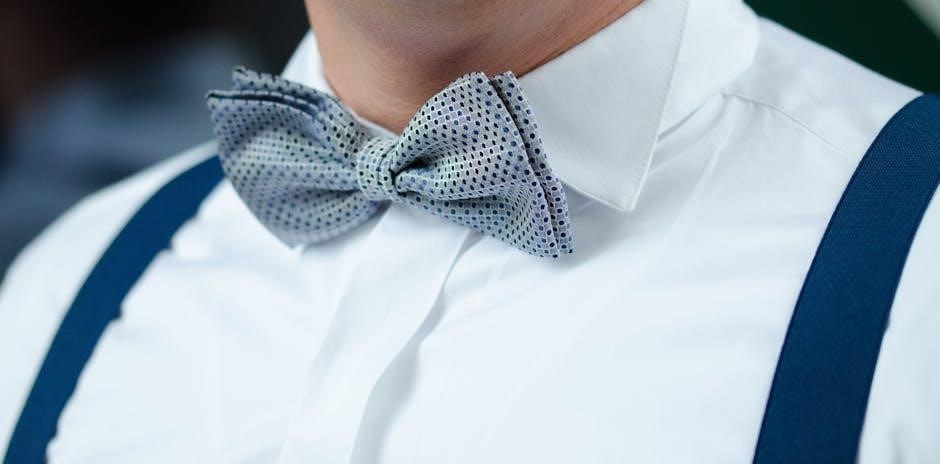
Expect a vibrant shift towards pastel shades and bold monochrome palettes, alongside the continued dominance of streetwear staples like denim and bomber jackets․
The Rise of Pastel and Bold Monochrome Colors
The color landscape for men’s fashion is experiencing a significant transformation, moving beyond traditional neutrals․ Designers are increasingly embracing a spectrum of pastel hues, offering a softer, more approachable aesthetic․ Think lavender, mint green, and baby blue incorporated into shirts, knitwear, and even outerwear․
Simultaneously, bold monochrome looks are gaining traction, providing a striking and sophisticated alternative․ This trend involves pairing different shades of a single color – for example, charcoal grey with lighter greys – to create depth and visual interest․ Rick Owens’ Spring 2023 menswear collection notably showcased this trend, demonstrating the power of monochromatic styling․
These color choices aren’t about abandoning classic style; rather, they represent a modern evolution, allowing men to express their individuality through nuanced and contemporary color palettes․ Experimenting with these shades can elevate any wardrobe, adding a touch of freshness and sophistication․
Streetwear Influence: Denim Jackets & Bombers
Streetwear continues to exert a powerful influence on contemporary men’s fashion, and two key pieces exemplify this trend: the denim jacket and the bomber jacket․ The denim jacket, a timeless classic, is being reimagined with modern fits, washes, and detailing, moving beyond its traditional workwear roots․ It’s a versatile layering piece, easily dressed up or down․
The bomber jacket, particularly in suede or sherpa-lined variations, offers a stylish and comfortable option for transitional weather․ These jackets provide a relaxed yet refined aesthetic, perfectly complementing streetwear-inspired outfits․ They’re often seen paired with hoodies, graphic tees, and tailored trousers, creating a balanced look․
These pieces aren’t just about replicating a specific style; they’re about incorporating a sense of effortless cool and individuality into your wardrobe․
European & Korean Fashion Trends
European and Korean fashion scenes are currently shaping menswear with distinct yet increasingly intertwined aesthetics․ European trends, particularly those emerging from Paris, lean towards sophisticated tailoring, refined silhouettes, and a focus on quality materials․ Expect to see preppy looks, classic outerwear, and a generally polished appearance․
Korean fashion, on the other hand, often embraces bolder experimentation with color, oversized fits, and unique layering techniques․ It’s characterized by a youthful energy and a willingness to push boundaries․ Both styles are influencing global trends, with a growing appreciation for both understated elegance and playful innovation․
The fusion of these influences creates a dynamic and exciting landscape for men’s fashion, offering a wide range of options for expressing personal style․
Layering Techniques for Style and Warmth
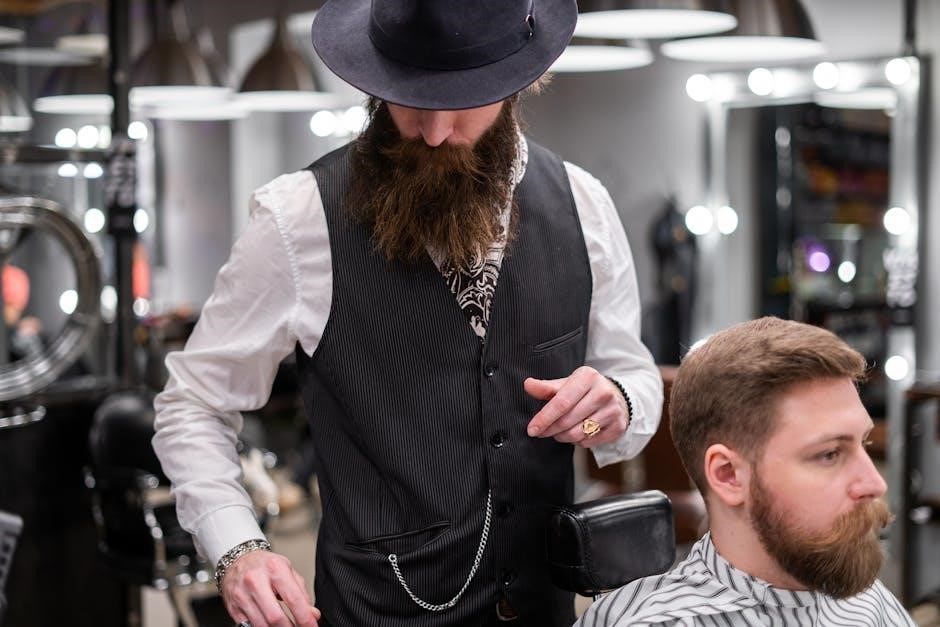
Mastering layering involves combining textures and weights, utilizing sherpa layers, denim jackets, and bombers for both functionality and a stylish aesthetic․
Mastering the Art of Layering
Layering isn’t simply about adding clothes; it’s a sophisticated technique to elevate your style and adapt to fluctuating temperatures․ Begin with a base layer – a quality t-shirt or thermal – followed by a mid-layer for insulation, such as a lightweight sweater or a flannel shirt․
The outer layer provides protection from the elements and completes the look; consider a denim jacket, a suede bomber, or a sherpa-lined coat․ Experiment with textures and weights to create visual interest․ A sleek bomber over a chunky knit adds depth, while a denim jacket paired with a lighter shirt offers a more casual vibe․
Don’t be afraid to play with proportions – a longer outer layer over shorter inner layers can create a flattering silhouette․ Color coordination is also key; stick to complementary colors or embrace bold monochrome looks․ Ultimately, mastering layering is about understanding how different pieces work together to create a cohesive and stylish ensemble․
Seasonal Layering Options
As seasons shift, your layering strategy should adapt․ For cooler autumn days, combine a lightweight denim jacket with a flannel shirt over a t-shirt, offering both warmth and style․ Transitioning into winter demands heavier options: a sherpa-lined bomber or a wool coat layered over a sweater and a thermal base․
Spring layering involves lighter fabrics – a bomber jacket or a trench coat over a long-sleeved shirt and a t-shirt․ Embrace pastel colors and bolder monochromes for a fresh look․ Summer layering is about versatility; a light linen shirt over a t-shirt provides sun protection and a relaxed vibe․
Remember to consider the occasion; adjust your layers accordingly․ A more formal setting might call for a tailored coat, while a casual outing allows for more relaxed options․ Prioritize comfort and functionality alongside style, ensuring your layers complement each other and the overall aesthetic․
Footwear: Completing the Look
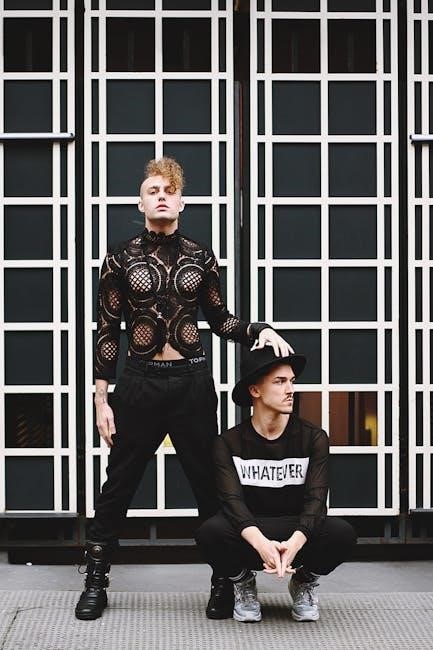
Sneakers offer casual style, while dress shoes elevate formal ensembles; selecting the right footwear is crucial for a polished and cohesive appearance․
Sneakers: Casual and Stylish
Sneakers have transcended their athletic origins to become a cornerstone of modern men’s fashion, offering unparalleled versatility and comfort․ From classic canvas styles to cutting-edge performance designs, the options are seemingly endless․
Consider the silhouette: low-tops provide a streamlined look, ideal for warmer weather and pairing with chinos or shorts, while high-tops offer a bolder statement and can complement jeans or even tailored trousers․ Material plays a key role; leather sneakers exude sophistication, suede adds texture, and canvas delivers a relaxed vibe․
Color is another crucial element․ Neutral tones like white, black, and grey are incredibly versatile and can be integrated into almost any outfit․ However, don’t be afraid to experiment with bolder colors or patterns to add a touch of personality․ Beyond aesthetics, prioritize comfort and quality construction․ A well-made pair of sneakers will not only look good but also provide lasting support and durability․
Dress Shoes: Formal Occasions
When it comes to formal events, the right pair of dress shoes is paramount, signifying respect for the occasion and completing a polished ensemble․ Several classic styles consistently deliver sophistication․ Oxfords, characterized by their closed lacing system, are the most formal option, perfect for black-tie events or important business meetings․
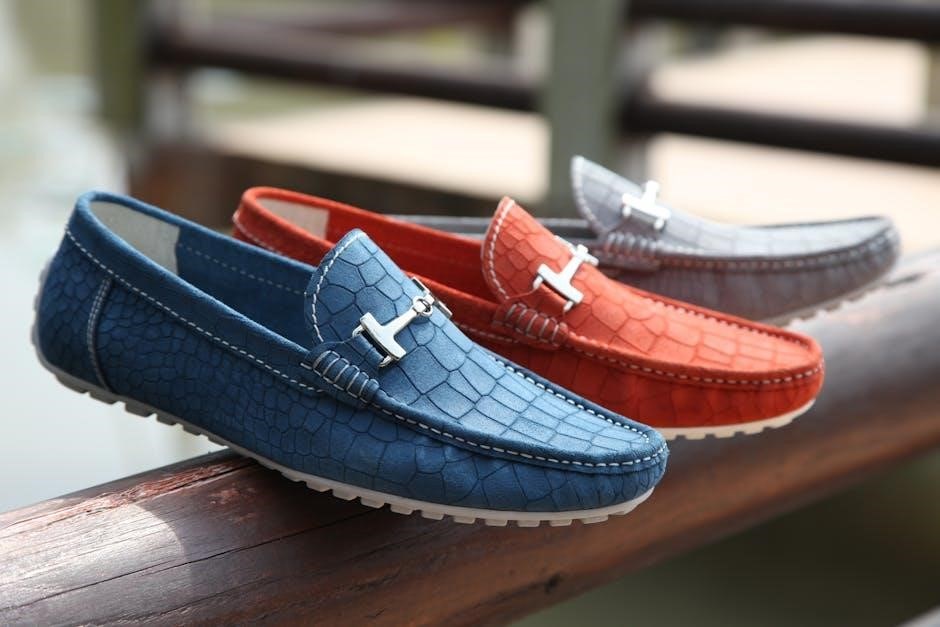
Derbies, with their open lacing, offer a slightly more relaxed yet still refined aesthetic, suitable for weddings or upscale dinners․ Monk straps provide a distinctive touch, while loafers, though versatile, are generally best reserved for semi-formal settings․ Leather remains the material of choice, with black and dark brown being the most versatile colors․
Ensure a proper fit and prioritize quality craftsmanship for both comfort and longevity․ A well-maintained pair of dress shoes is an investment that will elevate your style for years to come․
Accessories: The Finishing Touches
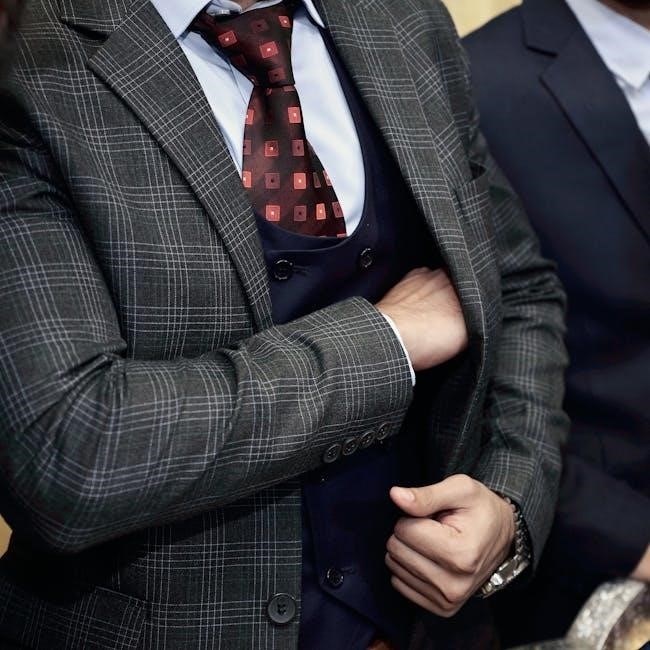
Watches, jewelry, belts, scarves, and hats are essential for adding personality and refinement to any outfit, completing the overall look․
Watches and Jewelry
A well-chosen watch is a cornerstone of men’s accessories, signaling both style and sophistication․ From classic timepieces with leather straps to modern, minimalist designs, the options are vast․ Consider the occasion; a robust chronograph suits casual settings, while a sleek dress watch complements formal attire․
Jewelry for men has evolved beyond simple wedding bands․ Subtle chains, bracelets, and rings can add a touch of individuality․ Silver and stainless steel are versatile choices, while bolder pieces in gold or with gemstones make a statement․
However, moderation is key․ Avoid excessive layering or overly flashy pieces․ The goal is to enhance your look, not overwhelm it․ A single, well-chosen piece often speaks volumes, demonstrating a refined sense of style and attention to detail․
Belts, Scarves, and Hats
Belts are functional yet fashionable, completing an outfit and defining the waistline․ Leather belts in classic colors like black and brown are essential, while textured or patterned belts can add visual interest․ Ensure the belt buckle complements your overall style – understated for formal looks, bolder for casual ones․
Scarves offer both warmth and a stylish accent․ Silk scarves add a touch of sophistication, while knitted scarves provide cozy comfort during colder months․ Experiment with different colors and patterns to complement your outerwear․
Hats are a statement accessory․ Baseball caps are ideal for casual wear, while fedoras or beanies add personality․ Consider your face shape and outfit when choosing a hat, ensuring it enhances your overall look․