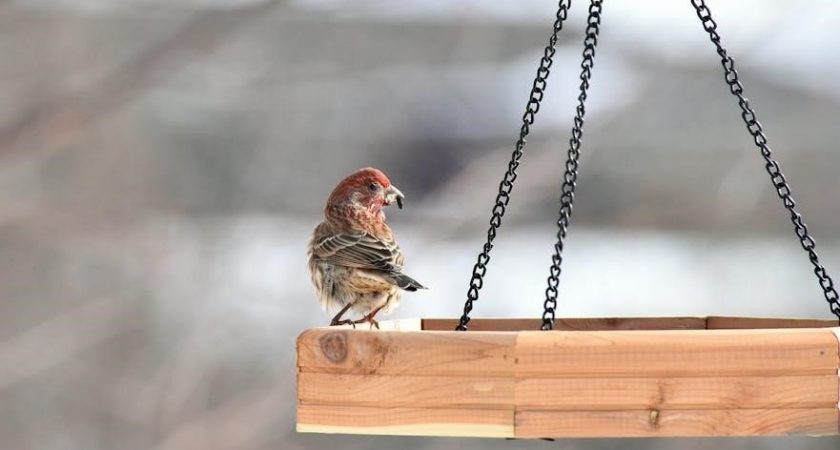
Smart bird feeders are revolutionizing birdwatching, capturing images and videos, identifying species, and even offering security features. These devices transform a traditional hobby.
For centuries, people have enjoyed attracting birds with feeders; now, smart technology enhances this experience, creating an interactive and informative pastime for enthusiasts;
What are Smart Bird Feeders?
Smart bird feeders represent a fascinating intersection of nature observation and modern technology. Unlike traditional feeders, these innovative devices incorporate cameras, artificial intelligence, and connectivity features to provide a richer, more engaging birdwatching experience. They automatically snap pictures and videos whenever a bird visits, allowing users to remotely observe their feathered friends.
The core functionality lies in their AI-powered bird identification capabilities. These feeders utilize sophisticated algorithms to recognize different bird species, providing users with instant information about the visitors to their backyard. Beyond birdwatching, some models even function as basic security cameras, offering an added layer of home monitoring. This evolution transforms a simple pastime into an interactive, educational, and potentially secure activity.
The Evolution of Bird Feeding
Bird feeding has a long and storied history, stretching back centuries as a way for people to connect with nature and support local wildlife. Initially, simple offerings like scattered seeds were enough to attract birds. Over time, feeders evolved in design, becoming more elaborate and protective against squirrels and the elements.
However, the arrival of smart bird feeders marks a significant leap forward. These devices aren’t merely about providing sustenance; they’re about actively observing, learning, and interacting with the birds that visit. This shift transforms bird feeding from a passive activity into an immersive, data-rich experience, fueled by technology and a growing interest in citizen science and backyard biodiversity.
Key Features and Technologies
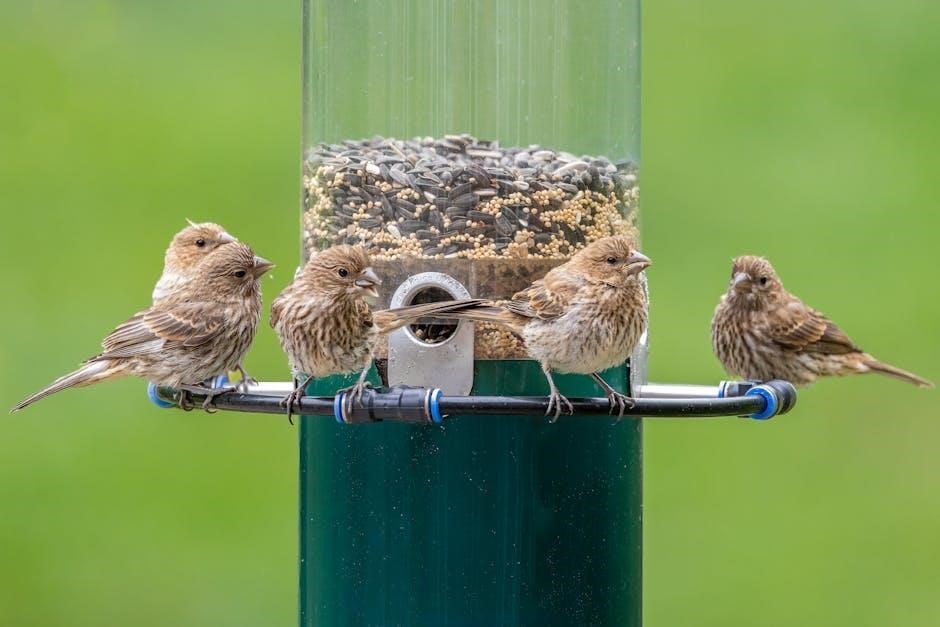
Smart bird feeders utilize AI for bird identification, high-resolution cameras for detailed images, and seamless app integration for real-time viewing and data analysis.
AI-Powered Bird Identification
Central to the functionality of these innovative feeders is the sophisticated artificial intelligence. This technology instantly recognizes various bird species visiting the feeder, eliminating the need for manual identification. The AI algorithms are continuously learning and improving, enhancing accuracy over time with software updates.
Users receive notifications on their smartphones detailing each bird’s species, often accompanied by interesting facts. This feature transforms passive observation into an engaging educational experience. The system analyzes visual characteristics, like plumage and size, to pinpoint the correct species, offering a detailed and convenient birdwatching experience for all levels of enthusiasts.
Camera Quality and Resolution
A crucial aspect of any smart bird feeder is the quality of its integrated camera. Higher resolution cameras – typically 1080p or greater – capture clearer images and videos, essential for accurate bird identification and detailed observation. Good low-light performance is also vital, ensuring quality footage even during dawn or dusk when birds are most active.
The camera’s field of view determines how much of the surrounding area is captured. Wider angles are beneficial for catching birds approaching from different directions. Image stabilization minimizes blur caused by wind or feeder movement, resulting in sharper, more usable footage for both identification and enjoyment.
Connectivity and App Integration
Seamless connectivity is paramount for a smart bird feeder. Most models utilize Wi-Fi to transmit images and data to a paired smartphone application. A stable 2.4 GHz Wi-Fi connection is generally required, as some feeders may not support 5 GHz networks. The accompanying app serves as the central hub for viewing live feeds, accessing recorded footage, and receiving bird identification notifications.
User-friendly app interfaces are essential for a positive experience. Features like customizable alerts, bird recognition history, and social sharing options enhance engagement. Reliable cloud storage ensures footage is safely backed up, while intuitive controls simplify feeder management and settings adjustments.
Top Smart Bird Feeder Models (February 15, 2026)
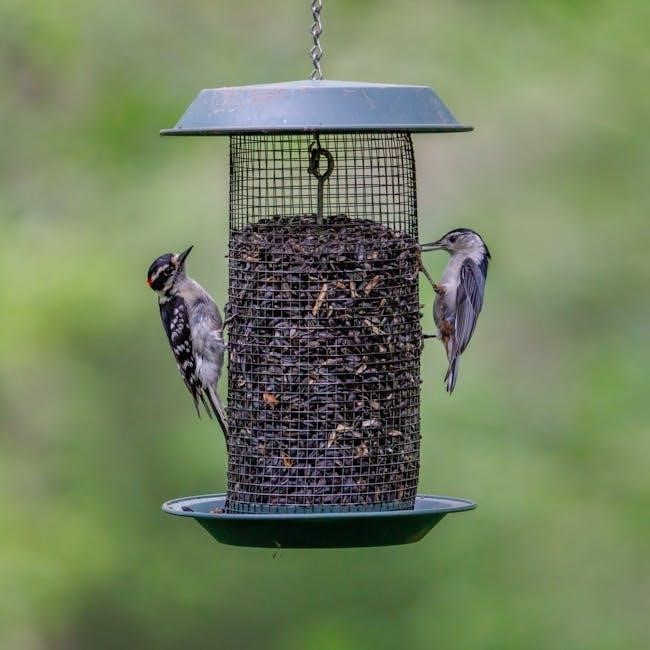
Today’s market offers several exceptional smart bird feeders, including the Bird Buddy Pro, Birdfy Feeder 2 Pro, and Happy Birdy Smart Feeder, each with unique features.
Bird Buddy Smart Feeder Pro ⎼ Overview
The Bird Buddy Smart Feeder Pro consistently ranks as a top performer, lauded for its exceptional design and robust feature set. This feeder doesn’t just dispense seeds; it delivers an immersive birdwatching experience. It utilizes an integrated HD camera to capture stunning photos and videos of visiting birds, automatically identifying species with impressive accuracy thanks to its AI capabilities.
Beyond identification, the Bird Buddy Pro boasts a sleek, aesthetically pleasing design that blends seamlessly into any backyard environment. Its accompanying app allows for real-time notifications, customizable schedules, and a vibrant community where users can share their sightings and learn from fellow bird enthusiasts. Testing reveals it frequently outperforms competitors, solidifying its position as a leading choice for both novice and experienced birdwatchers.
Birdfy Feeder 2 Pro ⎼ Detailed Look
The Birdfy Feeder 2 Pro distinguishes itself with its solar-powered operation and weather-resistant construction, ensuring reliable performance in diverse climates. This model offers a compelling blend of functionality and affordability, currently available with a significant discount using code DKDBDYD8 through February 28th. Its camera captures clear images and videos, leveraging AI to accurately identify a wide range of bird species visiting your feeder.
The feeder’s design prioritizes ease of use, with a straightforward setup process and intuitive app integration. Users appreciate its ability to function independently, minimizing the need for frequent battery replacements. Testing demonstrates its durability and consistent performance, making it a strong contender for those seeking a dependable and eco-friendly smart bird feeder solution.
Happy Birdy Smart Feeder ‒ Features and Benefits
The Happy Birdy Smart Feeder represents a recent evolution in backyard birdwatching, transforming a quiet pastime into an interactive experience. This feeder combines high-resolution imaging with intelligent AI-powered bird identification, allowing users to effortlessly catalog the species visiting their gardens. Beyond identification, the feeder’s app provides detailed information about each bird, enriching the birdwatching experience.
Its user-friendly design and seamless app integration make it accessible to both novice and experienced bird enthusiasts. The Happy Birdy Smart Feeder offers a unique opportunity to connect with nature, learn about local wildlife, and share captivating moments with friends and family, fostering a deeper appreciation for the avian world.
Setting Up Your Smart Bird Feeder
Proper mounting and placement are crucial for optimal performance. Initial configuration involves connecting to your Wi-Fi and setting up the accompanying mobile application for access.
Mounting and Placement Considerations
Strategic placement significantly impacts your smart bird feeder’s success. Choose a location offering a clear view of the sky for optimal solar charging, if applicable, and ensure stable Wi-Fi connectivity.
Mount the feeder at a height inaccessible to predators like cats, typically around 5-6 feet. Avoid dense foliage that could obstruct the camera’s view or interfere with signal strength. Consider prevailing wind directions to minimize seed spillage.
A relatively open area encourages birds to approach, while nearby shrubs provide quick escape routes. Regularly check the mounting stability, especially after inclement weather, to prevent falls and potential damage. Experiment with locations to find what attracts the most diverse bird population in your yard.
Initial Configuration and App Setup
Begin by downloading the feeder’s companion app from your app store. Create an account and follow the in-app instructions to connect your feeder to your home Wi-Fi network. This usually involves entering your Wi-Fi password and potentially scanning a QR code on the device.
Once connected, the app will guide you through calibrating the camera and setting up bird identification preferences. Ensure the feeder receives a strong Wi-Fi signal for reliable data transmission and real-time notifications.
Customize notification settings to receive alerts for specific bird species or motion detection. Regularly check for firmware updates within the app to maintain optimal performance and access new features.
Troubleshooting Common Connection Issues
If your feeder frequently disconnects, first verify your Wi-Fi router is functioning correctly and the feeder is within range. Restarting both the feeder and your router can often resolve temporary glitches. Check for interference from other devices operating on the 2.4 GHz band.
Ensure the correct Wi-Fi password was entered during setup. If problems persist, try moving the feeder closer to the router for testing. Consult the app’s help section or the manufacturer’s website for specific troubleshooting steps related to your model.
A weak signal strength is a common culprit; consider a Wi-Fi extender if necessary.
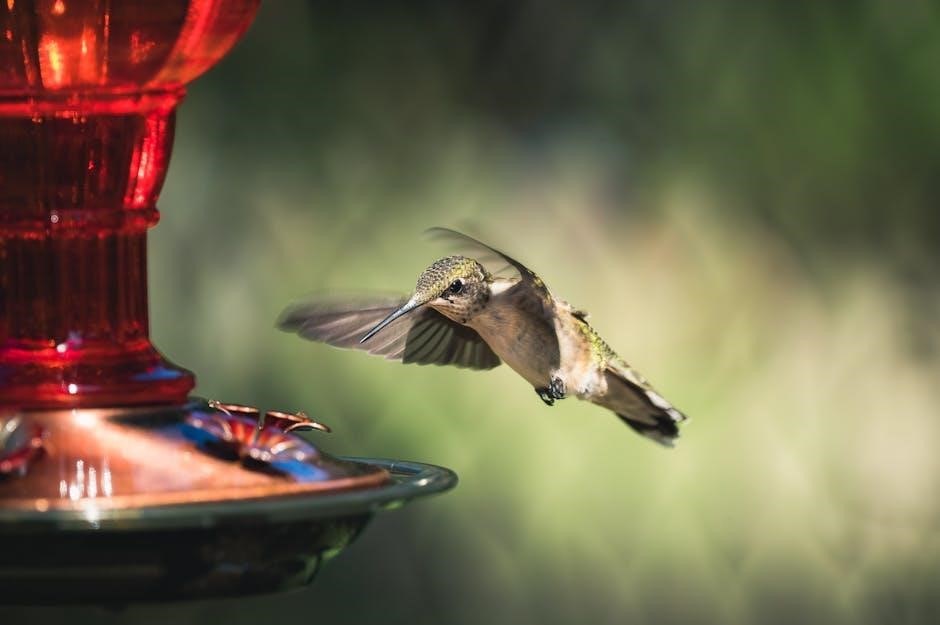
Maintaining Your Smart Bird Feeder
Regular cleaning is crucial for bird health, preventing mold and disease spread. Software updates ensure optimal performance and new features are available consistently.
Cleaning and Hygiene Practices
Maintaining cleanliness is paramount for the health of visiting birds and the longevity of your smart feeder. Regularly disassemble components, focusing on seed reservoirs and perches, to remove old seed and potential contaminants. A mild soap and warm water solution works effectively; avoid harsh chemicals that could harm birds.
Thoroughly rinse all parts and ensure they are completely dry before reassembly. Pay close attention to areas prone to moisture buildup, as these can foster bacterial or fungal growth. Consistent cleaning—at least every two weeks, or more frequently during periods of high bird activity—prevents the spread of diseases like avian flu and keeps your feathered friends safe and healthy. Proper hygiene ensures accurate AI recognition too!
Solar Panel Maintenance (if applicable)
For solar-powered models, maintaining the panel’s efficiency is crucial for consistent operation. Regularly wipe the solar panel surface with a soft, damp cloth to remove dust, bird droppings, and debris that can obstruct sunlight. Avoid abrasive cleaners, as they can scratch the panel’s protective coating.
Inspect the panel for any physical damage, such as cracks or chips, which could reduce its performance. Ensure the panel is positioned to receive maximum sunlight exposure throughout the day. Consider seasonal adjustments to the panel’s angle to optimize energy capture. A clean and undamaged solar panel ensures reliable power and continuous bird monitoring.
Software Updates and Firmware
Regular software and firmware updates are essential for optimal performance and security of your smart bird feeder. These updates often include improved bird recognition accuracy, bug fixes, and new features. The feeder’s companion app will typically notify you when an update is available.
Follow the in-app instructions carefully during the update process, ensuring a stable Wi-Fi connection. Avoid interrupting the update, as this could potentially damage the feeder’s software. Keeping your feeder’s software current ensures you benefit from the latest advancements and a secure, reliable user experience.
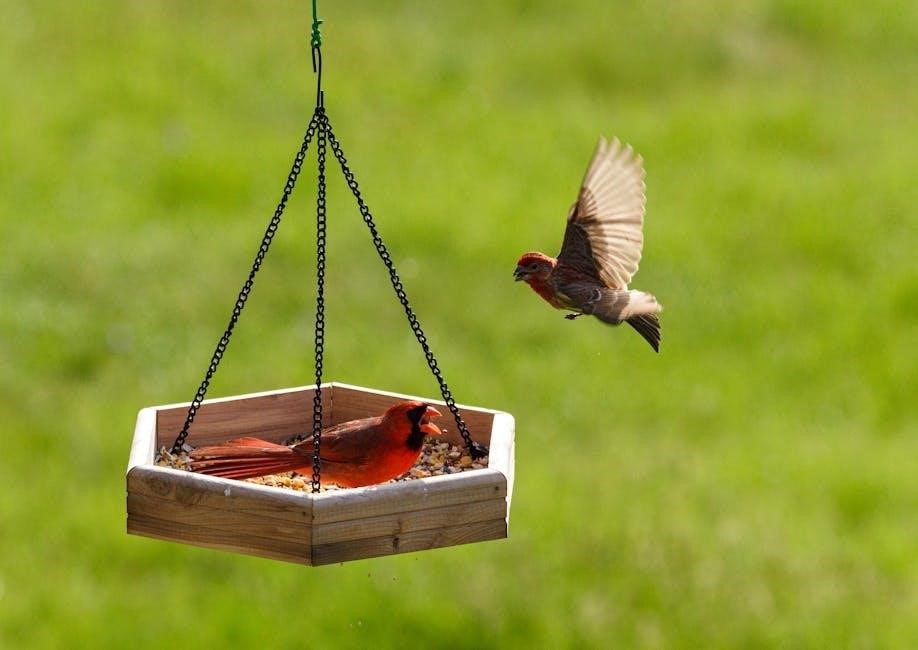
Privacy and Security Considerations
Data security and user privacy are paramount with smart bird feeders, as they collect images and potentially location data; understand the manufacturer’s policies.
Data Security and User Privacy
Smart bird feeders, while offering exciting features, inherently raise concerns about data security and user privacy. These devices capture images and videos of your backyard, potentially including identifiable features of your property and even passersby. It’s crucial to understand what data the feeder collects, how it’s stored, and with whom it might be shared.
Review the manufacturer’s privacy policy carefully before purchasing. Look for details on data encryption, storage location, and whether your data is used for purposes beyond bird identification. Consider if the feeder offers options to anonymize data or opt-out of data sharing. Strong passwords and regular firmware updates are essential to protect against unauthorized access and potential security vulnerabilities. Be mindful of the potential for hacking and ensure your home network is secure.
Potential Security Vulnerabilities
Smart bird feeders, being connected devices, are susceptible to various security vulnerabilities. Like any IoT device, they can be potential entry points for hackers seeking access to your home network. Weak passwords, outdated firmware, and unencrypted data transmission are common weaknesses exploited by malicious actors.
A compromised feeder could allow unauthorized access to your Wi-Fi network, potentially exposing other smart home devices. Furthermore, the live video feed could be hijacked, compromising your privacy. Regularly updating the feeder’s firmware is crucial to patch security flaws. Employing a strong, unique password for both the feeder and your Wi-Fi network is paramount. Consider network segmentation to isolate the feeder from other sensitive devices.
The Future of Smart Bird Feeders
Emerging technologies promise enhanced AI, improved camera systems, and seamless integration with smart home ecosystems, offering richer birdwatching experiences and data insights.
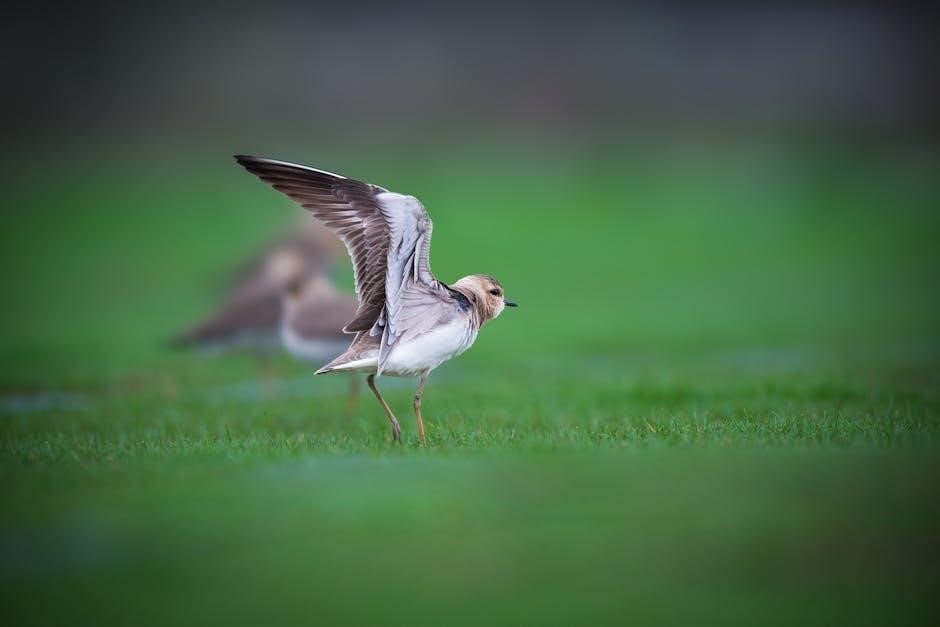
Emerging Technologies and Innovations
The evolution of smart bird feeders isn’t slowing down. Future iterations will likely feature even more sophisticated AI algorithms, capable of identifying a wider range of bird species with greater accuracy, potentially even recognizing individual birds based on unique markings. Advancements in camera technology, including higher resolution sensors and improved low-light performance, will deliver clearer, more detailed images and videos.
We can anticipate feeders incorporating audio recording to identify birds by their songs and calls, adding another layer of data. Furthermore, expect improved battery life through more efficient solar panels and energy management systems. Integration with machine learning could allow feeders to predict bird visiting patterns, optimizing feeding schedules and providing more relevant notifications to users. These innovations promise a truly immersive and insightful birdwatching experience.
Integration with Other Smart Home Devices
The true potential of smart bird feeders unfolds when integrated into existing smart home ecosystems. Imagine receiving alerts on your smart display when a rare bird visits, or triggering your outdoor lights to illuminate the feeder at dusk for better viewing and recording. Voice assistant compatibility – like Alexa or Google Assistant – will allow users to ask about recent bird visitors or view live feeds hands-free.
Data collected by the feeder could even contribute to broader environmental monitoring initiatives, sharing bird sighting information with citizen science projects. Future integrations might include linking with smart garden systems to adjust watering schedules based on bird activity, creating a harmonious backyard environment. This interconnectedness elevates the bird feeder beyond a simple hobby device.