
GE Self-Cleaning Oven Owners Manual: A Comprehensive Guide
This manual provides detailed instructions for safely and effectively utilizing your GE oven’s self-cleaning features, alongside alternative cleaning methods and maintenance tips.
Understanding Your GE Self-Cleaning Oven
Your GE oven’s self-cleaning function utilizes extremely high temperatures – exceeding 880°F – to burn away food residue into ash. This process eliminates the need for harsh chemical cleaners and vigorous scrubbing. However, understanding the different cleaning cycles, like standard and steam clean, is crucial for optimal performance. Newer models boast enhanced features, while older ones rely on traditional methods. Familiarizing yourself with your specific oven series and its capabilities will ensure safe and effective operation, maximizing its lifespan and maintaining peak cooking performance.
Safety Precautions Before Self-Cleaning
Prior to initiating the self-clean cycle, several safety measures are essential. Remove oven racks, baking stones, and any aluminum foil, as high temperatures can warp or damage them. Wipe up any large spills or loose debris to minimize smoke and odor. Ensure adequate ventilation by opening kitchen windows. Keep children and pets away from the oven during operation due to the extreme heat. Never attempt to open the oven door during the cycle, as it will be locked automatically for safety.
Types of GE Self-Cleaning Cycles

GE ovens offer various self-cleaning options to suit different needs. The Standard Self-Clean cycle utilizes high heat for a thorough cleaning, typically lasting several hours. The Light Self-Clean (or EcoClean) cycle provides a shorter, less intense clean for lighter soil. Some models feature a Steam Clean option, utilizing moisture to loosen residue for easier wiping – a quicker alternative for minor messes. Understanding these cycles allows you to choose the most appropriate method for your oven’s condition.
Standard Self-Clean Cycle
The Standard Self-Clean cycle is GE’s most powerful cleaning option. It heats the oven to extremely high temperatures – exceeding 880°F – to burn off food residue, transforming it into ash. This cycle typically runs for 3 to 5 hours, depending on the soil level selected. During operation, the oven door automatically locks for safety, and significant heat and potential odors are normal. Always ensure proper ventilation when utilizing this intensive cleaning method.

Light Self-Clean Cycle (or EcoClean)
GE’s Light Self-Clean, sometimes referred to as EcoClean, offers a gentler cleaning approach. This cycle operates at lower temperatures than the standard self-clean, typically around 450°F, making it suitable for lighter spills and everyday cleaning. It generally takes around 2 to 3 hours to complete. While producing less odor and heat, it may require multiple cycles for heavily soiled ovens. It’s an energy-efficient alternative for routine maintenance.
Steam Clean Option (if applicable)
Certain GE oven models feature a Steam Clean option, providing a quick and convenient cleaning method. This cycle utilizes steam to loosen light soils and food residue, typically completing in around 30 minutes. Simply pour water into the designated reservoir, activate the cycle, and wipe away loosened debris afterward. Steam Clean is ideal for quick touch-ups between deeper self-cleaning cycles, offering an eco-friendly and less intense cleaning solution.
Preparing Your Oven for Self-Cleaning
Proper preparation is crucial for a successful self-cleaning cycle. Begin by removing all oven racks, baking stones, and any other accessories from the oven cavity. Thoroughly wipe up any loose debris, large spills, or food particles to minimize smoke and odor during the process. Ensure adequate ventilation by opening kitchen windows or turning on the exhaust fan. This step helps dissipate any fumes produced during the high-temperature cleaning cycle.
Removing Oven Racks and Accessories
Before initiating the self-clean cycle, carefully remove all oven racks, broiler pans, baking stones, and temperature probes. These items can become discolored or warped at the high temperatures reached during self-cleaning. Store them in a safe location away from the oven; Refer to your oven’s specific manual for guidance on removing any specialized accessories. Do not leave anything inside the oven during the self-clean process.
Wiping Up Loose Debris and Spills
Prior to running the self-clean cycle, manually wipe up any large spills, loose food particles, or grease buildup inside the oven cavity. While the self-clean function handles baked-on residue, removing excess debris minimizes smoke and odors. A damp cloth or sponge works well for this task. Avoid using abrasive cleaners, as they can damage the oven’s interior surface. This simple step enhances cleaning efficiency.
Ensuring Proper Ventilation
Adequate ventilation is crucial during the self-cleaning cycle to dissipate heat and odors effectively. Open windows in the kitchen, or turn on the kitchen exhaust fan to improve airflow. The self-clean process generates high temperatures, potentially releasing fumes. Proper ventilation minimizes these fumes and ensures a comfortable environment. Avoid running the cycle in poorly ventilated spaces, especially for individuals sensitive to smells.
Initiating the Self-Cleaning Cycle
Before starting, ensure the oven door is fully closed and latched. Utilize the control panel to select the desired self-clean cycle – standard or light. The panel will guide you through setting the cleaning duration, if applicable. Once initiated, the control panel typically locks automatically for safety, preventing interruption during the high-temperature process. Refer to your specific model’s instructions for precise button sequences and display prompts.
Using the Control Panel
The control panel is your primary interface for initiating and managing the self-clean cycle. Locate the “Self Clean” button – it may be labeled differently on some models. Pressing this button often prompts a confirmation screen. Use the arrow keys to adjust settings like cycle length or intensity, if available. The display will clearly indicate the selected cycle and estimated completion time. Remember to consult your model’s specific diagram for button locations.
Setting the Cleaning Duration
Most GE ovens offer varying self-clean cycle durations, typically ranging from 2 to 4 hours. The appropriate duration depends on the level of soil and grime; For lightly soiled ovens, a shorter cycle may suffice. Heavily soiled ovens benefit from the extended cleaning time of a longer cycle. The control panel allows you to select the desired duration using the up and down arrow keys. Always refer to your oven’s manual for recommended settings;
Locking the Control Panel
During the self-clean cycle, the control panel automatically locks for safety reasons, preventing accidental interruption or changes to the settings. This feature ensures the high temperatures required for cleaning aren’t compromised. The display will typically indicate that the panel is locked. Do not attempt to force the controls during operation. The panel will automatically unlock once the oven has cooled sufficiently and the cycle is complete, ensuring safe access.
What to Expect During the Self-Cleaning Cycle
The self-cleaning cycle utilizes extremely high temperatures, so some smoke and odors are normal. The oven door will automatically lock for safety and remain locked until the cooling process is finished. Expect the oven to heat up significantly; avoid the area during operation. A burning smell may be present as food residue is incinerated. Proper ventilation is crucial, and it’s advisable to keep pets and sensitive individuals away from the kitchen during this process.
Oven Temperature and Smoke
During the self-clean cycle, your GE oven will reach temperatures exceeding 800°F (427°C) to burn off food residue. Some smoke is a normal byproduct of this process, particularly with heavily soiled ovens. The amount of smoke depends on the level of buildup. Ensure adequate kitchen ventilation by opening windows or using a range hood. While generally harmless, excessive smoke could indicate an issue; discontinue the cycle if it persists.
Potential Odors
A distinct odor is common during the self-clean cycle as food particles are incinerated at high temperatures. This smell isn’t typically harmful, but can be noticeable. The intensity varies based on the amount of residue and the oven’s ventilation. Some owners report a plastic-like smell, which is usually normal, but persistent or strong chemical odors warrant cycle interruption and investigation. Ensure proper ventilation to minimize odor impact.
Automatic Door Locking
For safety during the high-temperature self-clean cycle, your GE oven door automatically locks before the process begins and remains locked until cool-down is complete. Do not attempt to force the door open; this could cause damage or injury. The control panel will display a locked indicator. This feature prevents accidental contact with the extremely hot interior, ensuring user safety throughout the cleaning process.
After the Self-Cleaning Cycle is Complete

Once the self-cleaning cycle finishes, allow the oven ample time to cool down completely before unlocking the control panel and opening the door. A thin layer of ash residue will remain; wipe this away with a damp cloth. Ensure the oven is fully cooled to prevent burns. The control panel indicator will signal when the door is safe to unlock and open for post-cleaning inspection.
Allowing the Oven to Cool Down
It is crucial to allow the oven to cool down completely after the self-cleaning cycle concludes. Do not attempt to open the door or unlock the control panel until the cooling process is finished, as internal temperatures remain extremely high. This cooling period can take several hours, depending on the cycle duration. Patience is key to avoid potential burns and ensure safe operation.
Wiping Away Ash Residue

Once the oven has fully cooled, a fine layer of ash residue will remain. Dampen a soft cloth with water and carefully wipe down all interior surfaces, including the oven floor, walls, and door. Avoid abrasive cleaners, as they can damage the oven’s finish. This simple step ensures a sparkling clean oven and prepares it for your next culinary creation, maximizing its performance.
Unlocking the Control Panel
After the self-cleaning cycle completes and the oven has cooled, the control panel will remain locked for safety. To unlock it, simply press and hold the “Lock” or “Control Lock” button on the control panel for a few seconds. The display will indicate that the lock has been disengaged, restoring full functionality. This prevents accidental operation during cooling.
Troubleshooting Common Self-Cleaning Issues
Encountering problems during the self-clean cycle is possible. Common issues include error codes displayed on the control panel – consult the manual for specific meanings. If the oven fails to reach cleaning temperature, check the power supply. Excessive smoke or odor may indicate large food debris; a light cycle might be better next time.
Error Codes and Their Meanings
GE ovens utilize error codes to signal issues during self-cleaning. A common code, “F2” or similar, often indicates a door lock malfunction, preventing the cycle from starting. “F1” might suggest a temperature sensor problem. Refer to your specific model’s manual for a complete list and detailed explanations. Ignoring error codes can lead to further damage, so prompt investigation is crucial for safe operation.
Oven Not Reaching Cleaning Temperature
If your GE oven fails to reach the high temperatures needed for self-cleaning, several factors could be at play. A faulty heating element is a primary suspect, alongside issues with the oven’s temperature sensor or control board. Ensure proper voltage supply and check the thermal fuse. A prolonged preheat phase, or no heating at all, signals a need for professional repair to avoid further complications.
Excessive Smoke or Odor
During the self-clean cycle, some smoke and odor are normal, but excessive amounts indicate a problem. Large food spills, grease buildup, or accumulated residue can cause significant smoke. Ensure thorough pre-cleaning before initiating the cycle. A strong, unpleasant odor might suggest burnt wiring or component failure, requiring immediate attention and professional inspection to prevent potential hazards and ensure oven safety.
Manual Cleaning Your GE Oven (Alternative to Self-Clean)
For those preferring to avoid the self-clean cycle, manual cleaning offers a viable alternative. Utilize oven-safe cleaners specifically designed for interior surfaces, avoiding abrasive materials that could damage the enamel. A paste of baking soda and water effectively tackles grease and grime. Regular manual cleaning prevents buildup, reducing the need for harsh self-cleaning cycles and maintaining optimal oven performance.
Recommended Cleaning Products
When manually cleaning, select products designed for oven interiors. Baking soda is excellent for a natural, gentle scrub, paired with water to form a paste. Commercial oven cleaners are effective but require careful ventilation and adherence to safety instructions. Avoid abrasive cleaners like scouring powders, which can scratch the enamel surface. Always test any cleaner in an inconspicuous area first to ensure compatibility and prevent damage.
Step-by-Step Manual Cleaning Instructions
First, ensure the oven is cool. Apply your chosen cleaner, or a baking soda paste, to all interior surfaces, avoiding heating elements. Let it sit for at least 30 minutes, or longer for stubborn grime. Then, using a sponge or cloth, scrub thoroughly. Rinse repeatedly with clean water, removing all traces of cleaner. Finally, dry the oven interior with a clean cloth before resuming normal use.
Maintaining Your GE Oven for Optimal Performance
Regular upkeep extends your GE oven’s lifespan. Wipe down the interior after each use to prevent buildup. Clean the oven door, inside and out, with a glass cleaner. Periodically inspect the door seals for damage, ensuring a tight closure. Addressing minor issues promptly prevents larger, more costly repairs, and maintains consistent cooking temperatures for optimal results.
Regular Wipe-Downs
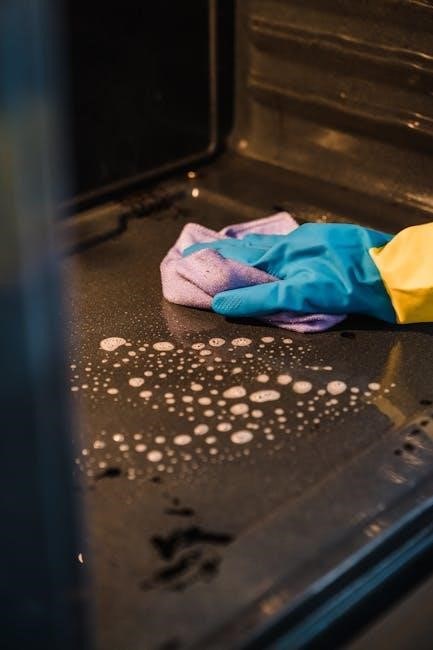
Consistent, quick wipe-downs are crucial for preventing stubborn buildup. After each use, while the oven is cool, wipe interior surfaces with a damp cloth and mild detergent. This simple habit minimizes the need for frequent self-cleaning cycles or intensive manual scrubbing. Pay attention to spills and splatters, addressing them immediately to avoid baked-on residue.
Cleaning the Oven Door
The oven door requires specific attention to maintain its appearance and functionality. Use a non-abrasive cleaner specifically designed for glass surfaces. Avoid harsh chemicals that could damage the door’s finish. For baked-on spills, a paste of baking soda and water can be effective – apply, let sit, then gently wipe clean. Regularly inspect the glass for cracks or damage, ensuring safe operation.
Checking Door Seals
Inspect the oven door seals regularly for any signs of wear, damage, or gaps. A compromised seal can lead to heat loss, impacting cooking performance and energy efficiency. Gently clean the seals with a damp cloth to remove any food particles or debris. If a seal is damaged, it should be replaced by a qualified technician to ensure proper oven operation and safety.
Understanding GE Oven Models and Self-Clean Features
GE offers a diverse range of oven series, each with varying self-clean capabilities. Entry-level models typically feature standard self-clean, while higher-end series may include options like EcoClean or steam clean. Newer GE ovens boast advanced features such as remote control via smartphone apps and enhanced temperature probes. Understanding your specific model’s features is crucial for optimal self-cleaning and overall performance.
Differences Between GE Oven Series
GE oven series vary significantly in features and price point. The entry-level models offer basic self-clean functionality, while mid-range options introduce convection cooking and more precise temperature control. Premium series, like Profile and Café, include advanced features such as no-preheat, built-in WiFi connectivity, and specialized cleaning cycles like EcoClean. These distinctions impact cleaning duration, efficiency, and overall user experience.

Specific Features of Newer GE Oven Models
Recent GE ovens boast innovative self-clean enhancements. Many now include a Steam Clean option for lighter cleaning, complementing the standard pyrolytic self-clean. Advanced models feature automatic door locking and unlocking, enhancing safety. WiFi connectivity allows remote monitoring and control of the cleaning cycle. Furthermore, some models offer guided cleaning programs and notifications via the SmartHQ app, streamlining the entire process.
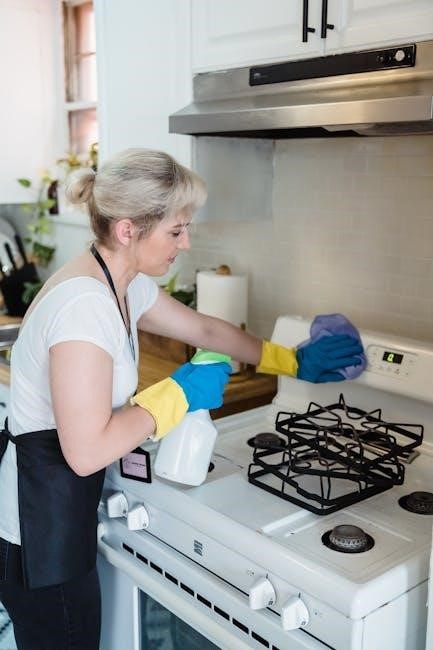
Self-Clean vs. Steam Clean: A Comparison
Self-clean utilizes high heat to burn away residue, requiring several hours and producing odors. Steam Clean, a gentler option, employs low heat and water to loosen spills for easy wiping – ideal for light cleaning. Steam Clean is faster and uses less energy, but isn’t suitable for heavily soiled ovens. Choosing depends on cleaning frequency and soil level.
Safety Tips During and After Self-Cleaning
Never interrupt the self-clean cycle; the high temperatures pose a burn risk. Ensure adequate ventilation, as fumes are released. Keep children and pets away from the oven during operation and cooling. After completion, allow sufficient cooling before touching anything inside. Be cautious of ash residue, and avoid using oven cleaners immediately post-cycle.
GE Oven Self-Clean Cycle Duration
The duration of a GE oven’s self-clean cycle varies based on the selected option and soil level. Standard cycles typically range from 2 to 4 hours, reaching temperatures around 880°F. Light or EcoClean cycles are shorter, often completing in under 2 hours. Always consult your specific model’s manual for precise timings and recommendations for optimal cleaning performance.
Resources and Support for GE Oven Owners
GE Appliances offers extensive support for oven owners through various channels. Their official website (GEAppliances.com) provides access to detailed manuals, FAQs, and troubleshooting guides. You can also connect with GE’s customer service team via phone or live chat for personalized assistance. Furthermore, GE’s online parts store allows convenient replacement of components, ensuring continued optimal oven performance.