Understanding Pointe Shoe Sizing
Pointe shoe sizing is paramount for a safe and enjoyable dance experience; a professional fitting is the crucial first step.
Finding the correct size ensures comfort‚ support‚ and injury prevention‚ making it a vital aspect of a dancer’s journey.
The Importance of a Professional Fitting
Pointe work demands precision‚ and a professional fitting is absolutely non-negotiable for every dancer embarking on this journey. A skilled fitter doesn’t just measure your foot length; they assess your arch height‚ toe shape‚ and overall foot strength. This comprehensive evaluation is critical because pointe shoes aren’t simply sized like regular shoes.
Improperly fitted shoes can lead to blisters‚ bunions‚ and even long-term injuries. A fitter will guide you through various brands and styles‚ explaining how each caters to different foot types. They’ll help you understand the nuances of box shape‚ vamp length‚ and shank strength – all elements impacting stability and comfort.
Furthermore‚ a professional can identify potential issues before they become problems‚ offering advice on padding and modifications. Don’t rely on sizing charts alone; a personalized fitting is an investment in your safety and artistic development. It’s the foundation for a successful and pain-free pointe experience.
When to Get Your First Fitting
Determining the right time for your first pointe shoe fitting is crucial‚ and it’s not solely based on age. Generally‚ dancers should have at least three years of consistent ballet training before considering pointe work. More importantly‚ they need sufficient strength in their feet and ankles to support their weight en pointe.
Your ballet teacher will assess your readiness‚ looking for proper alignment‚ turnout‚ and the ability to maintain correct technique. A fitting should occur after your teacher confirms you’re physically prepared. Don’t rush the process; premature pointe work can lead to injuries.
It’s also wise to schedule your fitting during a period when your feet aren’t swollen‚ such as in the morning or after a rest day; Be prepared to demonstrate basic pointe exercises under the fitter’s guidance. Remember‚ a fitting isn’t just about finding a size; it’s about ensuring your safety and progress.
Foot Measurements for Pointe Shoes
While pointe shoe sizing isn’t directly correlated to standard shoe sizes‚ accurate foot measurements are a vital starting point. A professional fitter will measure the length and width of your feet‚ but it’s helpful to understand the process. Length is typically measured from the heel to the longest toe‚ while width is assessed at the ball of the foot.
However‚ pointe shoe fitting goes beyond simple measurements. The fitter will also evaluate your arch height‚ the shape of your foot (Egyptian‚ Greek‚ or square)‚ and any bunions or other foot conditions. These factors significantly influence the shoe’s shape and construction needed for a proper fit.
Don’t rely on self-measurement; a trained fitter has the expertise to assess your feet comprehensively. They’ll consider how your foot interacts within the shoe and adjust the fitting accordingly. Remember‚ measurements are just a guide – the true test is how the shoe feels when you dance.
Pointe Shoe Anatomy & Terminology
Understanding pointe shoe components – the box‚ shank‚ and vamp – is essential for a successful fitting; Each element contributes to support‚ flexibility‚ and overall comfort.
Box Shape and Width Options
The pointe shoe box‚ encompassing the toes‚ comes in diverse shapes and widths‚ significantly impacting comfort and performance. Common box shapes include tapered‚ square‚ and round. A tapered box suits feet with a more defined toe shape‚ while a square box accommodates broader feet. Round boxes offer a more uniform fit‚ ideal for dancers with less distinct toe shapes.
Width options are equally crucial‚ typically ranging from narrow (AAAA) to extra wide (EEEE). Determining the correct width prevents pinching and ensures the toes lie flat within the box. A professional fitter will assess your foot’s width to recommend the most suitable option. Improper width can lead to blisters‚ corns‚ and even long-term foot problems.
Furthermore‚ some brands offer variations within these categories‚ such as a modified tapered box or a wider square box. Experimentation‚ guided by a knowledgeable fitter‚ is often necessary to discover the optimal box shape and width for your unique foot anatomy and dancing style.
Shank Strength and Flexibility
The shank‚ the inner sole of a pointe shoe‚ provides crucial support and dictates the shoe’s flexibility. Shank strength varies from very soft to extremely hard‚ catering to different dancer strengths and preferences. Softer shanks allow for greater articulation and a more fluid feel‚ ideal for dancers with strong feet and ankles.
Harder shanks offer increased support‚ beneficial for beginners or dancers needing extra stability. The level of flexibility also impacts how easily a dancer can roll through to pointe. A fitter will assess your ankle strength and technique to recommend an appropriate shank strength.
Some shanks are full-length‚ providing consistent support‚ while others are three-quarter or graduated‚ offering more flexibility in the arch. Understanding these variations is key to finding a shank that complements your foot and allows for safe and efficient dancing.
Vamp Length Considerations
Vamp length‚ the distance from the toe platform to the heel of the shoe‚ significantly impacts balance and foot comfort. A vamp that is too long can feel cumbersome and restrict pointe work‚ while a vamp that is too short can cause excessive pressure on the toes.
Generally‚ dancers with longer toes require a longer vamp to provide adequate space and prevent cramping. Conversely‚ dancers with shorter toes may benefit from a shorter vamp for a more secure fit. A professional fitter will carefully measure your foot and assess your toe length to determine the optimal vamp length.
The vamp also influences the aesthetic line of the foot. Finding the right length ensures a beautiful and elongated appearance while maintaining comfort and stability. Proper vamp length is crucial for preventing blisters and ensuring a secure pointe.
Sizing by Brand: A Comparative Guide
Pointe shoe sizing varies considerably between brands like Bloch‚ Grishko‚ and Freed; a comparative guide is essential for dancers seeking the perfect fit and optimal performance.
Bloch Pointe Shoe Sizing
Bloch offers a diverse range of pointe shoes‚ and understanding their sizing nuances is key. Their sizing tends to run slightly narrower than some other brands‚ so dancers with wider feet may need to consider a wider width option. Bloch provides detailed sizing charts on their website‚ but a professional fitting remains invaluable.
When selecting Bloch pointe shoes‚ consider the specific model. Different styles‚ such as the Serenade or Balance‚ may have slightly different fits. Bloch also offers helpful resources‚ including tips for sewing ribbons and elastics‚ ensuring a secure and comfortable fit.
Many dancers find Bloch shoes break in relatively quickly‚ but proper care and maintenance are still essential. Utilizing Bloch’s online store locator can help you find a retailer offering professional fittings‚ maximizing your chances of finding the ideal shoe. Remember to try on shoes at the end of the day when your feet are slightly swollen.
Grishko Pointe Shoe Sizing
Grishko pointe shoes are renowned for their quality and durability‚ but achieving the correct fit requires careful consideration. Grishko sizing generally runs true to size‚ though individual feet vary. Many dancers appreciate the consistent sizing across different Grishko models‚ simplifying the selection process.
A key feature of Grishko shoes is their ability to mold to the dancer’s foot over time. However‚ this doesn’t negate the need for a precise initial fitting. Professional fitters can assess your foot shape and recommend the appropriate size and shank strength.
Grishko offers a variety of widths to accommodate different foot types. It’s crucial to ensure the shoe isn’t too tight‚ which can cause blisters‚ or too loose‚ compromising support. Proper ribbon and elastic placement‚ as recommended by Grishko‚ further enhances the fit and performance. Finding a retailer with experienced fitters is highly recommended.
Freed Pointe Shoe Sizing
Freed pointe shoes are celebrated for their traditional craftsmanship and close fit‚ often favored by dancers seeking a direct connection to the floor. Freed sizing tends to run slightly smaller compared to some other brands‚ so a professional fitting is absolutely essential.
Freed offers a comprehensive range of widths‚ catering to diverse foot shapes. It’s common for dancers to go up a half size in Freed shoes‚ but this is highly individual. The vamp length is also a critical factor‚ influencing balance and support.
Freed shoes are known for their strong platform and supportive box‚ making them suitable for dancers with stronger feet. However‚ a proper fitting ensures the shoe doesn’t constrict the toes. Experienced fitters can guide you through the nuances of Freed sizing‚ considering your foot type and dance technique.
Fitting for Different Foot Types
Pointe shoe fitting is an art‚ adapting to unique foot shapes like Egyptian‚ Greek‚ and square feet.
Understanding your foot type is key to finding the perfect shoe.
Egyptian Foot Type & Shoe Recommendations
Egyptian feet are characterized by a prominent ball and toes‚ with a tapered shape towards the heel. This foot type often benefits from pointe shoes with a wider platform to accommodate the forefoot and provide stability.
Look for shoes with a broader box‚ such as those offered by Bloch or Grishko‚ in wider widths (typically B or C). A tapered heel can help prevent the foot from sliding forward. Vamp length is also crucial; a longer vamp can offer more support to the toes‚ while a shorter vamp might be preferable for dancers with particularly long toes.
Consider shoes with a U-shaped or square box‚ as these shapes tend to distribute pressure more evenly across the forefoot. Experiment with different shank strengths to find the right balance between support and flexibility. A softer shank may be suitable for dancers with strong feet‚ while a stronger shank provides more stability for those still developing strength; Remember‚ a professional fitting is essential to determine the best shoe for your individual foot.
Greek Foot Type & Shoe Recommendations
Greek feet feature the second toe as the longest‚ creating a unique challenge when fitting pointe shoes. Dancers with this foot type often require shoes that accommodate the longer second toe without causing discomfort or pressure.
Shoes with a slightly tapered box‚ like those from Freed‚ can be a good starting point. Look for models with a generous toe box to avoid cramping. A moderate vamp length is generally recommended‚ providing sufficient support without restricting movement. It’s vital to ensure the box doesn’t pinch or rub against the second toe.
Consider shoes with a wider platform to distribute weight evenly. Experiment with different box shapes – a slightly rounded or square box might offer more space. Pay close attention to how the shoe feels during relevé; any pressure points should be addressed. A professional fitting is crucial to identify the best shoe and modifications for a Greek foot type.
Square Foot Type & Shoe Recommendations
Square feet are characterized by toes that are roughly the same length‚ creating a broad forefoot. Dancers with this foot type often need pointe shoes that provide ample space and support across the entire toe box‚ preventing pinching and discomfort.
Shoes with a wider‚ square-shaped box‚ such as certain Bloch models‚ are generally well-suited for square feet. Avoid overly tapered boxes‚ as they can constrict the toes. A slightly longer vamp length can offer additional support and stability. It’s essential to ensure the shoe doesn’t feel too tight or restrictive across the widest part of the foot.
Consider shoes with a broader platform to distribute weight evenly. Experiment with different padding options to enhance comfort and prevent rubbing. A professional fitting is paramount to identify the ideal shoe and modifications for a square foot‚ ensuring a secure and comfortable fit.
Pointe Shoe Maintenance & Care
Maintaining pointe shoes extends their lifespan and ensures optimal performance; breaking them in correctly and knowing when to replace them is crucial for dancers.
Breaking in New Pointe Shoes
Breaking in new pointe shoes is a gradual process‚ essential for comfort and preventing blisters. Initially‚ avoid prolonged wear‚ focusing on short periods to allow the shoes to mold to your feet. Tips include carefully hammering the box to soften it‚ and bending the shank to increase flexibility.
Using a shoe stretcher can gently widen the box‚ while applying gel pads or spacers can alleviate pressure points. Sew ribbons and elastics securely‚ ensuring a snug but not overly tight fit. Consistent‚ short practice sessions are more effective than long‚ strenuous ones during the break-in phase.
Consider using a pointe shoe softening product to aid in the process‚ but always follow the manufacturer’s instructions. Remember‚ each pair of shoes is unique‚ and the break-in time will vary depending on the brand‚ style‚ and your individual foot shape. Patience is key to achieving a comfortable and supportive fit!
Extending Shoe Lifespan with Proper Care
Proper care significantly extends the lifespan of your pointe shoes‚ maximizing their value and performance. After each use‚ allow your shoes to air dry completely‚ away from direct heat‚ to prevent mildew and deterioration. Using a shoe bag helps protect them during transport and storage.
Regularly check ribbons and elastics for wear and tear‚ replacing them as needed to maintain support. Darning the inside of the shoes can reinforce stress points and prevent holes. Consider using shoe stiffeners to prolong shank life‚ but be mindful of maintaining flexibility.
Avoid walking around on the platform‚ as this accelerates wear. Rotate between multiple pairs of shoes to allow each pair to fully dry and recover its shape. Consistent maintenance‚ even simple steps‚ will ensure your pointe shoes remain supportive and comfortable for longer.
Knowing When to Replace Your Pointe Shoes
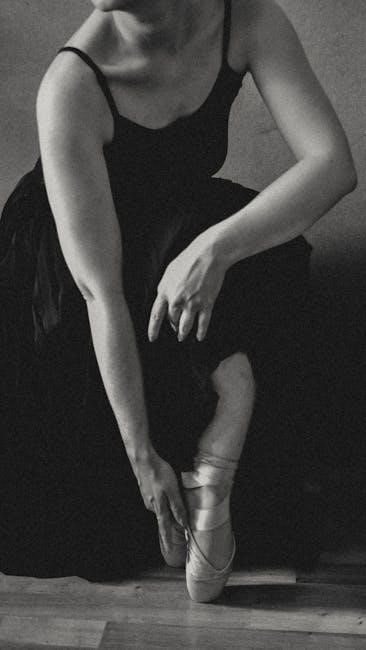
Determining when to replace your pointe shoes is crucial for safety and performance. A key indicator is a loss of support – if you feel your foot sinking into the box or lack the necessary stability‚ it’s time for a new pair. Regularly inspect the shank for cracks or breaks; a compromised shank offers insufficient support.
Pay attention to the platform; excessive chipping or softening indicates wear. Also‚ check the vamp for stretching or deformation‚ as this affects the shoe’s fit and support. Don’t wait until the shoes completely fall apart; proactive replacement prevents potential injuries.
Listen to your body! Increased fatigue or discomfort while dancing can signal that your shoes are no longer providing adequate support. Remember‚ pointe shoes are tools‚ and like any tool‚ they have a limited lifespan.
Ribbon and Elastic Application
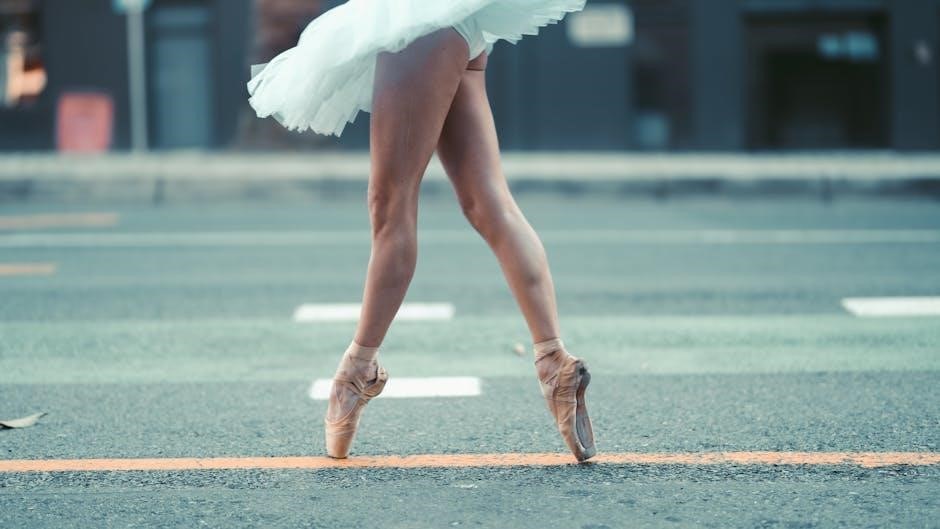
Ribbon and elastic placement significantly impact support and comfort. Correct application techniques‚ tailored to individual needs‚ are essential for a secure and personalized fit.
Correct Ribbon Placement Techniques
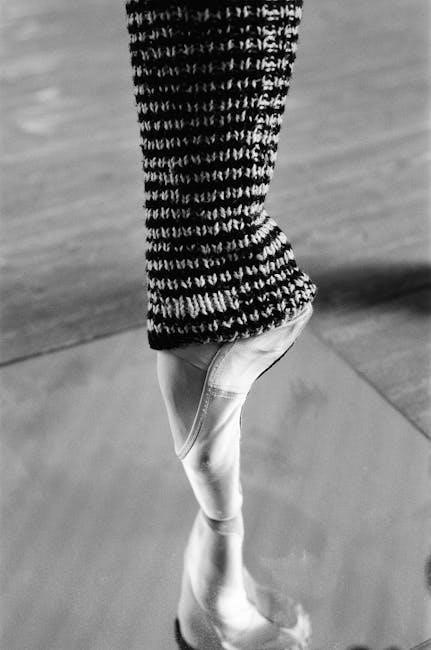
Ribbon placement is a highly individualized process‚ but some core principles apply. Begin by securing the ribbons to the platform of the pointe shoe‚ ensuring they lie flat and are evenly spaced. The placement affects how the shoe supports the foot and ankle.
Traditionally‚ ribbons are sewn on with an ‘X’ shape‚ providing maximum stability. The tails of the ribbons should extend up the ankle‚ and their length is crucial – too short restricts movement‚ while too long creates bulk. A common starting point is to measure from the vamp to slightly above the ankle bone.
Experimentation is key! Dancers often adjust ribbon placement to address specific needs‚ such as extra support for a weak ankle or a more secure feeling during turns. Consider angling the ribbons slightly to customize the fit. Secure stitching is vital to prevent ribbons from unraveling during dance.
Elastic Considerations for Support
Elastic‚ often used in conjunction with ribbons‚ provides additional ankle support and helps maintain a secure fit within the pointe shoe. It’s particularly beneficial for dancers with weaker ankles or those new to pointe work. Placement varies based on individual needs and foot shape.
A common method involves sewing elastic across the heel‚ creating a snug fit and preventing the foot from sliding forward. Some dancers prefer a single elastic band‚ while others opt for a criss-cross configuration for enhanced stability. The tension of the elastic is also crucial; too tight restricts movement‚ while too loose offers insufficient support.
Consider the type of elastic – thicker bands provide more support‚ while thinner ones offer greater flexibility. Experiment with different placements and tensions to find what works best for your foot. Remember‚ elastic is a supplemental aid and shouldn’t replace proper foot and ankle strength training.