
Breg Boot Instructions: A Comprehensive Guide
Navigating recovery with a Breg walking boot requires understanding proper fit, application, and care. This guide details each step, ensuring optimal healing and comfort.
Understanding Your Breg Walking Boot
Breg walking boots are orthopedic devices designed to provide support and protection to your foot and ankle during recovery from injury or surgery. These boots immobilize the affected area, promoting healing while allowing for a degree of mobility. Different models, like the Vectra Premium, Vectra Air Basic, and SoftGait, cater to varying needs and levels of support.
Key features include aluminum uprights for stability, breathable Airmesh liners for comfort, and adjustable straps for a customized fit. Understanding these components and how they work together is crucial for effective use. Proper application and maintenance, as detailed in this guide, will maximize the boot’s benefits and contribute to a successful recovery process.
Types of Breg Boots Available
Breg offers a range of walking boots designed to accommodate diverse patient needs and recovery stages. The Vectra Premium is their most advanced, featuring non-pneumatic support, malleable aluminum uprights, and breathable Airmesh for maximum comfort. The Vectra Air Basic provides reliable support with a focus on essential functionality.
For those seeking a comfortable gait during recovery, the SoftGait Walker Boot is an excellent choice, available in both tall and short designs. These boots come in various sizes (XS, S, M, L, XL) to ensure a precise fit. Selecting the appropriate model, based on your healthcare provider’s recommendation, is vital for optimal healing and mobility.
Sizing Your Breg Boot
Accurate sizing is crucial for a comfortable and effective recovery experience with your Breg walking boot. Determining the correct size relies heavily on correlating your regular shoe size with the boot’s specific sizing chart. BraceDirect.com provides a helpful resource for this process.
Generally, sizes range from XS (Men’s 2-4, Women’s 3.5-5.5) to XL (Men’s 12.5-17, Women’s 9.5-13). Vectra Air Basic sizing charts also offer guidance based on shoe size, categorizing measurements for men and women. Always consult the product-specific chart for detailed measurements and ensure a secure, supportive fit.

Using the Breg Sizing Chart
The Breg sizing chart is your primary tool for finding the perfect fit. Locate the chart specific to the model of boot you have – Vectra Premium, Vectra Air Basic, or SoftGait – as sizing can vary.
Charts typically list shoe sizes corresponding to boot sizes (XS, S, M, L, XL). Carefully measure your foot length and compare it to the chart’s measurements. Pay attention to both men’s and women’s conversions, as they differ. If your measurement falls between sizes, it’s generally recommended to choose the larger size for optimal comfort and support.
Converting Shoe Size to Boot Size
Directly translating your regular shoe size to a Breg boot size isn’t always straightforward. While charts provide a starting point, individual feet and boot models necessitate careful consideration.
For example, an adult men’s shoe size 4-7 might correspond to a Small (S) boot, while sizes 7.5-10.5 could indicate a Medium (M). Women’s sizes 6-8 often align with a Medium as well. However, the Vectra Air Basic chart shows XS for shoe sizes under 2.5 for men and 3.5 for women. Always prioritize the specific chart for your boot model and consider foot length measurements for the most accurate fit.
Preparing to Apply the Breg Boot
Before applying your Breg boot, ensure a smooth and comfortable process. Begin by sitting comfortably with your affected leg extended. Wear a sock – a thin to medium thickness is ideal – to minimize friction and enhance comfort within the boot.
Inspect your skin for any open wounds or areas of sensitivity; If present, cover them with appropriate padding to prevent irritation. Gather all boot components: the shell, liner (Airmesh), and straps. Ensure the straps are free of debris and are easily adjustable. A clear workspace will also aid in proper application.
Step-by-Step Application Instructions
Begin by gently inserting your foot, with the sock on, into the Airmesh liner. Ensure your heel is fully seated at the back of the boot. Carefully slide your foot into the boot shell, confirming a snug but not overly tight fit.
Next, position your foot for optimal support. The boot should comfortably accommodate the natural contours of your foot and ankle. Now, prepare to secure the straps, starting with the forefoot strap, followed by the instep and calf straps. Initial strap tightening should be moderate – adjustments will follow.
Positioning Your Foot in the Boot
Carefully slide your foot, while wearing a sock, into the breathable Airmesh liner of the Breg boot. Ensure your heel is fully seated against the heel counter for optimal support and to prevent slippage during ambulation.
Confirm your foot is positioned correctly within the boot shell, allowing for a comfortable and secure fit. The boot should gently cradle the natural arch of your foot, avoiding any immediate pressure points. Proper positioning is crucial for maintaining a normal gait and promoting effective healing throughout your recovery process.
Securing the Straps – Initial Fitting
Begin with the lower straps, applying a snug but not overly tight fit across the instep of your foot. Work your way upwards, securing the remaining straps – typically around the forefoot and calf – ensuring even distribution of pressure.
Avoid excessive tightness initially; the goal is a secure hold without restricting circulation. The high-quality straps are often trimmable for customization. Check for any immediate pressure points or discomfort. A proper initial fitting is vital for comfort and effective support during the early stages of recovery.
Adjusting the Boot for Optimal Comfort
Achieving a comfortable fit is crucial for successful recovery. Begin by assessing strap tightness – they should be secure, but not constricting circulation. Tighten or loosen straps incrementally to eliminate pressure points, particularly around the ankle and heel.
Pay attention to any areas of rubbing or discomfort. Consider adding padding if needed. The malleable aluminum uprights and breathable Airmesh liner contribute to overall comfort, but adjustments are often necessary. Regularly reassess the fit, especially during the initial days of use, to ensure continued optimal support.
Tightening and Loosening Straps
Proper strap adjustment is key to a secure and comfortable fit. Start with the forefoot strap, ensuring a snug but not overly tight fit. Proceed to the calf straps, tightening them evenly to provide support without restricting circulation. Adjust incrementally – small changes can make a significant difference.
To loosen, gently release the Velcro closures. To tighten, pull the straps firmly, ensuring they adhere securely. High-quality straps can be trimmed for customization. Regularly check strap tension, as it may change throughout the day with activity and swelling.
Addressing Pressure Points
If you experience discomfort or pressure points while wearing your Breg boot, immediate attention is crucial. First, slightly loosen the straps in the affected area. Inspect the inside of the boot for any foreign objects or irregularities in the Airmesh liner. Adding additional padding – such as a gel insert or foam pad – can help alleviate pressure.
Ensure socks are smooth and free of wrinkles. If pressure persists, consult your healthcare provider. Ignoring pressure points can lead to skin irritation or breakdown. The malleable aluminum uprights and customizable straps allow for personalized adjustments.
Walking with Your Breg Boot
Initially, walking with a Breg boot may feel awkward; take small, deliberate steps. Focus on maintaining a normal gait, avoiding limping or favoring the injured leg. The boot’s design, like the SoftGait Walker, aims to promote a natural walking motion. Gradually increase your walking distance as tolerated, listening to your body’s signals.
Ensure the boot remains securely fastened throughout activity. Avoid uneven surfaces initially. Proper weight-bearing, as directed by your healthcare provider, is essential for recovery. Remember, the Vectra Premium offers support for a comfortable and confident stride.
Initial Walking Steps
Begin with short walks indoors, focusing on balance and stability. Expect a slightly altered gait initially, as your body adjusts to the boot’s support and rigidity. Take small, controlled steps, and avoid rushing the process. Prioritize a heel-to-toe walking pattern, mimicking your natural stride as much as possible.
Pay attention to any discomfort or instability. If you experience pain, stop and reassess the boot’s fit or consult your healthcare provider. The Vectra Air Basic, or similar models, are designed to aid this transition. Gradually increase distance as confidence grows, always prioritizing safety.
Maintaining a Normal Gait
As you gain confidence, concentrate on restoring your natural walking pattern. Avoid a shuffling gait or excessive limping, which can strain other muscles. Engage your core and maintain good posture to promote balance and efficient movement. The SoftGait Walker Boot is designed to facilitate a more natural stride during recovery.
Focus on equal weight distribution between legs, and strive for a smooth, fluid motion. Regularly assess your gait in a mirror to identify and correct any deviations. Remember, consistency is key to regaining a normal walking style, and proper boot fit is crucial for success.
Boot Maintenance and Care
Regular cleaning is essential for hygiene and longevity. Wipe down the Breg boot’s shell and Airmesh liner with a damp cloth and mild soap. Avoid harsh chemicals or abrasive cleaners that could damage the materials. Allow the boot to air dry completely before use, preventing moisture buildup and potential skin irritation.
Periodically inspect the boot for wear and tear, paying close attention to the straps, uprights, and sole. Check for cracks, fraying, or loose components. Replace worn parts promptly to maintain optimal support and safety. Proper maintenance ensures your boot provides consistent comfort throughout recovery.
Cleaning Your Breg Boot
Maintaining cleanliness is crucial for both hygiene and extending the life of your Breg walking boot. Begin by removing the Airmesh liner if it’s detachable and wash it gently by hand with mild soap and lukewarm water. For the boot’s shell, use a damp cloth with a diluted mild detergent.
Avoid harsh chemicals, bleach, or abrasive cleaners as these can damage the materials. Thoroughly wipe down all surfaces, ensuring no soap residue remains. Allow both the shell and liner to air dry completely before reassembling and using the boot. This prevents bacterial growth and discomfort.
Inspecting for Wear and Tear
Regular inspection of your Breg boot is vital for continued support and safety. Carefully examine the aluminum uprights for any bends, cracks, or signs of weakening. Check the Airmesh liner for rips, tears, or excessive wear that could compromise comfort and hygiene.
Inspect the straps, ensuring they remain secure and haven’t become frayed or damaged. Pay attention to the boot’s shell for cracks or structural issues. If any significant wear and tear is detected, discontinue use and consult your healthcare provider for a replacement.
Troubleshooting Common Issues
Addressing issues promptly ensures continued comfort and effective healing. Boot slippage can occur; ensure straps are adequately tightened, and consider thicker socks. Skin irritation may arise from friction – wear moisture-wicking socks and adjust strap tension to alleviate pressure points.
If pain persists or worsens, discontinue use and consult your healthcare provider. Regularly check the boot’s components for damage. A properly fitted and maintained boot minimizes these issues, but proactive troubleshooting is key to a successful recovery process.
Boot Slippage
Experiencing boot slippage can compromise stability and recovery. First, meticulously re-tighten all straps, focusing on the forefoot and calf regions. Ensure the foot is positioned fully within the boot’s shell. Consider adding an insole or wearing thicker socks to take up any excess volume and create a snugger fit.
If slippage persists despite these adjustments, double-check the boot size against your measurements. A boot that’s too large will inevitably slip. Contact your healthcare provider if you’re unable to resolve the issue, as proper fit is crucial.
Skin Irritation

Skin irritation within the boot can occur due to friction or pressure. Initially, wear thin socks to minimize rubbing. Inspect your skin regularly for redness or blisters, especially around bony prominences. If irritation develops, discontinue use and consult your healthcare provider.
Ensure the Airmesh liner is clean and dry. Consider using a moisture-wicking sock to reduce perspiration. Padding can be added to pressure points, but avoid creating new areas of friction. Proper boot fit is paramount in preventing skin breakdown; a poorly fitted boot exacerbates irritation.
Understanding Boot Components
Breg walking boots are engineered with specific components for optimal support and comfort. Key features include durable aluminum uprights, providing stability to the lower leg and foot. The Airmesh liner offers breathability, minimizing moisture buildup and enhancing comfort during wear.
High-quality straps secure the foot and allow for customized adjustments. Understanding these components is crucial for proper application and maintenance. The shell itself provides rigid support, while the liner focuses on patient comfort. Familiarizing yourself with each part ensures effective use throughout your recovery process.
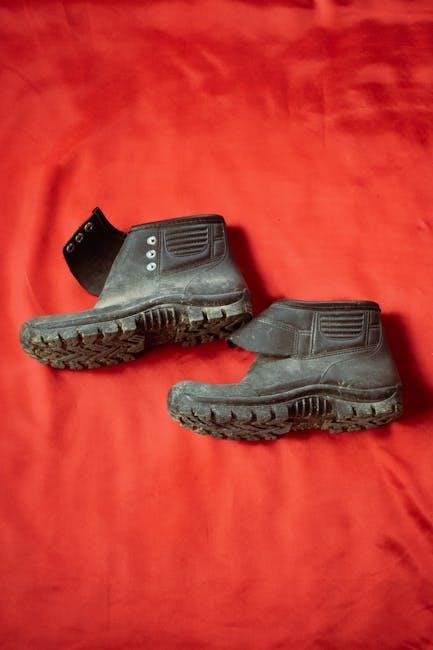
Aluminum Uprights
The aluminum uprights are a fundamental structural element of the Breg walking boot, providing essential medial and lateral stability to the lower leg and ankle. These malleable supports are designed to restrict unwanted motion during the healing process, promoting proper alignment and reducing the risk of re-injury.
Their lightweight yet durable construction ensures both comfort and effective immobilization. The Vectra Premium model specifically features these uprights, contributing to its advanced support capabilities. Properly functioning uprights are vital for maintaining the boot’s integrity and supporting your recovery.
Airmesh Liner
Breg walking boots, particularly the Vectra Premium, incorporate an Airmesh liner for enhanced comfort and breathability. This specialized fabric wicks away moisture, minimizing skin irritation and promoting a healthier environment within the boot. The open-weave design allows for optimal airflow, reducing perspiration and discomfort during extended wear.
The Airmesh liner is also removable and washable, contributing to improved hygiene. Maintaining a clean liner is crucial for preventing bacterial growth and ensuring a comfortable recovery experience. This feature significantly improves patient compliance and overall satisfaction with the Breg boot system.
Specific Models: Vectra Premium
The Vectra Premium stands as Breg’s most advanced non-pneumatic walker boot, prioritizing both support and comfort. Featuring malleable aluminum uprights, it offers robust stabilization for lower leg injuries while allowing for a degree of personalized adjustment. Its breathable Airmesh liner enhances airflow, minimizing moisture and maximizing comfort during wear.
High-quality straps, customizable through trimming, ensure a secure and precise fit. This model is ideal for individuals requiring substantial support during recovery from foot or ankle injuries, post-surgery, or ligament damage. The Vectra Premium balances durability with user-friendly features.
Specific Models: Vectra Air Basic
The Vectra Air Basic provides a reliable and durable walking boot solution for various foot and ankle conditions. This model utilizes a flat innersole design, effectively preventing dorsiflexion of the foot – a crucial feature for certain injuries. Constructed with strong aluminum shell materials, it offers substantial support and stability throughout the recovery process.
Sizing options range from XS to XL, accommodating both men’s and women’s shoe sizes (up to size 17 for men and 13 for women). The Vectra Air Basic is a cost-effective choice, delivering essential support without compromising on quality or functionality.
Specific Models: SoftGait Walker Boot
The SoftGait Walker Boot is engineered to facilitate a natural gait and a comfortable recovery experience for patients; Available in both tall and short designs, it caters to diverse injury needs and physician preferences. This boot comes in a wide range of sizes – XS, S, M, L, and XL – ensuring a precise fit for various foot sizes.
Sizing is conveniently based on standard shoe sizes, with XS fitting men’s sizes 2-4 and women’s 3.5-5.5. The SoftGait prioritizes patient comfort and promotes efficient healing during ambulation.
FSA/HSA Eligibility
Breg walking boots, including popular models like the Vectra Premium, are generally eligible for reimbursement with a Flexible Spending Account (FSA) or Health Savings Account (HSA). This means you can utilize pre-tax dollars to cover the cost of your essential recovery support.
To ensure eligibility, it’s recommended to retain your receipt and verify coverage details with your specific FSA/HSA plan administrator. These accounts are designed to help offset medical expenses, making recovery more affordable and accessible.
Recovery Tips While Using a Breg Boot
Maximize your healing process while utilizing a Breg walking boot by incorporating several key strategies. Begin with short, controlled walks, gradually increasing duration as comfort allows. Elevate your leg whenever possible to reduce swelling and promote circulation.
Consistent adherence to your healthcare provider’s weight-bearing instructions is crucial. Maintain a balanced diet rich in nutrients to support tissue repair. Listen to your body and avoid overexertion; rest is paramount for optimal recovery.
When to Contact Your Healthcare Provider
Promptly reach out to your healthcare provider if you experience escalating pain, numbness, or tingling in your foot or leg while using the Breg boot. Also, consult them if you notice signs of skin irritation or breakdown under the boot’s edges, despite proper fitting and padding.
Any indication of infection, such as increased redness, swelling, or drainage, requires immediate medical attention. Report any instability or difficulty walking, or if the boot feels significantly loose or restrictive. Don’t hesitate to seek guidance for any concerning symptoms.
Customization Options for Breg Boots
Breg boots offer personalization for enhanced comfort and fit. Straps can be trimmed to eliminate excess length, improving mobility and reducing bulk. Adding additional padding – available separately – can alleviate pressure points and prevent skin irritation, particularly around bony prominences.
Consider using gel pads or foam inserts within the boot liner for extra cushioning. Ensure any modifications don’t compromise the boot’s structural integrity or support. Always consult your healthcare provider before making significant alterations to ensure continued effective immobilization and recovery.
Trimming Straps
Excess strap length can interfere with movement and comfort. To trim, carefully mark the desired length, ensuring enough remains for secure fastening. Use sharp scissors to create a clean cut, preventing fraying. Avoid cutting straps too short, as re-attachment isn’t possible.
The Vectra Premium’s high-quality straps are designed for customization. Always trim straps evenly across both sides of the boot for balanced support. Regularly check trimmed straps for wear and tear, replacing them if necessary to maintain optimal immobilization during your recovery process.
Adding Additional Padding
For enhanced comfort, especially around bony prominences, consider adding padding. Use medical-grade foam or gel pads, readily available at pharmacies. Apply padding directly to the Airmesh liner, avoiding placement under straps where it could compromise fit.
Ensure padding doesn’t create pressure points or restrict circulation. Regularly inspect the skin under padding for irritation. The Vectra Premium and SoftGait boots benefit from customized padding, improving tolerance during extended wear. Prioritize comfort without sacrificing the boot’s supportive function throughout your recovery.