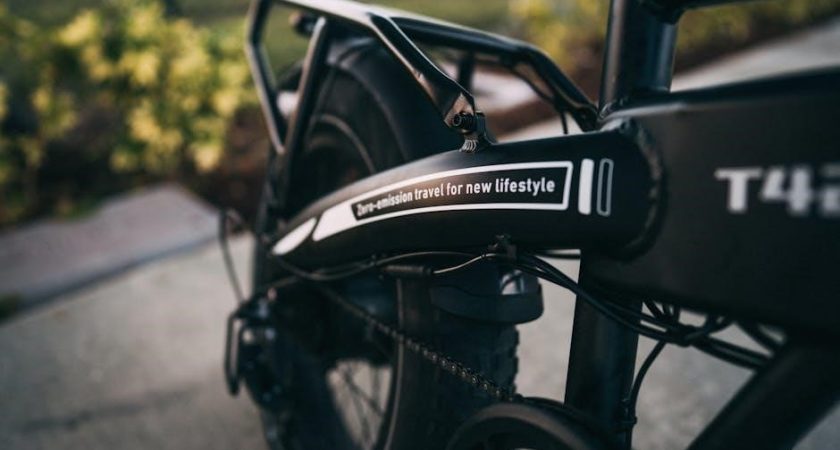
Electric bikes, while reliable, can experience issues; common problems include flat tires, motor malfunctions, and battery/charging difficulties, requiring diligent troubleshooting and repair.
Electric bikes are gaining immense popularity as an eco-friendly and efficient mode of transportation, but like any complex machine, they aren’t immune to problems. Understanding potential issues is crucial for every e-bike owner, ensuring safe and enjoyable rides. Common concerns range from simple mechanical faults like flat tires and chain issues to more complex electrical problems affecting the battery, motor, or controller.
Addressing these issues promptly can prevent minor inconveniences from escalating into costly repairs. This guide aims to equip you with the knowledge to diagnose and resolve many common e-bike problems yourself, saving you time and money. However, remember that some repairs require professional expertise, and attempting complex fixes without proper knowledge can be dangerous. Prioritizing safety and seeking professional help when needed is always recommended.
Common E-Bike Problems Overview
Electric bike owners frequently encounter a range of issues. Mechanical problems include flat tires – easily addressed with puncture repair kits – and chain-related concerns like slack, skipping, or rust, often requiring cleaning and lubrication. Brake malfunctions, manifesting as weak braking or unusual noises, demand immediate attention for safety.
Electrical issues are also prevalent. Battery problems encompass reduced range and charging difficulties, potentially stemming from BMS errors or low-quality batteries. Motor issues can involve the motor not engaging, cutting out, or producing strange sounds. Display and controller problems include failure to power on or inaccurate readings. Finally, loose wiring and corroded connectors can disrupt electrical connections, impacting performance.
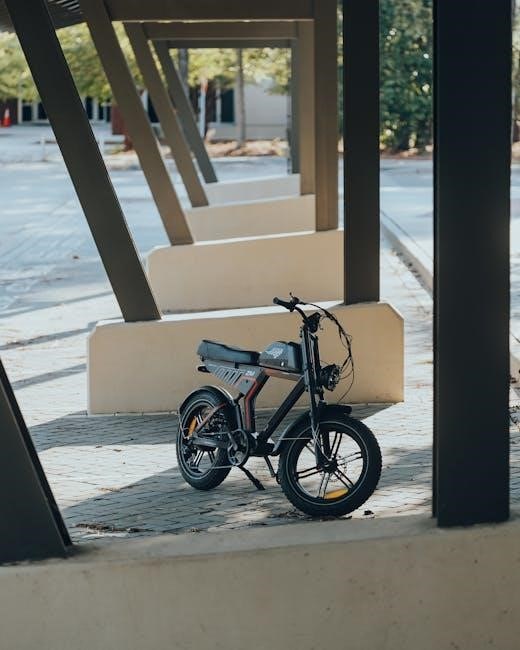
Battery Troubleshooting
E-bike battery issues often involve reduced range, charging problems, or BMS errors; identifying fake or low-quality batteries is crucial for optimal performance and safety.
Reduced Battery Range
A noticeable decrease in your electric bike’s range is a frequent concern. Several factors contribute to this issue. Firstly, battery age and degradation play a significant role; lithium-ion batteries lose capacity over time and charge cycles. Secondly, riding conditions heavily influence range – hills, headwinds, and rough terrain demand more power.
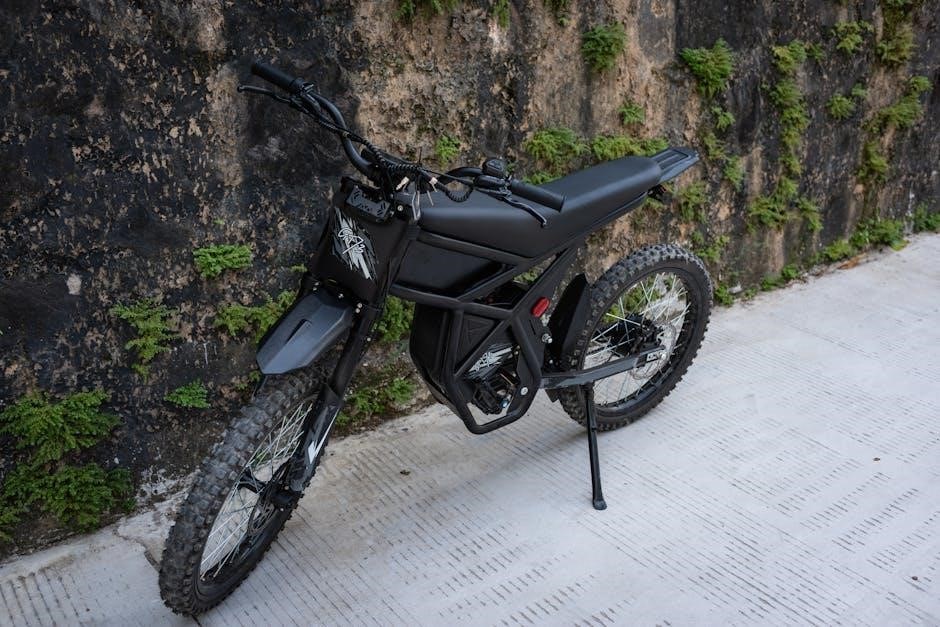
Rider weight and assist level also matter; higher assist levels consume energy faster. Ensure proper tire inflation, as low pressure increases rolling resistance. Cold weather can temporarily reduce battery performance. Finally, check for loose connections or corrosion on the battery terminals, as these can impede efficient power delivery. Regularly cleaning the battery contacts can also help maintain optimal performance and extend the range.
Battery Not Charging
If your e-bike battery isn’t charging, begin with the basics: verify the charger is securely connected to both the bike and a functioning power outlet. Inspect the charging cable for any visible damage, like fraying or cuts. A faulty charger is a common culprit, so testing with a known working charger is advisable.
Next, examine the battery’s charging port for debris or corrosion, cleaning it gently if necessary. A depleted battery might take longer to show initial charging signs. Ensure the battery’s temperature is within the acceptable range, as extreme temperatures can inhibit charging. If the issue persists, the Battery Management System (BMS) might be detecting an error, potentially indicating a failing battery cell. Consider professional diagnosis if these steps don’t resolve the problem.
Battery Management System (BMS) Errors
The Battery Management System (BMS) safeguards your e-bike battery, and errors indicate potential problems. These errors often manifest as warning lights on the display or a complete charging failure. Common BMS errors relate to over-voltage, under-voltage, over-current, or temperature issues. A faulty BMS can prevent charging or discharging, even if the battery cells are healthy.
Attempting to reset the BMS by disconnecting and reconnecting the battery can sometimes resolve minor glitches. However, persistent errors usually signify an underlying battery cell imbalance or a failing BMS component. Diagnosing BMS errors often requires specialized equipment and knowledge. It’s crucial to avoid attempting complex repairs yourself; instead, consult a qualified e-bike technician for a professional assessment and potential BMS replacement.
Identifying Fake or Low-Quality Batteries
The market unfortunately contains counterfeit or low-quality e-bike batteries posing significant safety risks and performance issues. These batteries often lack proper safety certifications and use inferior cells, leading to reduced range, overheating, and even fire hazards. Look for batteries from reputable brands and authorized dealers. Check for proper labeling, including voltage, capacity (Wh), and certification marks (like UL or CE).
Suspiciously low prices are a major red flag. Genuine lithium-ion batteries aren’t cheap. Inspect the battery casing for build quality – flimsy plastic or poor finishing suggests a substandard product. Verify the battery’s specifications match your e-bike’s requirements. A used e-bike purchase necessitates careful battery inspection to avoid costly replacements and potential dangers.
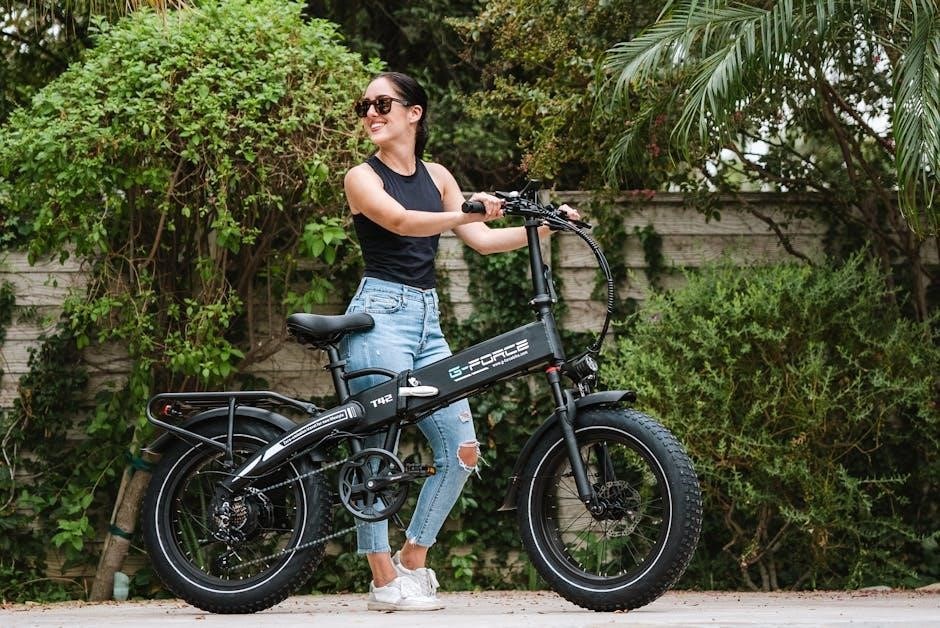
Motor Issues & Solutions
E-bike motors can fail to engage, cut out unexpectedly, produce strange noises, or overheat; diagnosing these problems requires checking connections and components carefully.
Motor Not Engaging
If your e-bike motor isn’t responding, several factors could be at play. First, meticulously check all wiring connections associated with the motor, controller, and battery – loose connections are a frequent culprit. Inspect the throttle or pedal assist sensor; a faulty sensor won’t signal the motor to activate.
The motor itself might be the issue, requiring professional diagnosis. Confirm the battery is fully charged and the power switch is correctly positioned. Also, examine the motor’s internal components for any visible damage or obstructions. A blown fuse within the controller or a malfunctioning controller can also prevent motor engagement. Don’t attempt complex repairs yourself; seek a qualified e-bike technician for intricate motor issues.
Motor Cutting Out During Use
Experiencing a motor that intermittently cuts out during riding is concerning and often points to electrical or overheating issues. Begin by inspecting the battery connection; a loose connection can cause power interruptions. Check the controller for error codes, as these provide valuable diagnostic clues. Overheating is a common cause – ensure adequate ventilation and avoid prolonged strenuous uphill climbs.
A failing battery, even if showing charge, might struggle to deliver consistent power. Examine the motor brushes (if applicable) for wear, and inspect wiring for damage or fraying. The pedal assist sensor or throttle could also be malfunctioning, sending inconsistent signals. If the problem persists, professional diagnosis is crucial to prevent further damage and ensure rider safety.
Motor Making Unusual Noises
Unusual noises emanating from the e-bike motor demand immediate attention, as they often indicate mechanical wear or impending failure. Grinding, clicking, or whining sounds are particularly concerning. First, check for any loose components or debris caught within the motor housing. A worn-out bearing is a frequent culprit, causing a grinding noise, and requires professional replacement.
Inspect the motor’s internal gears for damage or misalignment. If the noise correlates with pedaling, the issue might stem from the freewheel or cassette. A failing motor controller can also produce strange sounds. Regularly lubricating the motor’s moving parts can prevent some noises, but persistent or loud sounds necessitate a qualified technician’s assessment to avoid costly repairs or safety hazards.
Overheating Motor
An overheating motor is a serious issue that can lead to permanent damage and potentially pose a safety risk. Several factors contribute to this problem, including prolonged uphill climbs, excessive load, or insufficient ventilation. Immediately stop riding and allow the motor to cool down if you notice it becoming excessively hot to the touch.
Check for obstructions blocking the motor’s cooling vents. Ensure the motor isn’t overloaded by exceeding the e-bike’s weight capacity. A faulty temperature sensor or a failing motor controller can also cause overheating. Regularly inspect the motor’s wiring for damage and ensure proper connections. If overheating persists, consult a professional technician to diagnose and address the underlying cause, preventing further damage and ensuring safe operation.
Display & Controller Problems
Displays failing to turn on or showing incorrect data, alongside controller error codes, indicate potential electrical faults needing immediate inspection and possible repair.
Display Not Turning On
A display that refuses to illuminate is a frequent issue with electric bikes, often stemming from a few key areas. First, meticulously check all wiring connections leading to the display unit itself; loose connections are a primary culprit. Examine the connectors for any signs of corrosion, which can interrupt the electrical signal.
Next, verify the battery voltage reaching the display. A multimeter can be invaluable here to confirm sufficient power is being delivered. If the voltage is correct, the display unit itself may be faulty and require replacement. Consider if any recent events, like a crash or water exposure, could have damaged the display. Finally, consult your e-bike’s manual for specific reset procedures or troubleshooting steps related to the display, as manufacturers often include diagnostic guidance.
Incorrect Speed or Distance Readings
Inaccurate speed or distance readings on your e-bike display can be frustrating, but are often traceable to a few common causes. Tire pressure is a significant factor; underinflated tires will drastically alter the readings. Ensure your tires are inflated to the manufacturer’s recommended pressure. Next, inspect the wheel’s speed sensor – this component transmits data to the display.
Check for any obstructions or damage to the sensor or its wiring. A faulty sensor will send incorrect signals. Furthermore, verify that the wheel size setting within the display’s configuration menu matches your bike’s actual wheel size. Incorrect settings will lead to inaccurate calculations. If problems persist, a display reset or controller recalibration might be necessary, as outlined in your e-bike’s manual.
Controller Error Codes
E-bike controllers often display error codes to pinpoint specific malfunctions, acting as a diagnostic tool. These codes vary by manufacturer, so consulting your e-bike’s manual is crucial for accurate interpretation. Common codes relate to motor issues, battery problems, sensor failures, or communication errors between components.
For example, a code indicating a motor fault might suggest a wiring issue or internal motor damage. Battery-related codes often point to low voltage, overcharge, or BMS (Battery Management System) errors. Sensor codes could indicate a faulty pedal assist sensor or throttle. Document the error code and attempt a system reset. If the code reappears, professional diagnosis and repair are recommended, as attempting self-repair with limited knowledge could cause further damage.
Mechanical Issues
Mechanical problems, like flat tires, chain issues (slack, rust), and brake malfunctions, are common; regular inspection and maintenance are vital for safe e-bike operation.
Flat Tires & Puncture Repair
Dealing with flat tires is a frequent part of e-bike ownership. Identifying the cause – a puncture from debris, a faulty valve, or a pinch flat – is the first step. Carry a portable pump, tire levers, and a patch kit or spare tube on rides.
To repair a puncture, carefully remove the wheel, deflate the tire completely, and use tire levers to detach one side of the tire from the rim. Locate the puncture (often indicated by a hissing sound or water spray). If using a patch kit, roughen the area around the hole, apply glue, and firmly press the patch in place.
Alternatively, replace the inner tube entirely. Ensure the tire is free of any remaining debris before re-mounting. Carefully seat the tire back onto the rim, inflate to the recommended pressure (printed on the tire sidewall), and re-install the wheel. Regularly check tire pressure to prevent flats and ensure optimal performance.
Chain Problems (Slack, Skipping, Rust)
Chain issues significantly impact e-bike performance. Excessive slack indicates a need for adjustment, typically using the rear derailleur. Skipping gears suggest a worn chain, cassette, or derailleur; these components may require replacement. Regular cleaning and lubrication are crucial for preventing rust and maintaining smooth shifting.
To adjust chain slack, locate the derailleur adjustment screws; Tighten the screw to increase tension and loosen to decrease it. Ensure the chain moves freely without binding; For rust, apply a dedicated chain cleaner and degreaser, followed by a quality e-bike chain lubricant.
Inspect the chain regularly for wear using a chain wear indicator tool. A stretched chain accelerates wear on the cassette and chainrings, leading to costly repairs. Proactive maintenance, including cleaning, lubrication, and timely replacement, extends chain life and ensures efficient power transfer.
Brake Malfunctions (Weak Brakes, Noise)
Brake issues are critical safety concerns on e-bikes. Weak brakes necessitate immediate attention, potentially indicating worn brake pads, air in hydraulic lines, or cable stretch. Squealing or grinding noises often signal pad contamination or rotor damage. Regularly inspect brake pads for wear, replacing them when they reach the wear indicator line.
For hydraulic brakes, bleeding the system removes air bubbles and restores optimal performance. Cable-actuated brakes require cable tension adjustment. Ensure rotors are clean and free from damage. Contamination from oil or grease reduces braking effectiveness; clean rotors with isopropyl alcohol.
Always prioritize brake maintenance. Ignoring brake problems compromises safety. If unsure about performing repairs, consult a qualified e-bike mechanic. Proper brake function is paramount for safe riding and control, especially at higher speeds.
Electrical Connection Issues
Electrical problems stem from loose wiring, corroded connectors, or faulty sensors; diligent inspection and secure connections are vital for optimal e-bike function.
Loose Wiring Connections
Loose wiring is a surprisingly common culprit behind many e-bike malfunctions. Vibrations from riding, especially on rough terrain, can gradually loosen connections at the battery, motor, controller, display, and sensors. This intermittent connection can cause a range of symptoms, from the motor cutting out unexpectedly to the display failing to power on or providing inaccurate readings.
Troubleshooting involves a careful visual inspection of all wiring harnesses. Gently tug on each connector to check for play. Look for any signs of frayed wires or damaged insulation. Secure any loose connections by tightening screws or replacing connectors if necessary. A multimeter can be used to test continuity and ensure a solid electrical path. Remember to disconnect the battery before working with any electrical components for safety!
Corroded Connectors
Corrosion on electrical connectors is a frequent issue, particularly in e-bikes exposed to rain, humidity, or road salt. This buildup of oxidation hinders electrical flow, leading to performance issues like reduced power, intermittent operation, or complete failure of components. Connectors at the battery, motor, and controller are especially vulnerable.
Identifying corrosion often involves visible green or white deposits on the metal contacts. Remedying this requires disconnecting the battery and carefully cleaning the affected connectors. Use a specialized electrical contact cleaner – avoid abrasive materials that could damage the connectors. After cleaning, apply a dielectric grease to prevent future corrosion. Regularly inspecting and cleaning connectors, especially after riding in wet conditions, is crucial for maintaining a reliable e-bike.
Faulty Sensors (Pedal Assist, Throttle)
Pedal assist sensors (PAS) and throttles are vital for e-bike functionality; malfunctions can cause erratic behavior or complete failure of power delivery. A faulty PAS might not register pedaling, resulting in no motor assistance, while a defective throttle could provide inconsistent or no response. Diagnosing sensor issues often requires careful observation during operation.
Troubleshooting involves checking the sensor’s wiring for damage or loose connections. Use a multimeter to test the sensor’s output signal according to the manufacturer’s specifications. Replacement is often necessary for sensors that fail testing. Ensure the new sensor is compatible with your e-bike’s controller. Proper sensor calibration, if applicable, is essential for optimal performance and a smooth riding experience.
Legal & Safety Considerations
E-bike laws vary; inspect used models carefully for safety hazards, potential repairs, outdated tech, and ensure compliance with local regulations for responsible riding.
Local E-Bike Regulations
Understanding local e-bike regulations is crucial for safe and legal operation. Authorities are increasingly addressing issues arising from non-compliance, with some areas experiencing a rise in complaints related to e-bike and scooter usage. Regulations can vary significantly by city, county, and state, covering aspects like speed limits, where e-bikes are permitted to ride (bike lanes, roads, paths), and age restrictions for riders.
Some jurisdictions classify e-bikes into different classes based on their motor assistance and speed capabilities, each with its own set of rules. Ignoring these regulations can lead to fines or other penalties. Before riding, research the specific laws in your area to ensure you’re operating your e-bike legally and responsibly, contributing to a safer environment for everyone.
Used E-Bike Risks & Inspection
Purchasing a used electric bike can seem appealing due to potential cost savings, but it carries inherent risks. Unlike new bikes, used e-bikes may have hidden issues, leading to costly repairs, frequent battery replacements, or outdated technology. A thorough inspection is paramount before committing to a purchase.
Carefully examine the battery’s condition, checking for swelling or damage. Test the motor’s functionality and listen for unusual noises. Inspect the electrical connections for corrosion and ensure all components are securely fastened. Be wary of suspiciously low prices, as they could indicate underlying problems. Prioritize a pre-purchase inspection by a qualified e-bike mechanic to avoid unexpected expenses and ensure your safety.