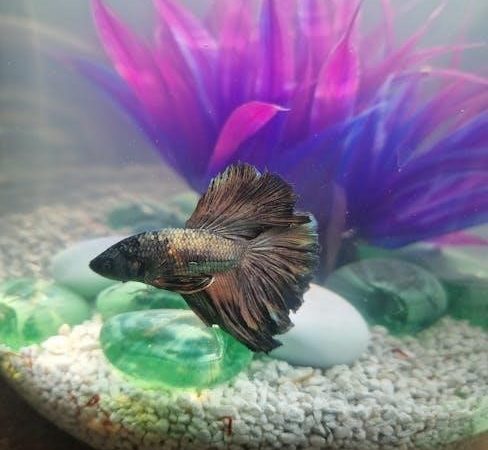
Planted Fish Tank Guide: A Comprehensive Overview (Updated 02/15/2026)
Dive into the captivating world of aquatic plants! This comprehensive guide, updated today, February 15th, 2026, explores nano tank designs and essential care tips.
Welcome to the flourishing realm of planted aquariums! These aren’t just fish tanks; they’re meticulously crafted ecosystems, blending the beauty of aquatic life with the vibrancy of live plants. A planted tank transcends a simple pet enclosure, becoming a miniature, self-sustaining garden underwater.
The appeal lies in the natural aesthetic, improved water quality, and the fascinating interplay between flora and fauna. Whether you’re a beginner or an experienced aquarist, the world of planted tanks offers endless possibilities for creativity and exploration. From low-tech, easy-to-maintain setups to high-tech, densely planted scapes, there’s a style to suit every preference and skill level. Consider artistic designs, like those highlighting shrimp coloration in nano tanks!
II. Benefits of a Planted Aquarium
Planted aquariums offer a wealth of advantages beyond aesthetic appeal. Plants act as natural filters, consuming nitrates and improving water quality, reducing the frequency of water changes. They oxygenate the water, creating a healthier environment for fish and invertebrates like shrimp – perfect tank mates!
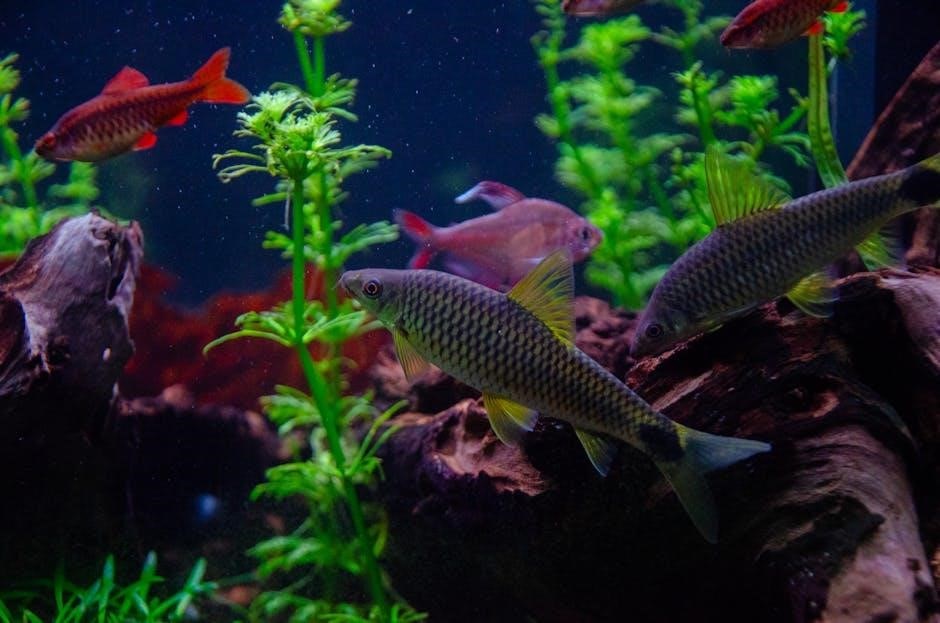
Furthermore, live plants provide shelter and breeding grounds, reducing stress and promoting natural behaviors. A thriving planted tank fosters a balanced ecosystem, minimizing algae outbreaks. The visual impact is undeniable, transforming an aquarium into a stunning, living work of art, even in smaller nano tank setups.
III. Essential Equipment for a Planted Tank
Creating a flourishing planted aquarium requires specific equipment. Beyond a standard tank and filter, consider substrate – soil or inert options – to support root development. Lighting is crucial; choose systems with appropriate intensity for your chosen plants. A CO2 system, pressurized or liquid, boosts growth significantly.
Essential testing kits monitor water parameters like pH, ammonia, nitrite, and nitrate. Heaters maintain stable temperatures. Don’t forget fertilizers – both root tabs and liquid options – to provide vital nutrients. Proper equipment ensures a healthy, vibrant ecosystem.
A. Tank Selection & Size Considerations
Choosing the right tank is fundamental. Nano tanks, like a minimalist 5-gallon setup, are perfect for shrimp and smaller plants, offering a unique aesthetic. Larger tanks provide more stability and space for diverse plant life and fish communities. Consider the dimensions – length, width, and height – to accommodate plant growth and hardscape.
Glass or acrylic are common materials; each has pros and cons. Prioritize a tank size that suits your available space and desired aquascape. Remember, larger volumes generally buffer water parameter fluctuations better.
B. Substrate Choices: Soil vs. Inert Substrates
Substrate selection profoundly impacts plant health. Planted tanks benefit from nutrient-rich substrates like aquatic soil, providing essential elements directly to roots. These soils often buffer pH, creating ideal conditions. However, they can release ammonia initially, requiring careful cycling.
Inert substrates – gravel or sand – lack inherent nutrients. They require supplementation via root tabs or liquid fertilizers. Inert substrates offer greater control over water chemistry and are simpler to set up, but demand consistent fertilization for thriving plants.
C. Lighting Systems: Types and Intensity
Proper lighting is crucial for photosynthesis and plant growth. Common options include fluorescent, LED, and metal halide fixtures. LEDs are increasingly popular due to their efficiency, longevity, and customizable spectrums.
Light intensity, measured in PAR (Photosynthetically Active Radiation), dictates which plants can thrive. Low-light plants require minimal PAR, while demanding species need high intensity. Consider plant requirements when selecting a fixture. Insufficient light leads to stunted growth and algae, while excessive light can cause burning.
IV. Choosing the Right Plants
Selecting plants is key to a thriving planted tank. Consider your experience level and tank parameters. Beginners should start with low-light, hardy species like Java Fern and Anubias, requiring minimal care.
Mid-ground plants, such as Cryptocoryne, add depth and texture. Background plants, like Vallisneria, create visual impact. Research each plant’s needs – light, CO2, nutrients – to ensure compatibility. A diverse selection enhances aesthetics and provides varied habitats for fish and shrimp, creating a balanced ecosystem.
A. Low-Light Plants for Beginners
Starting with low-light plants simplifies aquarium gardening. Java Fern and Anubias are exceptionally resilient, attaching to rocks or wood instead of needing substrate rooting. These plants tolerate a wide range of water parameters and require minimal fertilization.
Other excellent choices include Java Moss, offering shelter for shrimp, and Marimo Moss Balls, adding unique texture. These hardy species thrive even without supplemental CO2, making them ideal for beginners establishing a beautiful, low-maintenance planted tank.
B. Mid-Ground Plants for Depth and Texture
Mid-ground plants bridge the gap between the foreground and background, creating a sense of depth within your aquascape. Cryptocoryne species, with their varied leaf shapes and sizes, are popular choices, adapting well to different conditions.
Bucephalandra, known for their unique leaf textures and colors, also excel in this zone. These plants benefit from a nutrient-rich substrate and moderate lighting. Strategically placed, they enhance the visual appeal and provide shelter for smaller inhabitants, contributing to a thriving ecosystem.
C. Background Plants for Visual Impact
Establishing a lush backdrop is crucial for a visually stunning planted tank. Vallisneria species, with their ribbon-like leaves, create a natural, flowing effect and grow rapidly, providing excellent coverage. Hygrophila polysperma is another fast-growing option, offering a bushier appearance.
These plants thrive with moderate to high lighting and benefit from regular fertilization. They effectively conceal equipment and create a sense of vastness, enhancing the overall aesthetic appeal of your aquascape. Careful selection contributes to a balanced and immersive underwater environment.
V. Setting Up Your Planted Tank: Step-by-Step
Embarking on your planted tank journey requires a methodical approach. Begin with a thorough cleaning of the tank, followed by carefully layering the substrate – nutrient-rich soil capped with inert gravel. Strategically position hardscape elements like rocks and driftwood to create an appealing layout.
Next, gently plant your chosen flora, ensuring proper root placement and adequate spacing for growth. Slowly fill the tank with dechlorinated water, avoiding disturbance to the substrate. Finally, install lighting and filtration, initiating the cycling process before introducing any aquatic life.
A. Substrate Preparation and Layering
A successful planted tank begins with a well-prepared substrate. Thoroughly rinse any gravel or inert substrate to remove dust and debris. For nutrient-rich setups, layer a base of aquatic plant soil, providing essential nutrients for robust growth.
Cap the soil with a layer of inert gravel to prevent clouding and maintain water clarity. The ideal layering thickness depends on plant root structures; generally, 1-2 inches of soil capped with 2-3 inches of gravel is effective. This layered approach creates a thriving root environment.
B. Hardscape Placement: Rocks and Wood
Hardscape elements – rocks and wood – are crucial for creating a visually appealing and functional aquascape. Carefully consider placement to establish focal points and provide shelter for fish and shrimp. Arrange rocks to mimic natural formations, ensuring stability to prevent collapses.
Driftwood adds tannins, benefiting some species, and offers surfaces for biofilm growth, a natural food source. Secure hardscape items firmly into the substrate to avoid shifting. Artistic arrangements enhance shrimp color visibility within nano tank designs, creating a mesmerizing underwater world.
C. Planting Techniques: Proper Rooting and Spacing
Successful plant growth hinges on proper planting techniques. Gently tease apart roots when separating plants, promoting quicker establishment. For stem plants, bury a portion of the stem while leaving some above the substrate. Root tabs provide localized nutrients, especially beneficial for heavy feeders;
Spacing is vital; avoid overcrowding to allow for growth and prevent nutrient deficiencies. Consider plant size at maturity when arranging. Nano tank scapes require meticulous planning to maximize space and create a balanced, aesthetically pleasing environment for shrimp and fish.
VI. Water Parameters and Testing
Maintaining optimal water parameters is crucial for thriving plants and healthy inhabitants. Regularly test pH, nitrite, nitrate, and ammonia levels using test strips – aim for a pH between 6.5 and 7.5, zero ammonia and nitrite, and manageable nitrate levels (below 20ppm).
Water hardness also impacts plant growth; research the specific needs of your chosen species. Consistent monitoring allows for timely adjustments, preventing deficiencies and ensuring a stable ecosystem. Proactive testing is key to a flourishing planted aquarium.
A. pH Levels and Their Importance
pH is a critical water parameter influencing nutrient availability and plant health. Most aquatic plants thrive in a slightly acidic to neutral range, typically between 6.5 and 7.5. Fluctuations can stress plants, hindering growth and increasing susceptibility to algae.
Regular testing with a reliable kit is essential. Adjustments can be made using pH-up or pH-down products, but gradual changes are preferred to avoid shocking the ecosystem. Understanding your tap water’s pH is the first step towards creating a stable environment.
B. Nitrite, Nitrate, and Ammonia Control
Maintaining a healthy nitrogen cycle is paramount for a thriving planted tank. Ammonia and nitrite are highly toxic to both fish and plants, requiring immediate attention. Beneficial bacteria convert ammonia to nitrite, then to less harmful nitrate. Regular water testing using test strips is crucial for monitoring these levels.
Plants actively absorb nitrates, helping to control their buildup. However, excessive nitrate levels can still fuel algae growth. Consistent water changes and a well-established biological filter are key to maintaining optimal water quality.
C. Water Hardness and its Impact on Plants
Water hardness, measured by calcium and magnesium content, significantly influences plant growth. Soft water generally benefits most aquarium plants, allowing for better nutrient absorption. However, extremely soft water can lack essential minerals. Hard water can cause pH instability and hinder nutrient uptake, potentially leading to deficiencies.
Testing water hardness is vital. Adjustments can be made using buffering agents or reverse osmosis water. Different plant species have varying hardness preferences, so research is key to selecting plants that will thrive in your tank’s specific water parameters.
VII. CO2 Systems: Boosting Plant Growth
Carbon dioxide (CO2) is crucial for photosynthesis, and supplementing it can dramatically enhance plant growth. Pressurized CO2 systems offer precise control but require regulators, diffusers, and monitoring equipment – a higher initial investment with ongoing costs. They deliver consistent CO2 levels, ideal for demanding plants.
Liquid carbon supplements, like gluteraldehyde, provide an alternative, simpler approach. While less potent than pressurized systems, they’re easier to implement and maintain, suitable for low to mid-tech setups. Careful dosing is essential to avoid harming sensitive inhabitants.
A. Pressurized CO2 Systems: Pros and Cons
Pressurized CO2 systems deliver a consistent and controllable source of carbon dioxide, maximizing plant growth potential. Pros: Enhanced plant vibrancy, faster growth rates, and the ability to cultivate demanding species. Precise control allows for optimization based on plant needs and tank parameters.
Cons: Higher initial investment for equipment (tank, regulator, diffuser), ongoing costs for CO2 refills, and the need for careful monitoring of pH and CO2 levels. Incorrect setup can harm fish and invertebrates. Requires a good understanding of CO2 injection principles.
B; Liquid Carbon Supplements: An Alternative Approach
Liquid carbon supplements, like Glutaraldehyde, offer a simpler, lower-cost alternative to pressurized CO2. These solutions release carbon into the water, benefiting plant growth, though less effectively than pressurized systems. Pros: Easy to administer, no complex equipment needed, and suitable for low-tech planted tanks.
Cons: Less predictable CO2 delivery, potential for algae blooms if overdosed, and may not support the most demanding plant species. Requires careful dosing and observation of plant response. It’s a good starting point for beginners exploring CO2 supplementation.
VIII. Fertilization for Healthy Plant Growth
Healthy plant growth demands a balanced supply of both macro and micronutrients. Macronutrients – nitrogen, phosphorus, and potassium – are needed in larger quantities for overall growth. Micronutrients, like iron and trace elements, are required in smaller amounts but are equally vital for vibrant coloration and preventing deficiencies.
Fertilizers come in two primary forms: root tabs and liquid fertilizers. Root tabs deliver nutrients directly to the roots, ideal for heavy root feeders. Liquid fertilizers provide readily available nutrients throughout the water column, benefiting all plants.
A. Macro and Micro Nutrient Requirements
Plants thrive with a precise balance of macronutrients and micronutrients. Macronutrients—nitrogen (N), phosphorus (P), and potassium (K)—fuel robust growth, leaf development, and overall plant vigor. Nitrogen supports lush foliage, phosphorus aids root development and flowering, and potassium enhances disease resistance.
Micronutrients, though needed in smaller doses, are equally crucial. Iron (Fe) is vital for chlorophyll production, while trace elements like manganese, boron, and zinc play roles in various enzymatic processes. Deficiencies manifest as yellowing leaves or stunted growth, highlighting the importance of a complete fertilizer.
B. Root Tabs vs. Liquid Fertilizers
Choosing between root tabs and liquid fertilizers depends on your plant’s needs and setup. Root tabs deliver nutrients directly to the roots, ideal for heavy root feeders like swords and cryptocorynes. They offer a slow-release formula, minimizing algae blooms and providing sustained nourishment.
Liquid fertilizers, however, provide readily available nutrients for both root absorption and foliar uptake. They’re excellent for fast-growing stem plants and addressing immediate deficiencies. Regular dosing is required, and careful monitoring prevents over-fertilization, which can trigger algae outbreaks.
IX. Fish and Shrimp Compatibility
Creating a harmonious community is vital in a planted tank. Peaceful tank mates are crucial; avoid aggressive or large fish that may harass shrimp or uproot plants. Consider species like tetras, rasboras, and corydoras catfish, known for their gentle nature.
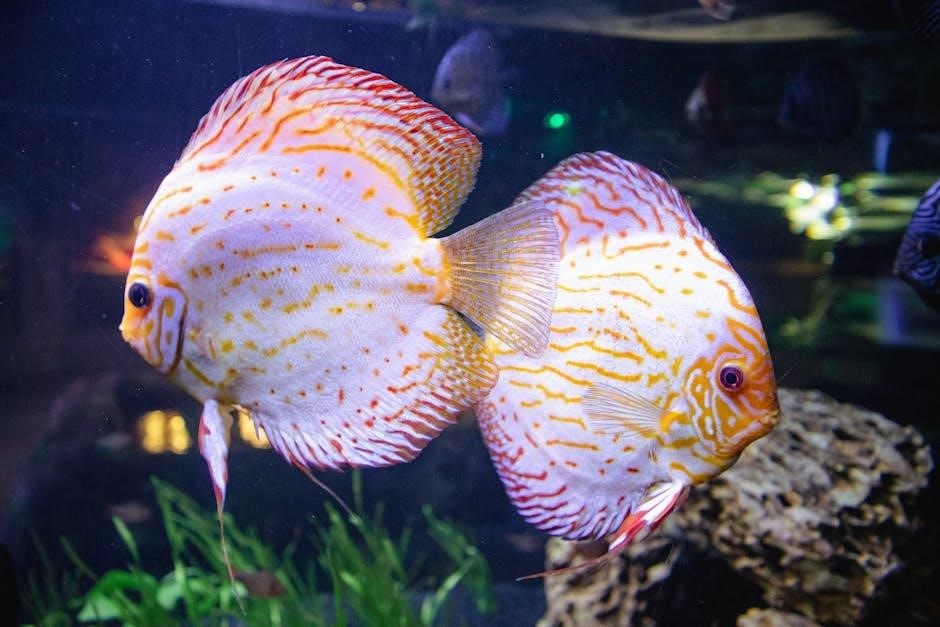
Shrimp and planted tanks are a perfect pairing! They act as natural algae eaters and contribute to a clean ecosystem. However, protect them from shrimp-eating fish. Guppies, while popular, can sometimes nip at baby shrimp. Careful selection ensures a thriving, balanced aquarium.
A. Peaceful Tank Mates for Planted Tanks
Selecting compatible fish is paramount for a flourishing planted aquarium. Prioritize species known for their calm demeanor and non-destructive behaviors. Excellent choices include various tetra species – like Neon or Cardinal Tetras – and small Rasboras, offering vibrant colors without disturbing plants.
Corydoras catfish are ideal bottom-dwellers, gently sifting through the substrate for food without uprooting vegetation. Avoid larger cichlids or boisterous fish that may stress shrimp or damage delicate plant life. Research each species thoroughly before introduction!
B. Shrimp and Planted Tanks: A Perfect Combination
Shrimp and planted tanks create a symbiotic relationship, offering mutual benefits. Shrimp, like Cherry Shrimp or Amano Shrimp, are excellent algae eaters, keeping plants pristine. They also consume decaying plant matter, contributing to a cleaner substrate.
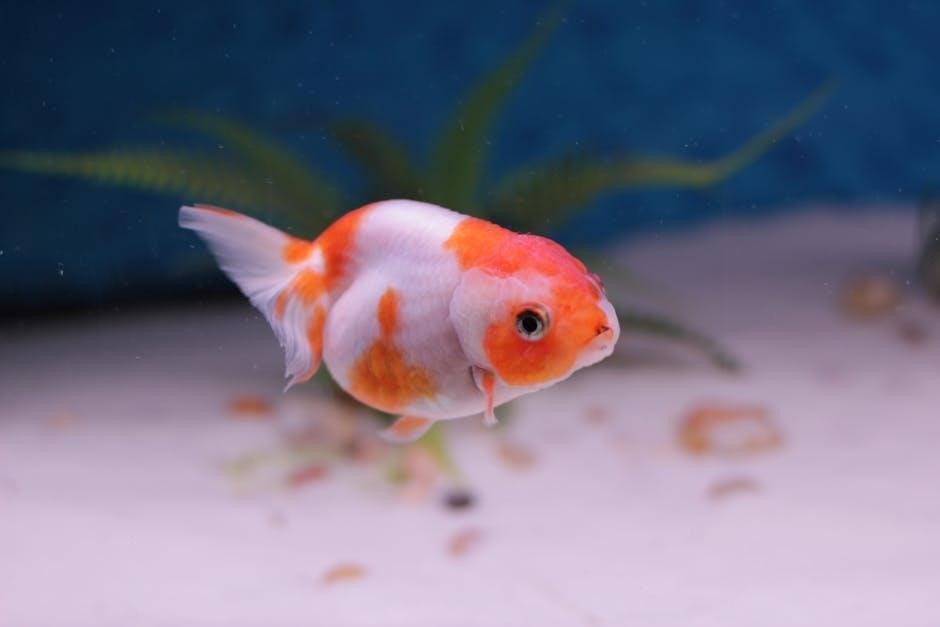
Plants provide shelter and a sense of security for shrimp, especially crucial during molting. Lush vegetation offers breeding grounds and a constant food source – biofilm. Nano tanks are particularly well-suited for shrimp, showcasing their vibrant colors against a planted backdrop.
C. Avoiding Fish That Eat Plants
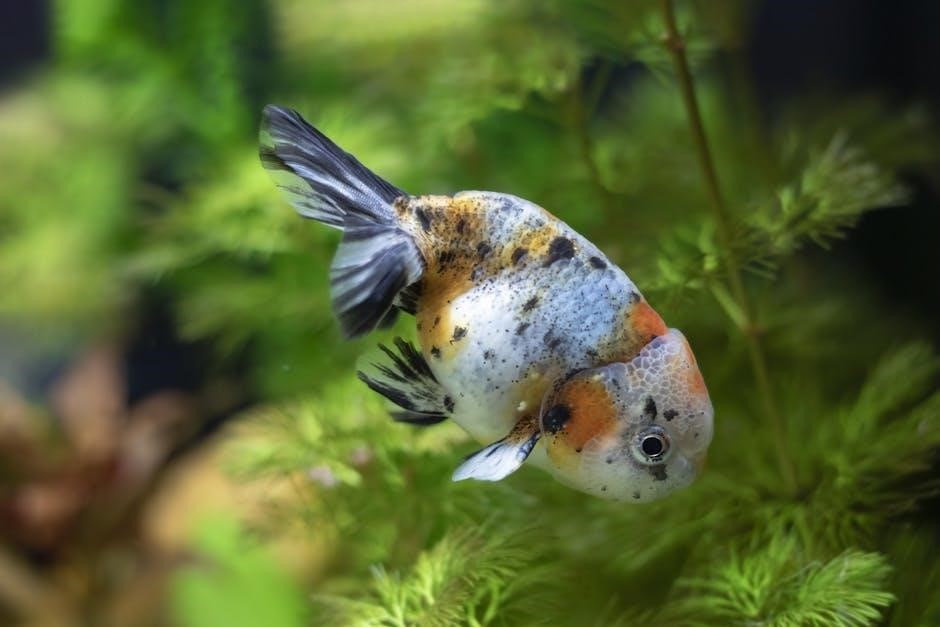
Maintaining a thriving planted tank requires careful fish selection. Certain species are notorious for their herbivorous tendencies, potentially decimating your aquatic garden. Goldfish, Silver Dollars, and some Cichlids are known plant-eaters, often uprooting or consuming delicate foliage.
Opt for peaceful community fish that won’t disturb your plants. Tetras, Rasboras, and Corydoras catfish are generally safe choices. Observe fish behavior before introducing them, and provide ample alternative food sources to discourage plant snacking. A balanced ecosystem minimizes the temptation for plant consumption.
X. Tank Maintenance and Routine
Consistent maintenance is crucial for a flourishing planted aquarium. Regular water changes – typically 25-50% weekly – replenish essential nutrients and remove accumulated waste. Vacuum the substrate during water changes to eliminate detritus and prevent algae growth.
Prune plants regularly to maintain desired shapes and encourage bushier growth; propagation allows for expansion. Implement algae control strategies, including appropriate lighting duration and nutrient balance. A consistent routine ensures a healthy, vibrant ecosystem for both plants and inhabitants.
A. Regular Water Changes and Vacuuming
Consistent water changes are the cornerstone of a healthy planted tank. Aim for 25-50% water replacement weekly, using dechlorinated water matched to the tank’s temperature. This replenishes vital minerals and removes nitrates, preventing algae blooms.
Simultaneously, vacuum the substrate to remove accumulated detritus, uneaten food, and fish waste. This prevents the buildup of harmful toxins and maintains a clean environment for root development. A gravel vacuum is an essential tool for this routine task, ensuring optimal plant health.
B. Plant Trimming and Propagation
Regular plant trimming isn’t just for aesthetics; it’s vital for health! Prune overgrown plants to maintain desired shapes and encourage bushier growth. Remove any decaying or yellowing leaves promptly to prevent nutrient imbalances.
Don’t discard those trimmings! Many aquatic plants are easily propagated. Simply replant stem cuttings or divide rhizomes to create new plants, expanding your aquascape and saving money. Propagation fosters a thriving, self-sustaining ecosystem within your planted aquarium.
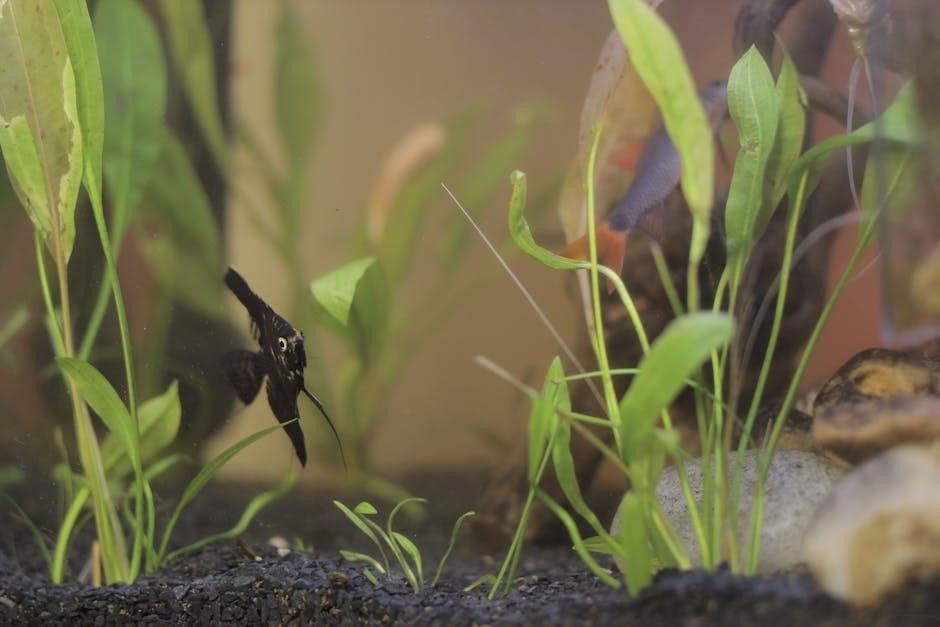
C. Algae Control Strategies
Algae blooms are a common challenge, but manageable with proactive strategies. Maintaining balanced water parameters – pH, nitrite, and nitrate levels – is crucial. Consistent water changes and proper lighting duration prevent excessive nutrient buildup fueling algae growth.
Introduce algae-eating inhabitants! Shrimp and certain fish species effectively graze on algae. Consider incorporating these beneficial tank mates. Regularly vacuum the substrate to remove detritus, another food source for algae. Addressing algae promptly prevents widespread outbreaks and maintains a pristine aquascape.
XI. Troubleshooting Common Planted Tank Issues
Planted tanks, while beautiful, can encounter challenges. “Plant melting,” often due to acclimation stress or nutrient deficiencies, requires careful observation and adjustments to fertilization. Identifying deficiency symptoms – yellowing leaves, stunted growth – guides targeted nutrient supplementation.
Algae blooms are frequent issues. Determining the algae type is key to effective treatment. Addressing the root cause – excess nutrients, imbalanced lighting – is vital. Consistent maintenance, water testing, and prompt intervention prevent minor problems from escalating into major setbacks.
A. Plant Melting and Deficiency Symptoms
“Plant melting” – the disintegration of leaves – is common during initial setup. This often stems from the plant adjusting to a new environment, changes in water parameters, or potential damage during transport. However, persistent melting signals underlying issues.
Nutrient deficiencies manifest visually. Yellowing leaves (chlorosis) can indicate nitrogen, iron, or potassium shortages. Stunted growth suggests a lack of macronutrients. Identifying these symptoms allows for targeted fertilization, using root tabs or liquid fertilizers, to restore plant health and vibrant coloration.
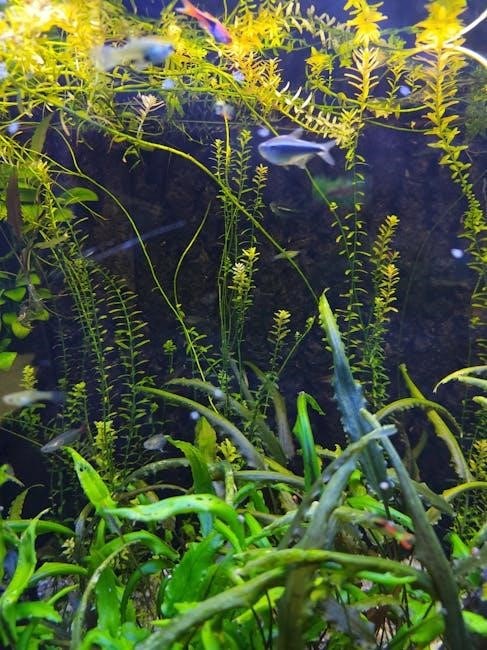
B. Algae Blooms: Identification and Treatment
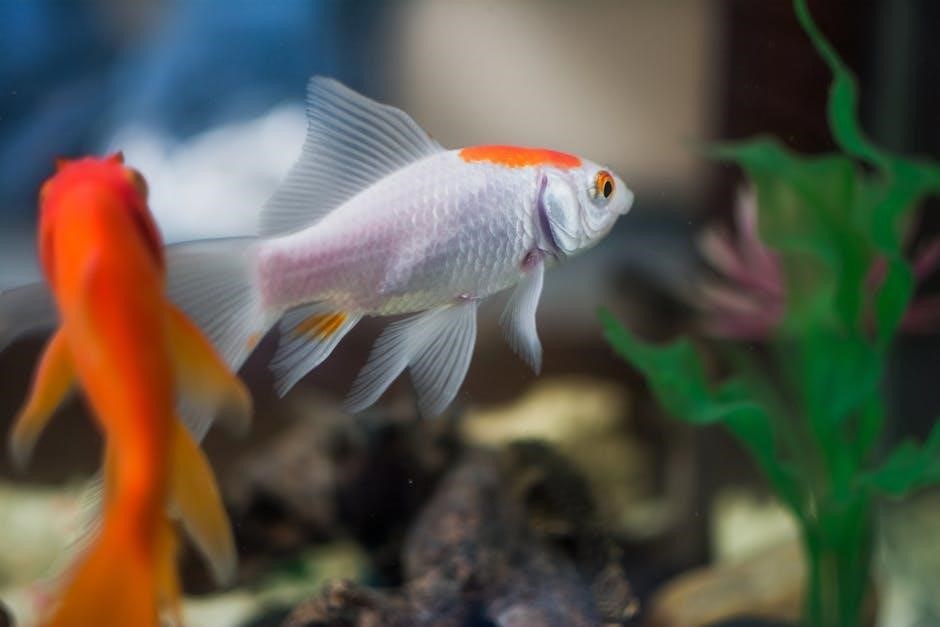
Algae blooms are a frequent challenge in planted tanks, often signaling an imbalance. Green water indicates suspended algae, while hair algae forms filamentous strands. Brown algae (diatoms) typically appears in new tanks. Black beard algae is a particularly stubborn nuisance.
Treatment involves addressing the root cause. Reduce light intensity and duration, improve water circulation, and ensure proper nutrient balance. Manual removal, alongside introducing algae-eating shrimp or snails, can help control outbreaks. Consistent maintenance is key to preventing recurrence.
XII. Design Ideas and Inspiration
Unleash your creativity with stunning planted tank designs! Explore the minimalist beauty of nano tank scapes, perfect for showcasing vibrant shrimp and delicate plants. The classic Iwagumi style utilizes carefully placed rocks to create a serene, natural landscape;
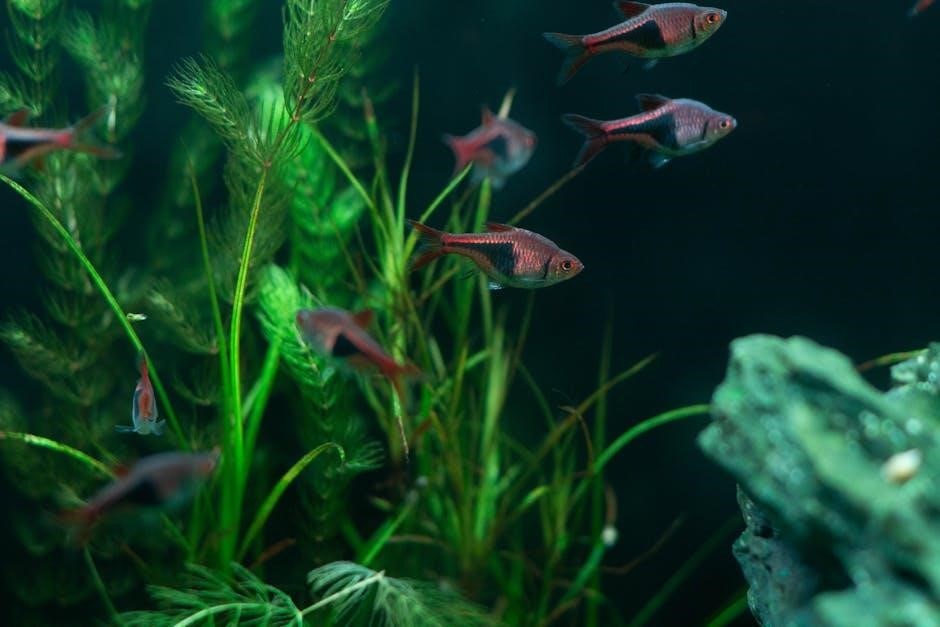
For a lush, colorful display, consider a Dutch style planted aquarium, densely populated with a variety of stem plants. Artistic expression is limitless; personalize your tank with unique hardscape arrangements and plant combinations. Inspiration abounds online – let your imagination flourish!
A. Nano Tank Planted Scapes
Nano tanks offer a captivating microcosm of the underwater world. These smaller aquariums, often 5 gallons or less, are ideal for showcasing delicate plants and colorful shrimp. A minimalist approach, focusing on a few key plants and hardscape elements, can create a stunning visual impact.
Consider using dwarf varieties of popular plants like Java Moss or Anubias. Strategic placement of rocks and wood adds depth and texture. Nano tanks are perfect for beginners, offering a manageable and rewarding introduction to the art of planted aquariums.
B. Iwagumi Style Planted Tanks
Iwagumi layouts, originating from Japanese aquascaping, emphasize the beauty of natural rock formations. This style typically features a carefully arranged cluster of stones – often odd numbers – as the focal point, surrounded by a carpet of low-growing plants like Hemianthus callitrichoides (‘HC Cuba’).
The goal is to evoke a sense of serene, mountainous landscapes. Achieving a convincing Iwagumi requires patience and attention to detail. Open space and a minimalist plant palette are crucial. This style demands precise planning and a dedication to replicating natural aesthetics.
C. Dutch Style Planted Aquariums
Dutch aquascapes are renowned for their lush, garden-like appearance, prioritizing plant density and variety over hardscape. Unlike Iwagumi, rocks and wood are minimized, allowing the plants to take center stage. These tanks showcase a vibrant tapestry of colors, textures, and growth forms, arranged in “streets” or terraces.
Careful plant selection and pruning are essential to maintain the desired aesthetic. Dutch tanks often feature a diverse range of stem plants, rosette plants, and carpeting species. Achieving a balanced and visually appealing Dutch layout requires a strong understanding of plant growth habits.