
Bike Tire Width Guide: A Comprehensive Overview (Updated 02/15/2026)

Navigating the world of bicycle tires requires understanding width, as it profoundly impacts performance, comfort, and grip across various terrains and riding styles.
This guide details crucial aspects, from deciphering tire markings to selecting the optimal width for road, mountain, and gravel biking, considering rim compatibility and pressure.
Understanding Tire Size Markings

Decoding tire size markings is fundamental to selecting the correct replacements or upgrades for your bicycle. These markings aren’t standardized globally, leading to multiple systems. Commonly, you’ll encounter ETRTO (European Tyre and Rim Technical Organisation) sizing, inch measurements, and sometimes a combination of both.
The ETRTO system, like 25-622, provides the most precise information. The first number (25) represents the tire width in millimeters, while the second (622) denotes the bead seat diameter of the rim in millimeters. Inch measurements, such as 26 x 2.125, indicate the approximate tire diameter and width. However, these can be less accurate due to variations in manufacturing.
Understanding these markings ensures compatibility between your tires, rims, and intended riding conditions. Always prioritize ETRTO sizing for accurate fitment, especially when purchasing online or from diverse sources. Correct interpretation prevents issues like improper seating, blowouts, or compromised handling.
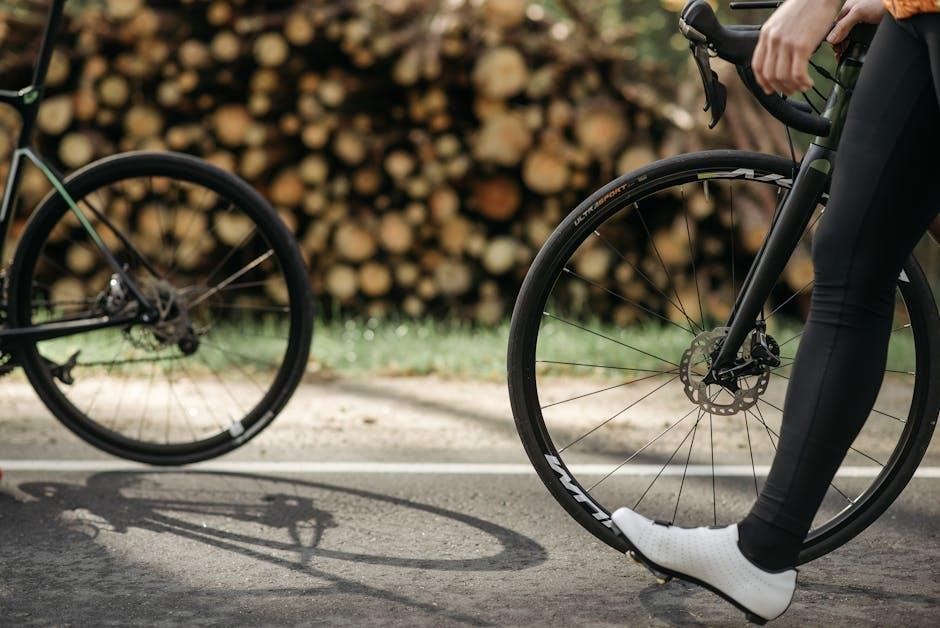
ETRTO vs. Inch Measurements
Comparing ETRTO and inch measurements reveals key differences in precision and reliability. Inch measurements, while historically common, are often approximations. A tire labeled “26 x 2.125” doesn’t guarantee exact width or diameter; manufacturing tolerances introduce variations. This can lead to fitment issues with modern rims designed for tighter specifications.
ETRTO, conversely, offers a standardized and precise system. The “25-622” designation, for example, explicitly states a 25mm width and a 622mm bead seat diameter. This eliminates ambiguity and ensures a secure, reliable fit. It’s the preferred method for accurate tire and rim compatibility, particularly crucial with wider tires and rims.
While inch measurements remain prevalent, relying on ETRTO is highly recommended. It minimizes guesswork, reduces the risk of improper fit, and guarantees optimal performance and safety. When possible, prioritize ETRTO sizing when selecting new tires, especially for performance-oriented cycling.
Common Road Bike Tire Widths
Road bike tire widths have evolved significantly, moving beyond traditionally narrow options. Historically, 23mm tires were the standard, prioritizing low rolling resistance and responsiveness for racing. However, modern trends favor wider tires for enhanced comfort and grip.
Currently, 25mm tires represent the new standard, offering a balanced blend of speed and comfort. They provide a larger air volume, reducing road vibrations and improving handling without substantial aerodynamic penalties. For riders prioritizing comfort or tackling varied road surfaces, 28mm to 32mm tires are increasingly popular.
Wider tires allow for lower pressures, further enhancing comfort and grip. While aerodynamic drag may slightly increase, the benefits in control and reduced fatigue often outweigh this drawback. Choosing the right width depends on individual preferences, riding style, and the typical road conditions encountered.
23mm Tires: Performance Focus
Traditionally, 23mm tires were the dominant choice for road cyclists prioritizing pure performance. Their narrow profile minimizes rolling resistance, crucial for competitive racing and achieving maximum speed on smooth pavement. This reduced width translates to lower aerodynamic drag, further enhancing efficiency.

However, this performance comes with trade-offs. 23mm tires offer less cushioning than wider options, transmitting more road vibrations to the rider. This can lead to increased fatigue on longer rides or rougher surfaces. They also require higher tire pressures to avoid pinch flats, potentially reducing grip.
Despite the shift towards wider tires, 23mm options remain viable for riders who prioritize speed above all else and primarily ride on well-maintained roads. They are a good choice for criterium racing or time trials where every watt counts, but may not be ideal for everyday riding or endurance events.
25mm Tires: The Modern Standard
Currently, 25mm tires represent the sweet spot for many road cyclists, striking a balance between performance and comfort. They’ve become the modern standard, favored for their versatility and improved ride quality compared to narrower 23mm options. The slightly increased volume allows for lower tire pressures, enhancing grip and reducing rolling resistance on imperfect road surfaces.
This wider profile also provides more cushioning, absorbing road vibrations and reducing rider fatigue, particularly on longer rides. While marginally increasing aerodynamic drag compared to 23mm tires, the benefits in comfort and control often outweigh this drawback for most riders.
25mm tires are compatible with a wide range of modern road bike frames and rims, making them an accessible upgrade for many cyclists. They offer a noticeable improvement in overall riding experience without sacrificing significant speed, making them ideal for everyday riding, sportive events, and even racing.
28mm ⸺ 32mm Tires: Comfort and Versatility
Stepping up to 28mm or 32mm tires prioritizes comfort and versatility, making them excellent choices for riders who encounter varied road conditions or prioritize a plush ride. These wider tires offer significantly more cushioning than narrower options, absorbing road vibrations and reducing fatigue on long distances or rough surfaces.
They excel on roads with cracks, potholes, or gravel sections, providing increased grip and stability. While aerodynamic drag increases with width, the benefits in comfort and control often outweigh this for riders not focused on peak speed. Modern road bikes are increasingly designed to accommodate these wider tires.
The increased volume allows for even lower tire pressures, further enhancing comfort and grip. 32mm tires are particularly well-suited for endurance riding, commuting, or light gravel adventures, offering a blend of speed and capability. They represent a growing trend as riders seek a more comfortable and confident riding experience.
Mountain Bike Tire Widths Explained
Mountain bike tire widths are measured in inches, and significantly broader than road or gravel tires, catering to the demands of off-road terrain. Width directly impacts traction, floatation, and rolling resistance, influencing performance across different disciplines. Selecting the right width depends heavily on riding style and trail conditions.
Wider tires provide superior grip on loose surfaces like mud, sand, and rocks, while also offering increased cushioning for a more comfortable ride. However, they can be slower rolling on smoother trails. Conversely, narrower tires roll faster but sacrifice some grip and comfort.
Modern mountain bike tire widths typically range from 2.25 inches to 2.6 inches or wider. Understanding these ranges is crucial for optimizing your bike’s performance. The trend leans towards wider tires, as they allow for lower pressures, enhancing traction and control without excessive pinch flats.
2.25″ ⏤ 2.35″ Tires: Cross-Country Racing
For cross-country (XC) racing, where speed and efficiency are paramount, tire widths typically fall within the 2.25″ to 2.35″ range. These tires strike a balance between rolling resistance, grip, and weight, crucial for covering long distances and climbing steep inclines quickly. Riders prioritize minimizing drag and maintaining momentum.
Narrower within this range (2.25″) favors faster rolling speeds on smoother, hardpack trails, while 2.35″ offers slightly more grip and cushioning for more technical sections. Lower tire pressures are still possible, enhancing traction without significantly increasing rolling resistance.
XC racers often choose tires with a tightly spaced tread pattern to further reduce rolling resistance. These tires are generally lighter than wider trail tires, contributing to overall bike weight reduction and improved acceleration. Careful consideration of course conditions is vital when selecting a specific width within this range.
2.4″ ⸺ 2.6″ Tires: Trail Riding Versatility
Trail riding demands a versatile tire capable of handling varied terrain, and widths between 2.4″ and 2.6″ represent a sweet spot for many riders. This range provides a noticeable increase in grip, cushioning, and confidence compared to narrower XC racing tires, without sacrificing too much rolling efficiency.
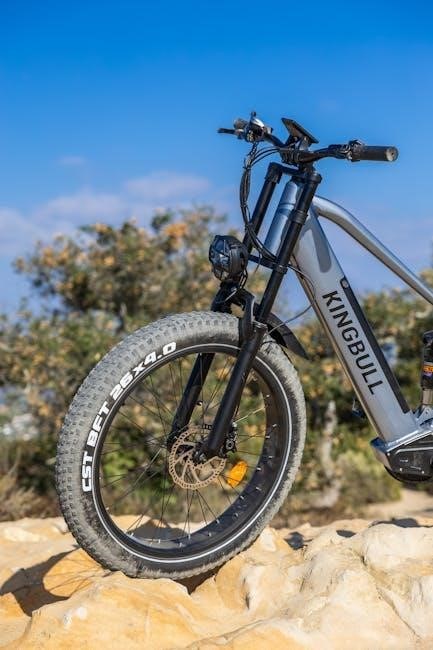
The added volume allows for lower tire pressures, which dramatically improves traction on loose surfaces, absorbs impacts from rocks and roots, and enhances overall control. A 2.4″ tire is a good starting point for drier conditions and faster trails, while 2.6″ offers more stability and grip in challenging terrain.
These tires typically feature a more aggressive tread pattern than XC tires, providing better braking and cornering performance. They are a popular choice for all-around trail riding, enduro, and even some downhill applications, offering a blend of speed and capability;
Gravel Bike Tire Width Considerations
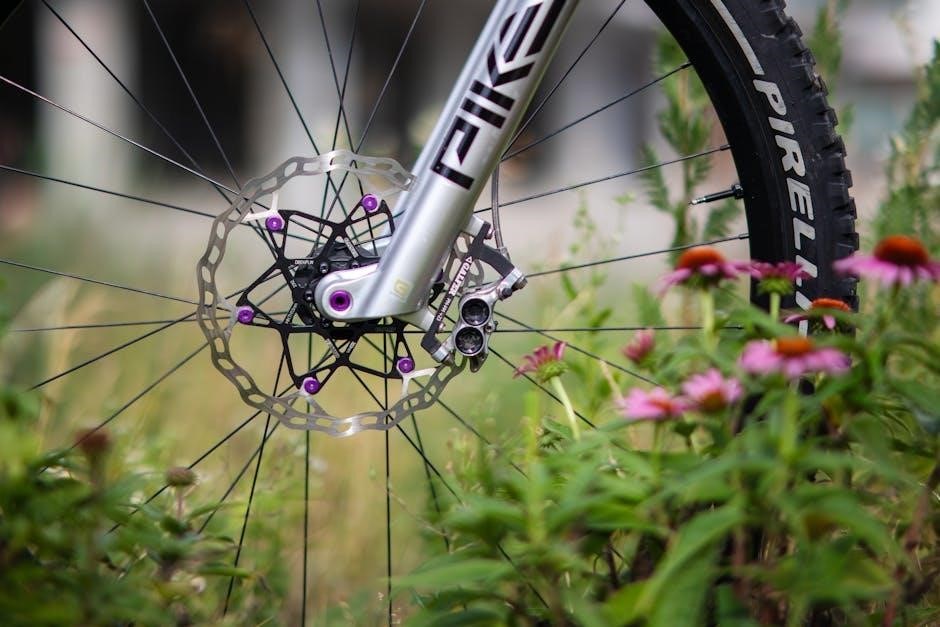
Gravel biking presents unique tire width challenges, demanding a balance between speed on paved surfaces and grip on loose gravel and dirt. Unlike road or mountain biking, there isn’t a single “best” width; it depends heavily on the type of gravel roads you frequent and your riding style.
Wider tires offer increased comfort, lower tire pressures for better traction, and reduced risk of pinch flats. However, they can be slower on pavement. Narrower tires roll faster on smooth surfaces but may feel harsh and lack grip on rough gravel. Frame and fork clearance are crucial considerations when selecting gravel tire width.
Modern gravel bikes often accommodate wider tires, opening up more options for comfort and capability. Carefully assess your typical terrain and prioritize accordingly – faster rolling for mostly paved roads, or increased grip and comfort for rougher adventures.
38mm ⏤ 42mm Tires: Fast Rolling Gravel
For gravel riders prioritizing speed and efficiency on smoother, packed gravel roads and hardpack surfaces, 38mm to 42mm tires represent an excellent choice. These widths strike a balance between rolling resistance and comfort, offering a noticeable performance advantage over wider tires on less demanding terrain.
They maintain a relatively low profile, reducing drag and allowing for quicker acceleration. This makes them ideal for gravel races or fast-paced group rides where minimizing rolling resistance is key. However, they may feel less forgiving on rougher, more technical gravel sections.
Riders should pair these tires with appropriate tire pressures – typically higher than those used with wider gravel tires – to further optimize rolling speed and prevent pinch flats. Consider these widths if your gravel adventures lean towards smoother, faster routes.
45mm+ Tires: Adventure and Rough Terrain
When venturing onto challenging gravel roads, loose surfaces, or embarking on bikepacking adventures, tires 45mm wide or greater become essential. These wider tires prioritize comfort, control, and traction over outright speed, absorbing impacts and providing a more stable ride on unpredictable terrain.
The increased volume allows for lower tire pressures, further enhancing grip and cushioning. This is particularly beneficial on rocky or root-filled sections, reducing the risk of pinch flats and improving rider confidence. Wider tires also offer greater floatation on softer surfaces like sand or mud.
However, it’s important to note that wider tires generally have higher rolling resistance. Therefore, they are best suited for riders who prioritize comfort and control over speed, or those tackling primarily rough and technical gravel routes. Rim width compatibility is also crucial when considering these larger sizes.
Rim Width Compatibility
Selecting the correct tire width is only half the battle; ensuring compatibility with your rims is equally crucial. Modern rims are designed to accommodate a range of tire widths, but exceeding these limits can compromise safety and performance. Narrow rims paired with wide tires can lead to unstable handling and increased risk of tire roll-off.
Conversely, wide rims with narrow tires can result in a bulbous tire profile, negatively impacting rolling resistance and cornering grip. Tire manufacturers and rim producers often provide compatibility charts outlining recommended tire widths for specific rim internal widths.
Generally, wider tires require wider rims to support the tire’s volume and maintain optimal shape. Understanding internal rim width (measured in millimeters) and referencing compatibility guides is vital for a safe and efficient setup. Ignoring these guidelines can lead to compromised handling and potential damage to both the tire and rim.
Tire Pressure and Width Relationship
Tire pressure and width are intrinsically linked, significantly influencing ride quality and performance. Wider tires allow for lower pressures, enhancing comfort and grip by increasing the contact patch with the road or trail. Lower pressures also improve compliance, absorbing bumps and vibrations more effectively.
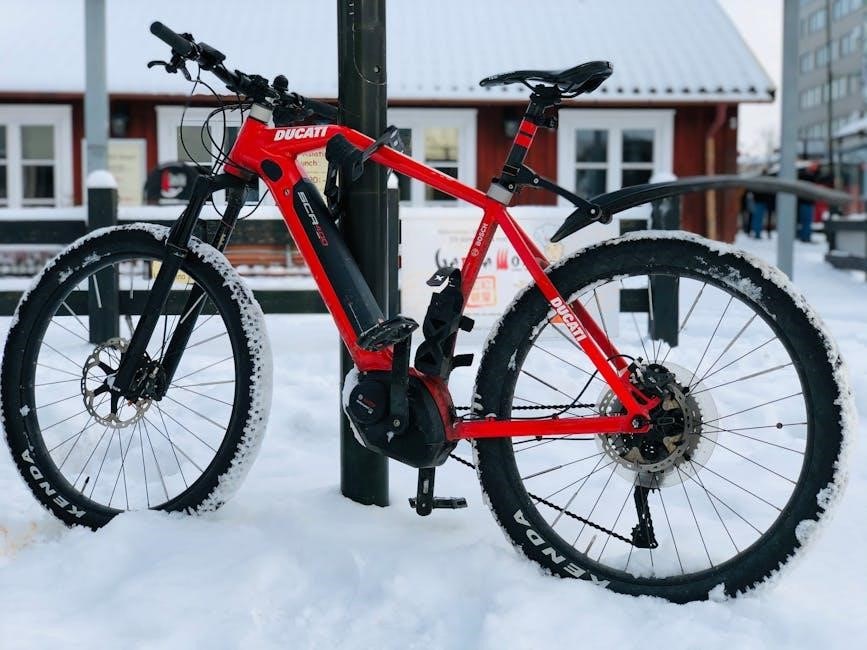
Narrower tires, conversely, require higher pressures to prevent pinch flats and maintain structural integrity. However, excessively high pressure can lead to a harsh ride and reduced traction. The ideal pressure depends on rider weight, terrain, and tire volume.
Experimentation is key to finding the sweet spot. Modern tubeless setups further expand the range of usable pressures, allowing riders to run even lower pressures without the risk of pinch flats. Always adhere to the tire manufacturer’s recommended pressure range, printed on the sidewall.
Impact of Tire Width on Rolling Resistance
Rolling resistance, a crucial factor in cycling efficiency, is surprisingly complex when considering tire width. Traditionally, narrower tires were believed to have lower rolling resistance due to reduced deformation. However, recent research indicates a more nuanced relationship.
Wider tires, when inflated to appropriate pressures, can actually exhibit lower rolling resistance on many surfaces. This is because they deform less around imperfections, reducing energy loss from continuous flexing. The larger air volume also contributes to a smoother ride.
The surface plays a significant role; smoother surfaces favor narrower tires, while rougher surfaces benefit from the increased compliance and reduced deformation of wider tires. Carcass construction and tire compound also heavily influence rolling resistance, independent of width. Ultimately, optimizing for rolling resistance involves balancing width, pressure, and surface conditions.
Tire Width and Comfort Levels
Tire width significantly impacts ride comfort, primarily by influencing the amount of air volume and the tire’s ability to absorb vibrations. Wider tires, with their larger volume, allow for lower inflation pressures, which dramatically improves comfort, especially on rough roads or trails.
Lower pressure means the tire can conform more to the terrain, effectively cushioning the ride and reducing fatigue. This is particularly noticeable on gravel or uneven surfaces. Narrower tires, conversely, require higher pressures to avoid pinch flats, resulting in a harsher ride.

However, comfort isn’t solely determined by width. Carcass construction (TPI/EPI) and tire compound also play vital roles. A supple casing, even in a narrower tire, can offer a surprisingly comfortable experience, but generally, wider tires provide a superior level of cushioning and vibration damping.
Carcass Density (TPI/EPI) and Tire Width
Tire carcass density, measured in Threads Per Inch (TPI) or Ends Per Inch (EPI), profoundly influences a tire’s ride quality and how it interacts with different widths. Higher TPI/EPI indicates a more densely woven casing, resulting in a suppler, more flexible tire.
Supple casings conform better to road imperfections, enhancing comfort and grip, particularly when paired with wider tires. A high TPI tire allows for lower pressures without sacrificing puncture resistance. Lower TPI/EPI tires are generally more durable and robust, suitable for rougher terrain, but offer less compliance.
The relationship between carcass density and width is crucial; a high TPI tire benefits significantly from increased width, maximizing its supple characteristics. Conversely, a lower TPI tire might be more appropriate for narrower widths where durability is paramount. Choosing the right combination optimizes performance and comfort.
Choosing Tire Width Based on Riding Style
Selecting the appropriate tire width hinges significantly on your riding style and the terrain you frequent. For performance-focused road cyclists prioritizing speed and efficiency, narrower tires (23-25mm) traditionally offered lower rolling resistance, though wider options are gaining traction.
Endurance riders and those covering long distances benefit from wider tires (28-32mm) providing enhanced comfort and reduced fatigue. Mountain bikers require varying widths; cross-country racers favor 2.25-2.35″ tires for speed, while trail riders opt for 2.4-2.6″ for versatility.
Gravel riders face the most diverse needs. Faster gravel surfaces suit 38-42mm tires, while rougher terrain demands 45mm+ for increased stability and traction. Ultimately, matching tire width to your riding style optimizes grip, comfort, and overall performance.
Circumference and Tire Width: A Reference Guide
Understanding the relationship between tire width and circumference is crucial for accurate speed and distance calculations. A tire’s circumference – the distance traveled per revolution – directly impacts speedometer readings and cycling computer data. Wider tires have a larger circumference than narrower ones, meaning fewer revolutions are needed to cover the same distance.
Manufacturers provide circumference data, often in millimeters, for each tire size. Reference tables, like those found in fitment charts, offer a quick lookup for common tire widths. For example, a 25-622 tire will have a different circumference than a 28-622, even with the same wheel size (622mm).
Accurate circumference data ensures your cycling computer displays correct information, aiding in training and performance tracking. Consider this when comparing tires or switching between different widths.
Maximum Load and Speed Ratings by Tire Width
Bicycle tires are engineered with specific load and speed limitations, directly correlated to their width and construction. These ratings, expressed in kilograms (load) and kilometers per hour (speed), are vital for safety and performance. Wider tires generally support higher loads due to their increased air volume and larger contact patch.
Manufacturers clearly mark these ratings on the tire sidewall. Exceeding the maximum load compromises tire integrity, increasing the risk of punctures or blowouts. Similarly, consistently riding beyond the speed rating can lead to premature wear and potential failure.
Tire size ranges, from 15 to 18 inches, each have corresponding specifications. Always adhere to these guidelines, especially when carrying heavy loads or descending at high speeds, to ensure a safe and enjoyable riding experience.