
BD Vacutainer Tube Guide: A Comprehensive Overview
This guide details BD Vacutainer systems, emphasizing correct tube selection for accurate blood tests, including grouping and fraction analysis.
It offers a color-coded chart for optimal testing.
BD Vacutainer systems represent a cornerstone of modern blood collection, offering a closed tube system designed to enhance safety and reliability for both healthcare professionals and patients. These systems utilize evacuated tubes, pre-filled with specific additives, to ensure accurate sample collection for a wide range of diagnostic tests.
The BD Microtainer tubes, a component of this system, come in various sizes and volumes, featuring closures like Hemogard for added protection. Understanding these systems is crucial for proper specimen handling and achieving dependable laboratory results, ultimately contributing to improved patient care.
The Importance of Correct Tube Selection
Selecting the appropriate BD Vacutainer tube is paramount for accurate diagnostic testing. Each tube contains specific additives – like EDTA, citrate, or heparin – designed to preserve sample integrity for intended analyses. Incorrect tube choice can lead to inaccurate results, potentially misdiagnosing patients or requiring recollection, impacting workflow and patient experience.
A comprehensive guide, utilizing the color-coded system, is therefore essential. Staff must understand which tube is required for specific tests, ensuring the correct quantity of blood is drawn for reliable analysis.
Understanding the Color-Coding System
BD Vacutainer tubes employ a straightforward color-coding system to simplify tube selection. This visual cue instantly identifies the tube’s additive and intended use. For instance, lavender tops contain EDTA, ideal for hematology tests. Gold tops, or Serum Separator Tubes (SSTs), are used for serum chemistry. Light blue signifies sodium citrate for coagulation studies.
Mastering this system minimizes errors, ensuring the correct additive is present for accurate and reliable test results, ultimately benefiting patient care.

Key BD Vacutainer Tube Types
BD offers diverse tubes like lavender (EDTA), gold (SST), light blue (citrate), and green (heparin), each designed for specific tests and optimal sample integrity.
Lavender Top Tubes (EDTA)
Lavender top tubes contain EDTA (ethylenediaminetetraacetic acid), a potent anticoagulant preventing blood clotting by binding calcium ions. These tubes are crucial for hematology tests, offering excellent cellular morphology. BD Lavender tubes, alongside Pink and Tan varieties, aren’t recommended for Magellan Diagnostics LeadCare systems. They are widely utilized for complete blood counts (CBCs), blood typing, and genetic studies. The additive concentration ensures reliable results, packaged in quantities of 100/1000, and are available in various sizes, like 5.0 mL with Hemogard closures.
Uses for Lavender Top Tubes
Lavender top tubes, with their EDTA anticoagulant, are primarily employed in hematological analyses. They excel in preserving blood cell morphology, vital for differential white blood cell counts and red blood cell evaluations. These tubes are also essential for blood grouping and compatibility testing, ensuring safe transfusions. Furthermore, they support genetic testing applications, providing reliable DNA samples. Their versatility extends to investigations requiring whole blood analysis, making them a cornerstone of modern laboratory diagnostics.
Specific Tests Utilizing EDTA Tubes
EDTA tubes facilitate a broad spectrum of diagnostic tests. Complete Blood Counts (CBCs) rely on EDTA’s preservation of cell integrity. Blood smears for morphological examination are routinely prepared from these samples. Additionally, erythrocyte sedimentation rate (ESR) testing benefits from EDTA’s anticoagulant properties. Genetic studies, including DNA analysis, frequently utilize EDTA-preserved blood. Importantly, lithium heparin tubes aren’t recommended for LeadCare systems, highlighting EDTA’s specific role in lead testing with compatible systems like LeadCare.
Gold Top Tubes (SST ー Serum Separator Tube)
Gold top tubes, or Serum Separator Tubes (SSTs), are crucial for various clinical chemistry tests. These tubes contain a clot activator, initiating the coagulation cascade and serum formation. The gel barrier within the SST physically separates the serum from cellular components post-centrifugation, preventing interference with test results. Applications include lipid profiles, cardiac markers, and comprehensive metabolic panels. Proper centrifugation is vital for optimal serum separation and accurate analysis.
Serum Separation Process
The serum separation process within gold top tubes relies on a gel barrier. After clot formation, centrifugation forces red blood cells and other cellular elements to the tube’s bottom. The gel layer then creates a physical barrier, preventing these components from mixing with the serum above. This ensures a clear, uncontaminated serum sample, essential for accurate testing. Complete serum separation typically requires a 10-minute centrifugation at a specific RCF (Relative Centrifugal Force), as per laboratory protocols.
Applications of Gold Top Tubes
Gold top tubes, or Serum Separator Tubes (SSTs), are widely utilized in clinical chemistry and immunology. They’re ideal for a broad range of tests, including lipid profiles, cardiac markers, hormone assays, and therapeutic drug monitoring. The serum obtained is suitable for various diagnostic evaluations. Because of the gel separator, these tubes minimize interference from cellular components, yielding reliable and precise analytical results, crucial for patient care and diagnosis.
Light Blue Top Tubes (Sodium Citrate)
Light blue top tubes contain sodium citrate as an anticoagulant, preventing blood clotting by binding calcium. These tubes are specifically designed for coagulation testing, including prothrombin time (PT), activated partial thromboplastin time (aPTT), and fibrinogen levels. Accurate fill volume is critical; underfilling can affect results. These tubes are essential for assessing a patient’s clotting ability and managing anticoagulant therapy effectively, ensuring proper diagnosis and treatment.
Coagulation Testing and Sodium Citrate
Sodium citrate’s anticoagulant action is fundamental to coagulation testing, binding calcium ions necessary for the clotting cascade. This allows for accurate measurement of clotting factors and pathways. Tests like PT and aPTT rely on this mechanism to assess extrinsic and intrinsic pathways, respectively. Proper tube filling is paramount, as incorrect ratios can skew results, leading to misdiagnosis. Consistent and reliable coagulation assessments are vital for managing bleeding disorders and monitoring anticoagulant medications.
Proper Fill Volume for Light Blue Tubes
Maintaining the correct blood-to-additive ratio in light blue tubes is critical for accurate coagulation results. Typically, a 13x75mm tube requires 2.7mL of blood. Underfilling compromises the citrate concentration, potentially leading to falsely prolonged clotting times. Overfilling can dilute the citrate, causing falsely shortened times. A 3-4 inversion ensures adequate mixing without hemolysis. Precise volume adherence guarantees reliable PT, aPTT, and other coagulation assessments, impacting patient care significantly.
Green Top Tubes (Heparin)
Green top tubes utilize heparin as an anticoagulant, preventing blood clotting while allowing for plasma separation. Lithium heparin is commonly found in these tubes, ideal for various clinical chemistry tests. They are not recommended for use with Magellan Diagnostics LeadCare systems; These tubes are frequently used for stat chemistry panels, and are crucial for assessing lipid profiles and enzyme levels. Proper mixing via gentle inversion is vital to ensure effective anticoagulation and accurate test results.
Heparin as an Anticoagulant
Heparin functions as a potent anticoagulant by activating antithrombin, inhibiting thrombin and other clotting factors. This prevents the coagulation cascade, preserving the liquid state of blood samples for plasma-based analyses. Unlike EDTA, heparin doesn’t chelate calcium. Lithium heparin is preferred for most laboratory tests, minimizing interference. It’s crucial to understand that heparin can affect certain assays, necessitating careful consideration during test selection and interpretation of results.
Applications of Green Top Tubes – Lithium Heparin
Lithium heparin tubes are widely used for plasma determinations, including chemistry profiles, cardiac markers, and immunology tests. They’re ideal for assessing enzyme activity and drug levels where plasma is required. However, lithium can interfere with certain tests like uric acid and triglycerides, so alternative tubes might be necessary. These tubes are not recommended for use with LeadCare systems alongside EDTA tubes (lavender, pink, and tan).
Gray Top Tubes (Sodium Fluoride/Potassium Oxalate)
Gray top tubes contain sodium fluoride and potassium oxalate, primarily utilized for glucose testing. Sodium fluoride inhibits glycolysis, effectively preserving glucose levels in the sample for up to 24 hours, ensuring accurate results. Potassium oxalate acts as an anticoagulant. These tubes are crucial for stat glucose measurements and glucose tolerance tests, providing reliable data for diabetes diagnosis and monitoring. Proper handling is vital to maintain sample integrity.
Glucose Testing and Gray Top Tubes
Gray top tubes are specifically designed for glucose testing, employing sodium fluoride to inhibit glycolysis – the metabolic process breaking down glucose. This preservation is critical for accurate results, especially when immediate analysis isn’t possible. The potassium oxalate within also functions as an anticoagulant, preventing blood clotting. These tubes are ideal for stat glucose measurements and glucose tolerance tests, providing reliable data for diagnosing and managing diabetes effectively.
Preservation of Glucose Samples
Gray top tubes excel at glucose sample preservation due to the sodium fluoride additive, effectively halting enzymatic glycolysis that would otherwise deplete glucose levels post-collection. This ensures accurate measurements, even with testing delays. Proper mixing immediately after draw is vital for optimal fluoride distribution. Samples should be analyzed promptly, ideally within specified timeframes, to maintain integrity and minimize potential inaccuracies impacting patient diagnosis and treatment plans.
Specialized BD Vacutainer Tubes
Specialized tubes, like pink and tan tops, cater to specific tests – blood grouping, lead testing – offering unique additives for precise diagnostic results.
Pink Top Tubes (EDTA ౼ Blood Grouping)
Pink top tubes utilize EDTA as an anticoagulant, specifically designed for complete blood counts and blood grouping/compatibility testing. These tubes prevent clotting, preserving cell morphology for accurate analysis. BD Vacutainer EDTA tubes, including pink tops, are generally not recommended for use with Magellan Diagnostics LeadCare systems due to potential interference. Proper mixing is crucial – gently invert the tube 8-10 times immediately after collection to ensure thorough additive distribution and prevent clot formation, guaranteeing reliable test results.
Blood Grouping and Compatibility Testing
Pink top tubes are essential for determining a patient’s blood type (A, B, AB, or O) and Rh factor. This information is critical for safe blood transfusions and preventing hemolytic reactions. Compatibility testing, performed using these EDTA-containing tubes, ensures donor blood is compatible with the recipient’s blood, minimizing adverse events. Accurate blood grouping relies on proper sample collection and handling, including gentle mixing to ensure EDTA’s anticoagulant effect and prevent erroneous results.
Specific Considerations for Pink Top Tubes
Pink top tubes, containing EDTA, are not recommended for certain tests like lithium heparin compatibility due to potential interference. Avoid using them with Magellan Diagnostics LeadCare systems. Proper mixing is crucial—invert gently ten times—to ensure adequate EDTA anticoagulation without hemolysis. These tubes are specifically designed for hematological studies and blood grouping, so deviations from intended use can compromise test accuracy. Always verify the tube’s expiration date and inspect for damage before use.
Tan Top Tubes (EDTA ౼ Lead Testing)
Tan top tubes utilize EDTA as an anticoagulant, specifically designed for accurate lead level determination in blood samples. These tubes demonstrate compatibility with systems like LeadCare, ensuring reliable results for lead screening. Proper collection technique is vital; avoid contamination with alcohol or other substances. Gentle inversion—approximately eight to ten times—is recommended to thoroughly mix the EDTA. These tubes are crucial for monitoring lead exposure, particularly in pediatric populations, and require careful handling.
Lead Level Determination
Accurate lead level determination relies on proper blood collection in tan top EDTA tubes. This method prevents in vitro lead contamination, crucial for reliable results. Testing typically employs techniques like atomic absorption spectrophotometry or capillary electrophoresis. Careful handling minimizes false positives; avoid alcohol skin preps. Results aid in identifying lead exposure sources and assessing potential health risks, particularly in children. Consistent laboratory protocols and quality control measures are essential for precise lead quantification.
Compatibility with LeadCare Systems
BD Vacutainer EDTA tubes (Lavender, Pink, and Tan) are generally not recommended for use with Magellan Diagnostics LeadCare systems. LeadCare requires specific, dedicated collection tubes designed for their point-of-care testing methodology. Utilizing incorrect tubes can compromise assay accuracy and invalidate results. Always adhere to LeadCare’s instructions for optimal performance. Proper tube selection ensures reliable lead screening, particularly vital for pediatric lead exposure assessments, and maintains quality control standards.
Mint Green Top Tubes (Heparin)
Mint Green Top tubes contain Heparin as an anticoagulant, utilized for specialized applications beyond standard coagulation testing. These tubes are available with either Lithium or Sodium Heparin. Lithium Heparin is preferred for most hematology tests, while Sodium Heparin is suitable for specific clinical chemistry analyses. Careful consideration of the heparin type is crucial to avoid interference with certain assays. These tubes are vital for whole blood analysis requiring anticoagulation, ensuring sample integrity.
Specialized Heparin Applications
Mint Green Top tubes with Heparin excel in specialized tests, like plasma volume measurements and arterial blood gas analysis, where preventing clot formation is paramount. They’re also crucial for viscosity studies and certain pharmacokinetic investigations. However, BD cautions against using Lavender, Pink, or Tan EDTA tubes, alongside Lithium Heparin tubes, with Magellan Diagnostics LeadCare systems due to potential interference. Proper selection ensures accurate results in these niche applications, maintaining sample quality.
Differences between Lithium and Sodium Heparin Tubes
While both Lithium and Sodium Heparin prevent blood clotting, Lithium Heparin is preferred for most routine hematology tests as it minimally impacts serum indices. Sodium Heparin, conversely, can influence certain electrolyte measurements. Therefore, careful consideration of the intended assay is vital when choosing between the two. The specific application dictates the optimal heparin type, ensuring reliable and accurate diagnostic outcomes. Always consult lab protocols for guidance.

Order of Draw & Best Practices
Following the correct order of draw is crucial to prevent cross-contamination between tubes and ensure accurate test results in BD Vacutainer systems.
The Significance of the Order of Draw
Establishing a standardized order of draw is paramount in phlebotomy when utilizing BD Vacutainer systems. This protocol minimizes the risk of additive cross-contamination between collection tubes, which can significantly compromise test accuracy. Certain tube additives, if drawn into subsequent tubes, can falsely elevate or depress results.
For instance, carryover from EDTA tubes can affect coagulation studies. Adhering to the recommended sequence—typically starting with blood culture tubes, then coagulation tubes, serum tubes, and finally EDTA/fluoride tubes—safeguards sample integrity and ensures reliable diagnostic outcomes.
Avoiding Cross-Contamination
Preventing cross-contamination is crucial when employing BD Vacutainer tubes for accurate diagnostic testing. Residual additives from one tube can interfere with analyses performed on subsequent samples. Thoroughly mixing each tube immediately after collection is vital to ensure additive distribution and minimize localized concentrations.
Using a fresh needle and holder for each patient, and diligently following the correct order of draw, further reduces contamination risks. Proper technique and adherence to established protocols are essential for reliable laboratory results and patient care.
Recommended Order of Draw Sequence
Following the correct order of draw is paramount to avoid cross-contamination of additives between tubes. Generally, the sequence begins with blood culture tubes, followed by coagulation tubes (light blue), serum tubes (gold/red), then EDTA tubes (lavender/pink), and finally, tubes with glycolytic inhibitors (gray).
Discard tubes should be drawn first, if needed. This standardized sequence minimizes interference and ensures accurate test results, adhering to CLSI guidelines for optimal preanalytical practices.
Tube Specifications & Technical Details
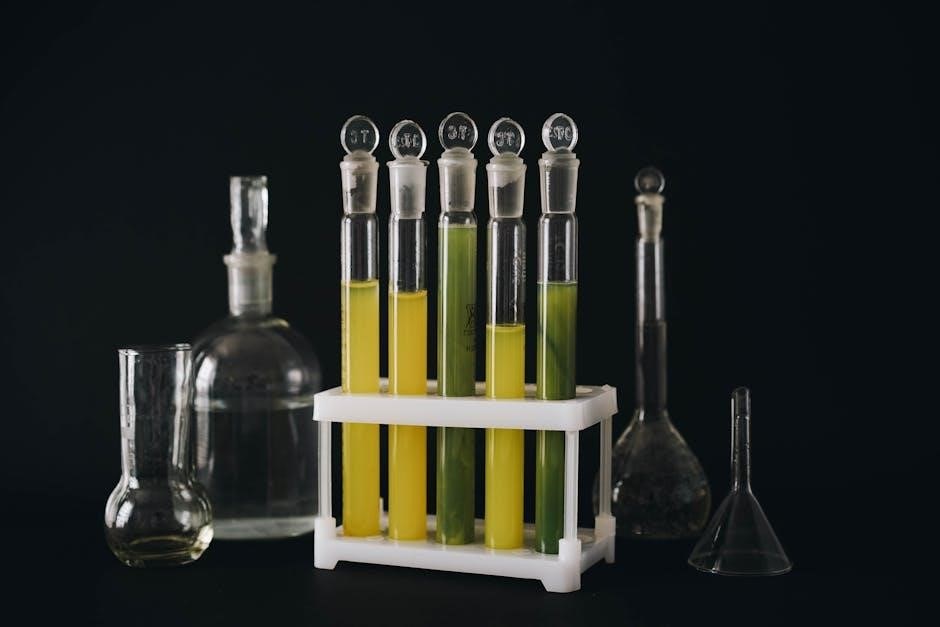
BD Microtainer tubes come in various sizes, with draw volumes up to 5.0 mL, utilizing Hemogard closures and paper labels with specific additive concentrations.
BD Microtainer Tube Sizes and Volumes
BD Microtainer tubes are available in diverse sizes to accommodate varying testing needs and patient demographics. A common size is 13 x 100 mm, offering a 5.0 mL draw volume. These miniature tubes are designed for efficient blood collection, particularly in pediatric or geriatric patients where smaller sample volumes are preferred.
The precise dimensions and volumes ensure accurate additive-to-blood ratios, crucial for reliable test results. Packaging options include boxes and cases with quantities of 100 or 1000 tubes, facilitating convenient laboratory inventory management.
Closure Types: Hemogard vs. Standard
BD offers two primary closure types for Vacutainer tubes: Hemogard and standard. Hemogard closures feature a multi-layer design, providing an enhanced barrier against accidental needle sticks, improving laboratory safety. Standard closures are a traditional option, offering reliable sealing. Both types maintain sample integrity during collection and transport.
The choice often depends on institutional safety protocols and preferences. Hemogard closures are typically orange, visually indicating their enhanced safety feature for healthcare professionals.
Additive Concentrations and Packaging Options
BD Vacutainer tubes are available with varying additive concentrations tailored to specific tests. EDTA tubes, for example, have precise potassium EDTA levels for hematology. Packaging options range from individual tubes to bulk quantities in boxes or cases, accommodating diverse lab needs. Common pack sizes include 100 and 1000 tubes per container.
BD Microtainer tubes offer smaller draw volumes with corresponding packaging. These options ensure convenience and minimize waste, optimizing laboratory workflow and cost-effectiveness.
Troubleshooting & Common Issues
Common issues include under/overfilled tubes and hemolysis. Proper mixing and inversion techniques are crucial to avoid these problems and ensure accurate test results.
Underfilled or Overfilled Tubes
Maintaining proper fill volumes is critical for accurate results with BD Vacutainer tubes. Underfilled tubes can lead to incorrect additive-to-blood ratios, skewing test outcomes. Conversely, overfilled tubes may cause additive carryover into subsequent tubes, inducing cross-contamination.
Always check the tube markings to ensure the correct volume is drawn. Insufficient vacuum or improper technique during venipuncture are frequent causes of fill volume errors. Following the recommended order of draw also minimizes these issues, preventing interference from additives in prior tubes.
Hemolysis and its Causes
Hemolysis, the rupture of red blood cells, significantly impacts test results and must be avoided. Common causes include vigorous shaking during mixing, using a small gauge needle, prolonged tourniquet time, or forceful syringe draws. Improper tube handling, like dropping or excessive inversion, can also induce hemolysis.
Certain patient conditions, like fragile red blood cells, increase susceptibility. Hemolyzed samples often appear pink or red and may be unsuitable for many analyses, necessitating recollection.
Proper Mixing and Inversion Techniques
Adequate mixing ensures proper additive-to-blood ratio, crucial for accurate results. Gently invert the tube 5-10 times immediately after filling, avoiding vigorous shaking which can cause hemolysis. Follow manufacturer’s recommendations for specific tube types; some require more inversions.
Ensure complete mixing of the additive with the blood sample. Insufficient mixing leads to inaccurate test values, while over-mixing can damage cells. Proper technique is vital for reliable diagnostics.

BD Vacutainer Tube Conversion Guide
This guide facilitates switching from Greiner Vacuette tubes, detailing cap/color equivalents and crucial considerations for accurate conversions, ensuring consistent testing practices.
Converting from Greiner Vacuette Tubes
Transitioning from Greiner Vacuette tubes to BD Vacutainer systems requires careful attention to ensure accurate results. The conversion guide provides a direct comparison of tube cap colors and additives. For instance, a Greiner blue top sodium citrate tube corresponds to a BD Vacutainer blue top with the same additive.
Understanding size and volume differences is also critical; BD offers a plastic citrate tube as an alternative. Always verify the number of inversions required for proper mixing, as this can vary between brands. BD provides comprehensive documentation to facilitate a smooth and reliable conversion process.
Understanding Tube Cap/Color Equivalents
Accurate interpretation of tube cap colors is fundamental when converting between different blood collection systems. BD Vacutainer employs a distinct color-coding system, but equivalents exist for tubes from manufacturers like Greiner Vacuette. A blue cap consistently indicates sodium citrate for coagulation studies, regardless of the brand.
Gold tops signify serum separator tubes (SST) in both systems. However, always consult a detailed conversion chart to confirm additive concentrations and volume compatibility, ensuring reliable diagnostic outcomes during the transition process.
Important Considerations for Tube Conversion
Switching between vacutainer systems requires meticulous attention to detail. While color-coding offers a starting point, differences in additive concentrations and tube materials can impact test results. Verify the quantity of blood drawn, as variations exist between brands and tube sizes.
Always prioritize patient safety and data integrity by validating converted results and adhering to established laboratory protocols. Thorough training and documentation are crucial for a seamless transition.