
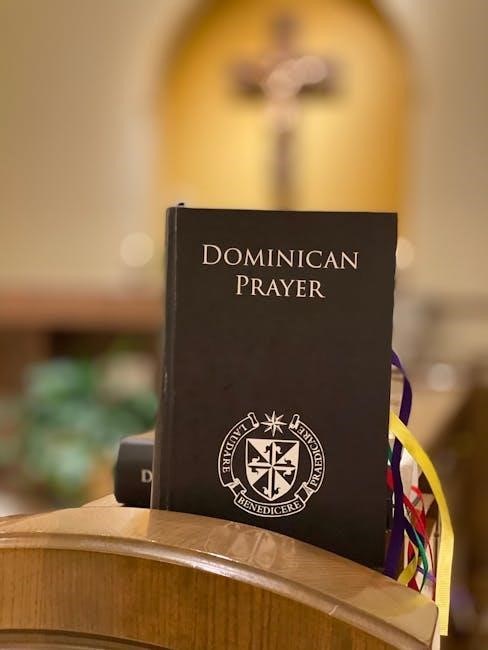
Prayer manuals, encompassing books of hours and modern guides, have historically aided spiritual devotion. These resources, like the Book of Common Prayer,
facilitate structured, personal connection with the divine, evolving over centuries.
Historical Significance of Prayer Books
Historically, prayer books weren’t merely collections of words, but vital components of religious and cultural life. Medieval Books of Hours, often lavishly illuminated – like the Très Riches Heures of Jean, Duc de Berry – weren’t universally accessible, representing significant wealth and piety.
The advent of the printing press democratized access, leading to the widespread distribution of texts like the Book of Common Prayer, solidifying Anglican liturgical practice. These manuals weren’t static; they reflected theological shifts and evolving devotional practices.
Understanding their historical context reveals how prayer books shaped personal spirituality, communal worship, and even artistic expression, serving as tangible links to past generations’ faith journeys.
The Evolution of Personal Prayer Guides
Personal prayer guides have transformed from ornate, commissioned Books of Hours to accessible, modern resources. Initially, these manuals catered to the literate elite, fostering individual devotion within a structured liturgical framework.
The Puritan era saw a shift towards intensely personal and contemplative prayer, exemplified by works like Tom Schwanda’s exploration of “Soul Recreation,” emphasizing inner spiritual experience.
Contemporary guides, such as those from “Hearts & Minds Books,” prioritize practical application, offering support for small groups and deepening spiritual practice. Today, digital apps promise personalized prayer experiences, continuing this evolution, while traditional forms maintain relevance.

Types of Prayer Manuals
Prayer manuals vary widely, from medieval Books of Hours and the Anglican Book of Common Prayer, to Puritan devotionals and contemporary, personalized approaches.
Books of Hours: Medieval Origins
Books of Hours represent a significant early form of prayer manual, flourishing in the Medieval period. These beautifully illuminated volumes weren’t intended for clergy, but for laypeople – particularly the wealthy – to facilitate personal devotion. They contained a selection of prayers, psalms, hymns, and liturgical texts organized for recitation at specific times of the day, aligning with the monastic “hours of prayer.”
The content often centered around the Virgin Mary, with prayers like the Hours of the Virgin being central. Decoration ranged from simple, mass-produced examples to extraordinarily lavish manuscripts, such as the famed Très Riches Heures of Jean, Duc de Berry, showcasing incredible artistry. These books weren’t simply prayer aids; they were status symbols and works of art, reflecting the owner’s piety and wealth.
The Book of Common Prayer: Anglican Tradition
The Book of Common Prayer stands as a cornerstone of Anglican liturgical practice, originating in 1549. It provided a standardized form of worship in English, replacing the Latin Mass following the English Reformation. Francis Procter’s A New History of the Book of Common Prayer details its evolving structure, including shifts in lectionary arrangements and the integration of psalmody and chant.
The book contains services for daily prayer, Holy Communion, baptisms, marriages, and funerals, offering a comprehensive guide for worship. Its influence extends beyond the Anglican Communion, impacting liturgical developments in other denominations. Procter’s work highlights how revisions reflected theological shifts and the contributions of key reformers, shaping its enduring legacy as a foundational prayer manual.
Puritan Prayer Manuals: Focus on Devotion
Puritan prayer manuals, exemplified by Tom Schwanda’s study of Soul Recreation, prioritized a deeply personal and contemplative approach to faith. These guides moved beyond prescribed liturgy, emphasizing individual communion with God and the cultivation of inner piety. Schwanda’s work challenges stereotypes, revealing a surprisingly mystical dimension within Puritan spirituality.
Unlike some contemporary approaches, Puritan devotion wasn’t simplistic; it involved rigorous self-examination and a profound engagement with scripture. These manuals aimed to foster a constant awareness of God’s presence and a heartfelt response to His grace. Soul Recreation demonstrates how these thinkers sought a transformative spiritual experience, influencing generations of believers with their earnest devotion.
Contemporary Prayer Books: Modern Approaches
Contemporary prayer books represent a diverse landscape, moving beyond traditional structures to meet modern spiritual needs. Resources like those from “Hearts & Minds Books” demonstrate a focus on practical application, offering guidance for both individual practice and communal settings. These manuals often include sections on incorporating prayer into daily life and utilizing them effectively within small groups or church classes.
Modern approaches prioritize accessibility and relevance, often blending ancient wisdom with contemporary language. They acknowledge the challenges of modern life and offer tools for cultivating a consistent prayer life amidst busy schedules. Emphasis is placed on deepening spiritual journeys and fostering a more intimate relationship with the divine, adapting to individual preferences.

Key Elements Found in Prayer Manuals
Core elements include daily prayer structures, specific occasion prayers, liturgical calendars, Psalms, hymns, confession, absolution, and intercessory prayer guidance for focused devotion.

Daily Office/Daily Prayer Structure
A foundational aspect of many prayer manuals is the provision of a structured daily office or daily prayer routine. This typically involves a series of set prayers, readings, and Psalms designed to be recited at specific times throughout the day – often mirroring monastic traditions.
Francis Procter’s work highlights how the Book of Common Prayer’s lectionary structure evolved, influencing these daily rhythms. Such structures aren’t merely about adhering to a schedule; they cultivate a consistent habit of prayer, fostering a deeper connection with faith.
The inclusion of psalmody and chant, as Procter notes, further shapes worship within this framework. This deliberate structure aims to discipline the spiritual life and provide a rhythm for encountering the divine throughout each day.
Prayers for Specific Occasions
Prayer manuals frequently extend beyond daily routines, offering prayers tailored to diverse life events and needs. These range from petitions for healing and comfort during times of illness, to expressions of gratitude for blessings received, and supplications for guidance in decision-making.
Historically, Books of Hours contained prayers associated with specific hours of the day, but also included devotions for particular circumstances. Modern manuals, like those recommended by Hearts & Minds Books, continue this tradition, recognizing the human need for targeted prayer.
This provision acknowledges that faith isn’t solely expressed in generalized worship, but also in specific, heartfelt appeals to the divine in response to life’s varied experiences.
Liturgical Calendars and Observances
Prayer manuals often integrate liturgical calendars, structuring prayer life around the church year and significant holy days. This feature, prominently displayed in the Book of Common Prayer, provides a framework for collective worship and personal devotion aligned with the Christian seasons – Advent, Christmas, Lent, and Easter.
Francis Procter’s work, “A New History of the Book of Common Prayer,” details the evolution of these lectionary structures, highlighting transitions and the influence of historical reforms. Observing these observances fosters a sense of continuity with tradition.
Such calendars guide believers through a rhythm of remembrance, repentance, and rejoicing, enriching their spiritual journey throughout the year.
Psalms and Hymns Integration
Prayer manuals frequently incorporate Psalms and hymns, recognizing their central role in both private and communal worship. Historically, psalmody and chant profoundly shaped liturgical practice, as detailed in Francis Procter’s analysis of the Book of Common Prayer. These poetic expressions of praise, lament, and thanksgiving offer a rich vocabulary for engaging with God.
The integration of hymns provides opportunities for congregational singing, fostering unity and shared devotion.
Medieval Books of Hours, while often visually stunning, also included selections from the Psalms. This practice continues today, enriching prayer with the timeless wisdom and beauty of these sacred texts.
Confession and Absolution
Prayer manuals often dedicate sections to the practices of confession and absolution, acknowledging humanity’s need for repentance and divine forgiveness. These elements are foundational to many liturgical traditions, including the Anglican tradition explored in Francis Procter’s work on the Book of Common Prayer.
Puritan prayer manuals, while emphasizing devotion, also addressed the importance of acknowledging sin and seeking God’s mercy.
The inclusion of these prayers provides a structured pathway for spiritual cleansing and reconciliation. They offer a framework for examining one’s conscience, expressing remorse, and receiving assurance of God’s grace, fostering a deeper relationship with the divine.
Intercessory Prayer Guidance
Prayer manuals frequently include guidance on intercessory prayer – praying on behalf of others; This reflects a core tenet of many faiths, emphasizing communal responsibility and compassionate concern. Modern resources, such as those recommended by Hearts & Minds Books, often dedicate space to prompts and suggestions for lifting up specific needs and individuals in prayer.
Historically, books of hours and liturgical traditions provided established prayers for various circumstances, encompassing both personal and communal concerns.
This guidance helps individuals expand their prayer life beyond personal requests, fostering empathy and a sense of connection to the wider world, embodying a spirit of selfless devotion.

Notable Prayer Manuals & Authors
Key texts include the Très Riches Heures, Francis Procter’s historical analysis, Tom Schwanda’s study of Puritanism, and contemporary guides like Hearts & Minds Books.
“Hearts & Minds Books” ⎼ A Modern Recommendation
Hearts & Minds Books emerges as a highly recommended resource for those earnestly seeking to deepen their prayer life. This modern prayer manual isn’t simply a collection of prayers, but a thoughtfully curated guide designed to foster a more intimate and consistent connection with God.
A particularly valuable feature is its appendix, specifically geared towards facilitating use within small groups or church classes. This makes it an excellent tool for communal spiritual growth and shared exploration of prayer practices. Furthermore, the book concludes with a practical reminder – “Putting Prayer into Practice” – encouraging readers to actively integrate these principles into their daily routines. It’s a resource praised for its depth, insight, and genuine commitment to nurturing a vibrant prayer life.
Francis Procter’s “A New History of the Book of Common Prayer”
Francis Procter’s “A New History of the Book of Common Prayer” offers a comprehensive exploration of this foundational liturgical text. This isn’t merely a historical recounting; it’s a detailed analysis of the prayer book’s evolving structure and the influences shaping its development. Readers gain insight into the transitions within the lectionary, from ancient schemes to the modern two-lesson system.
The book illuminates how psalmody and chant historically shaped worship, explaining traditions like cantus and antiphonal practices. Procter contextualizes major revisions, highlighting the roles of key editors and reformers. Crucially, it connects liturgical practice to church governance across various eras, making it ideal for students of church history, practical theology, or anyone curious about the origins and enduring legacy of the Book of Common Prayer.
Tom Schwanda’s “Soul Recreation” ⎯ Puritan Piety
Tom Schwanda’s “Soul Recreation” delves into the often-misunderstood spiritual depths of colonial American Puritanism. This work challenges popular stereotypes, revealing a surprisingly mystical and contemplative piety within this historical movement. While perhaps not ideal for beginners, the book offers a wonderfully nuanced study of key Puritan thinkers and their approaches to faith.
Schwanda’s historical analysis is itself deeply spiritual, warm, and insightful – even brilliant, according to reviewers. He serves as a helpful spiritual guide, particularly for those within the evangelical and Reformed traditions. The book invites readers to appreciate the Puritans’ profound spirituality and offers a fresh perspective on their contributions to devotional practice and the use of prayer manuals.
The Très Riches Heures of Jean, Duc de Berry ⎯ Illuminated Manuscripts
The Très Riches Heures, commissioned by Jean, Duke of Berry, represents a pinnacle of illuminated manuscript prayer books. While not all books of hours were adorned, this particular example is renowned for its spectacular decoration, showcasing the artistry of the medieval period. It exemplifies the beauty and devotion embedded within these personal prayer manuals.
Housed in the Houghton Library at Harvard College, this manuscript provides a glimpse into the private devotional life of a wealthy nobleman. Its intricate illustrations and carefully crafted prayers demonstrate the importance placed on personal piety and the artistic expression of faith. The manuscript’s artistry elevates it beyond a simple prayer book, transforming it into a treasured work of art.

Using Prayer Manuals Effectively
Prayer manuals enhance spiritual practice through daily routines, small group study, and liturgical understanding. Adapting these guides fosters a deeper, personalized connection with faith.

Incorporating Prayer into Daily Life
Integrating a prayer manual into your daily routine doesn’t require grand gestures, but consistent, intentional moments. Begin with a dedicated time, even just fifteen minutes, utilizing the daily office structure often provided within these guides.
Consider using specific prayers for occasions throughout the day – gratitude with morning coffee, intercession during your commute, or confession before sleep.
“Hearts & Minds Books” suggests practical application, reminding us to actively “put prayer into practice.”
Furthermore, explore the Psalms and hymns included, allowing their verses to shape your thoughts and emotions.
The key is to move beyond rote recitation and cultivate a genuine dialogue with the divine, allowing the manual to be a springboard for personal connection.
Small Group and Church Class Applications
Prayer manuals offer a rich foundation for communal spiritual growth within small groups and church classes. Utilizing a shared manual, like those recommended by “Hearts & Minds Books,” fosters unified exploration of prayer practices and theological understanding.
Discussions can center around specific prayers, exploring their historical context and personal relevance. Examining liturgical calendars and observances together deepens collective worship.
Groups can collaboratively practice intercessory prayer, lifting up shared concerns and celebrating blessings.
Furthermore, studying historical manuals, such as those from the Puritan tradition, can spark insightful conversations about evolving devotional approaches.
This shared journey strengthens bonds and encourages consistent, meaningful prayer lives for all participants.
Deepening Spiritual Practice
Prayer manuals serve as invaluable tools for cultivating a more profound and consistent spiritual life. Beyond rote recitation, these guides encourage contemplative engagement with divine presence, mirroring the “contemplative-mystical piety” explored in Tom Schwanda’s work on Puritanism.
Regular use of a manual’s daily office structure instills discipline and rhythm in prayer.
Exploring prayers for specific occasions expands one’s spiritual vocabulary and emotional range.
Delving into the historical context, as offered by Francis Procter’s study of the Book of Common Prayer, enriches understanding and appreciation.
Ultimately, a prayer manual facilitates a journey inward, fostering intimacy with God and a more authentic expression of faith.
Understanding Liturgical Traditions
Prayer manuals offer a gateway to comprehending the rich tapestry of liturgical traditions. Francis Procter’s “A New History of the Book of Common Prayer” illuminates the evolution of worship structures, from ancient schemes to modern lectionary systems.
Exploring the historical development of psalmody and chant, as Procter details, reveals how music has shaped devotional practice.
Medieval Books of Hours, like the Très Riches Heures, demonstrate the artistic and devotional expressions within a specific liturgical context.
Understanding the rationale behind liturgical offices, as presented in Procter’s work, provides insight into church governance and theological underpinnings.
These manuals aren’t merely collections of prayers; they are windows into centuries of faith expression.
Adapting Manuals to Personal Needs
While prayer manuals provide structure, effective spiritual practice often requires personalization. “Hearts & Minds Books” acknowledges this, offering guidance for utilizing the book within small groups or for individual “Putting Prayer into Practice” exercises.
Puritan piety, as explored in Tom Schwanda’s “Soul Recreation,” demonstrates a deeply personal, contemplative approach, though potentially challenging for beginners.
Adapting a manual means selecting prayers resonant with current life circumstances and spiritual goals.
It involves integrating elements – Psalms, hymns, confession – in a way that fosters genuine connection.
Don’t hesitate to modify, add, or subtract to create a devotional rhythm uniquely suited to your needs and spiritual journey.
The Role of Contemplative Prayer
Contemplative prayer, a core element within many traditions, finds resonance in the study of Puritan spirituality, as highlighted by Tom Schwanda’s “Soul Recreation.” This work reveals a “contemplative-mystical piety” often overlooked in popular portrayals of Puritanism.
While structured manuals offer guidance, contemplative prayer transcends formulaic recitation.
It’s about cultivating a silent, receptive awareness of God’s presence, moving beyond petition or intercession.
Manuals can facilitate this by providing a foundation of scriptural reflection and devotional practice.
However, the ultimate goal is to move beyond the book, allowing the Spirit to lead into deeper, more intimate communion with the Divine.

Future Trends in Prayer Manuals
Digital resources and personalized apps are emerging, yet traditional prayer book forms remain relevant, adapting to modern needs for spiritual guidance.
Digital Prayer Resources
The landscape of prayer is rapidly evolving with the advent of digital tools. These resources extend beyond simple e-books, encompassing interactive apps and websites designed to foster a deeper spiritual life. Many platforms now offer customizable prayer lists, daily devotional reminders, and access to a vast library of prayers for various occasions.
Furthermore, digital formats allow for multimedia integration, including guided meditations, calming music, and even virtual retreats. Accessibility is significantly enhanced, enabling individuals to engage in prayer anytime, anywhere, using their smartphones or tablets. This democratization of spiritual practice is a key driver behind the growing popularity of digital prayer resources, offering a modern complement to traditional prayer manuals.
Personalized Prayer Apps
Prayer apps represent a significant leap in tailoring spiritual practice to individual needs. Unlike static prayer manuals, these applications leverage technology to offer customized experiences. Users can often input specific intentions, track prayer requests, and receive reminders aligned with their schedules and preferences.
Many apps incorporate features like mood tracking to suggest relevant prayers or scriptures, fostering a more empathetic and responsive spiritual journey. Some even utilize artificial intelligence to generate personalized prayers based on user input. This level of customization extends to liturgical traditions, allowing users to select prayers from various denominations or create their own unique blends, effectively building a digital prayer manual.
The Continued Relevance of Traditional Forms
Despite the rise of digital resources, traditional prayer manuals retain enduring value. Books like the Book of Common Prayer and historical Books of Hours offer a connection to centuries of spiritual practice and liturgical tradition. Their structured prayers and established rhythms provide a comforting framework for devotion, particularly for those seeking stability in a rapidly changing world.
Furthermore, the physicality of a prayer book – its weight, texture, and even scent – can enhance the contemplative experience. Scholarly works, such as Francis Procter’s history of the Book of Common Prayer, deepen understanding of these forms, while illuminated manuscripts like the Très Riches Heures inspire awe and reverence, proving their lasting cultural and spiritual significance.