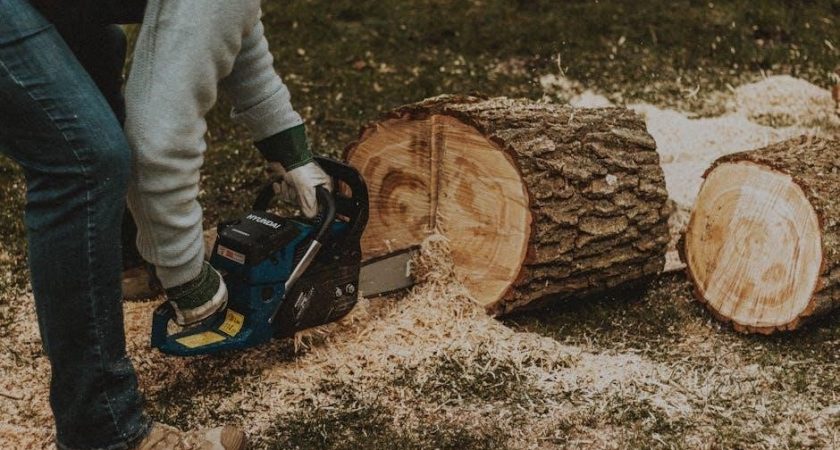
Chainsaw Firewood Length Guide: An Overview
Navigating firewood cutting requires understanding optimal lengths for efficiency and safety, considering both chainsaw capabilities and fireplace/stove dimensions for best results.
Understanding Firewood Length Needs
Determining the right firewood length is crucial for efficient burning and ease of use. It’s not a one-size-fits-all answer; your fireplace or wood stove’s dimensions are the primary factor. Too short, and you’ll be constantly reloading; too long, and you’ll struggle to fit the wood, potentially leading to incomplete combustion.
Consider how you’ll handle the wood – splitting, carrying, and stacking. Shorter lengths are easier to manage physically. Also, think about your chainsaw’s bar length; cutting wood significantly longer than your bar can be dangerous and inaccurate. Ultimately, understanding your specific needs ensures a warmer, safer, and more convenient firewood experience.
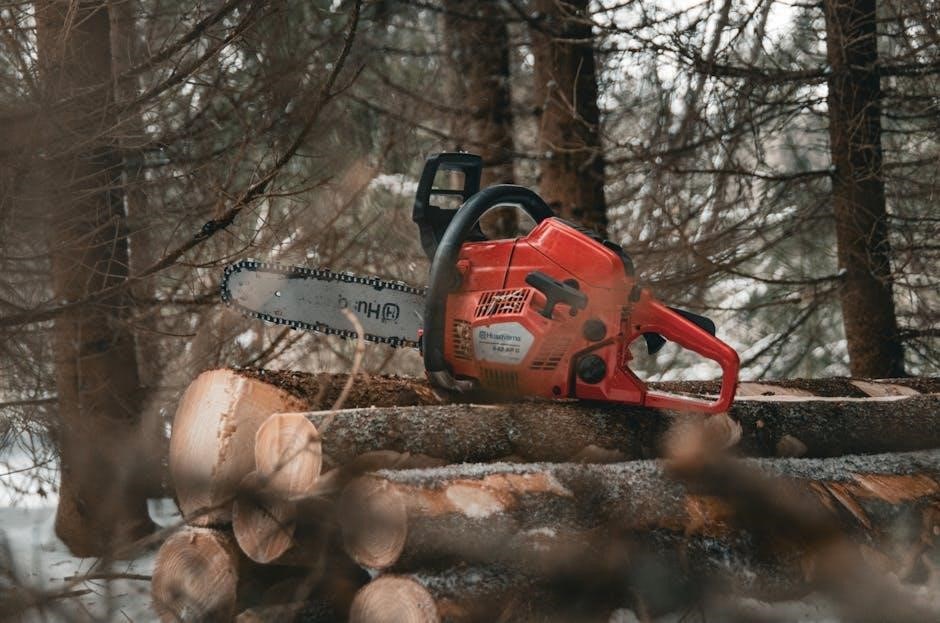
Standard Firewood Lengths
Common firewood lengths include 16, 20, and 24 inches, offering versatility for various fireplaces and stoves, balancing ease of handling with burn time.
16-inch Firewood: Common Uses
Sixteen-inch firewood is frequently favored for smaller fireplaces, wood stoves, and efficient burning in compact fire pits. This length is particularly manageable for homeowners who prefer easier handling and splitting, reducing physical strain during the firewood processing cycle. It’s an excellent choice for quick burns, providing rapid heat output, ideal for short, intense fires.
Furthermore, 16-inch lengths are often suitable for those with limited storage space, as they stack more compactly. While not providing the extended burn times of longer pieces, their convenience and ease of use make them a popular option for everyday heating and recreational fires. They are also a good starting point for beginners learning to cut firewood.
20-inch Firewood: Versatility and Popularity
Twenty-inch firewood strikes a balance between ease of handling and extended burn times, making it a widely popular choice among homeowners. This length accommodates a broad range of standard-sized fireplaces and wood stoves, offering versatility for various heating needs. It provides a substantial heat output without being overly cumbersome to manage, split, or stack.
The 20-inch length is often considered a sweet spot, offering a good compromise between quick heating and longer-lasting fires. It’s suitable for both regular home heating and enjoyable outdoor fires. Many find it easier to split than longer lengths, and it’s a common standard for firewood vendors, ensuring availability and consistent sizing.
24-inch Firewood: For Larger Fireplaces
Twenty-four-inch firewood is ideally suited for larger fireplaces and high-efficiency wood stoves designed to accommodate longer logs. This length provides extended burn times, reducing the frequency of reloading and maintaining a consistent heat output throughout the night. It’s a preferred choice for those seeking prolonged warmth with less intervention.
However, 24-inch logs require more physical strength to handle and split, and may not be suitable for smaller stoves or individuals with limited mobility. Careful consideration of your fireplace dimensions and personal capabilities is crucial before opting for this length. It’s often favored in colder climates where sustained heating is paramount.
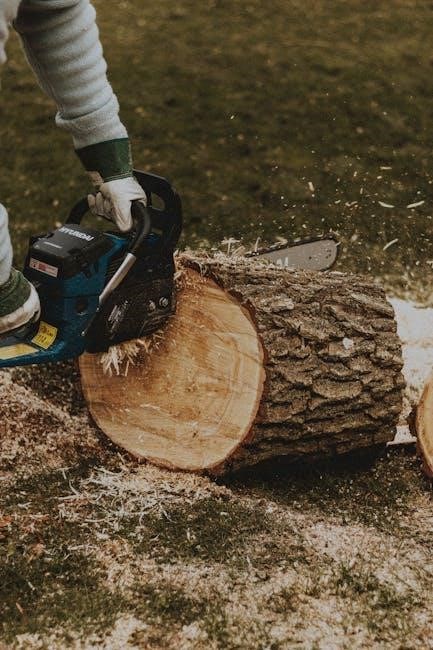
Factors Influencing Firewood Length Choice
Selecting the right firewood length depends on your fireplace/stove size, chainsaw bar length, and your ability to safely handle and split the wood.
Fireplace or Stove Size
Determining the appropriate firewood length begins with accurately measuring your fireplace or stove’s firebox. Firewood should ideally be several inches shorter than the firebox’s width to allow for easy loading and efficient burning. Larger fireplaces generally accommodate 24-inch lengths, providing longer burn times and reducing the frequency of reloading.
Conversely, smaller wood stoves often require 16- or 20-inch lengths for optimal performance. Overly long wood can be difficult to manage within the firebox, hindering airflow and potentially leading to incomplete combustion. Consider the depth of your firebox as well; excessively long pieces may not burn cleanly. Always prioritize a comfortable fit that maximizes burning efficiency and safety.
Chainsaw Bar Length Considerations
Your chainsaw’s bar length directly impacts the maximum diameter of wood you can safely and effectively cut, and influences the practical firewood lengths achievable. A longer bar (18-inch or greater) offers greater reach and is suitable for larger diameter trees, but can be unwieldy for precise cuts. Shorter bars (14-16 inch) provide more control for smaller diameter wood and are easier to maneuver.
When selecting a bar length, consider the typical size of the trees you’ll be processing. For firewood, a 16-20 inch bar is often a versatile choice, capable of handling most common wood sizes. Ensure the bar length aligns with your physical strength and experience level for safe operation.
Ease of Handling and Splitting
Shorter firewood lengths are undeniably easier to handle, carry, and stack, reducing physical strain during the entire process. This is particularly important for those new to firewood processing or with limited physical strength. Furthermore, shorter lengths generally split more easily with manual tools like axes or mauls, requiring less force.
However, consistently cutting shorter lengths means more cuts overall for a given volume of wood. Finding a balance between manageable weight and efficient cutting is key. Consider your splitting method and physical capabilities when determining the ideal length – prioritize safety and comfort alongside productivity.
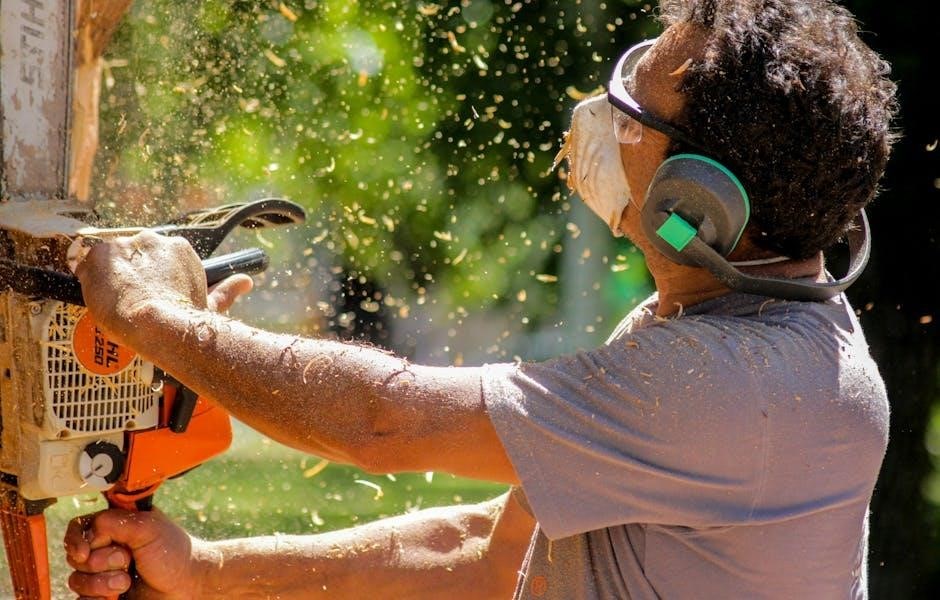
Cutting Firewood to Consistent Length
Achieving uniform firewood lengths is crucial for efficient burning and stacking; utilizing cutting guides, accurate marking, and proper chainsaw techniques ensures precision.
Using a Cutting Guide
Employing a cutting guide dramatically improves the accuracy and consistency of firewood lengths when using a chainsaw. These guides, often clamped to the wood, provide a visual and physical reference point for each cut, minimizing errors and ensuring uniformity. They are particularly helpful for those less experienced with chainsaw operation or for achieving precise measurements repeatedly.
A cutting guide simplifies the process, reducing the need for constant measuring and marking. This not only saves time but also contributes to safer operation by allowing the user to focus on the chainsaw’s movement rather than constantly checking measurements. Various types are available, from simple metal bars to more sophisticated adjustable systems, catering to different needs and budgets. Ultimately, a cutting guide is an invaluable tool for anyone seeking professional-looking and efficiently burning firewood.
Marking Firewood for Accurate Cuts
Precise marking is fundamental to achieving consistent firewood lengths, maximizing burning efficiency and simplifying storage. Utilize a measuring tape and a durable marker – a pencil may fade in outdoor conditions – to clearly indicate the desired length on each piece of wood; Consistent marking placement, such as on the same end or side, further enhances accuracy.
For bulk cutting, consider creating a simple jig or template to quickly transfer the length marking to multiple pieces. Double-checking measurements before cutting is crucial, especially when starting a new batch. Accurate markings minimize wasted wood and ensure a uniform stack, contributing to optimal airflow during seasoning and a more aesthetically pleasing firewood pile.
Chainsaw Techniques for Straight Cuts
Achieving straight cuts with a chainsaw demands proper technique and control, ensuring both safety and efficiency when preparing firewood. Maintain a firm grip with both hands, utilizing the saw’s bumper spikes to pivot and guide the bar. Avoid forcing the cut; let the chain do the work, applying gentle, consistent pressure.
Visualize the cutting line and follow it closely, making small adjustments as needed. For longer cuts, start with a shallow plunge and gradually increase depth. Regularly check your alignment to prevent drifting. A sharp chain is paramount for clean, straight cuts; a dull chain will require excessive force and produce ragged edges.

Chainsaw Safety When Cutting Firewood
Prioritizing safety is crucial; always wear appropriate PPE, understand operational best practices, and diligently practice kickback prevention techniques for secure firewood processing.
Personal Protective Equipment (PPE)
Essential PPE is non-negotiable when operating a chainsaw for firewood. This includes a properly fitted helmet, safeguarding against falling debris. Eye protection, such as safety glasses or a face shield, is vital to prevent wood chips and particles from causing injury.
Hearing protection, like earmuffs or earplugs, minimizes the damaging effects of chainsaw noise. Sturdy, chainsaw-specific chaps protect legs from accidental contact with the moving chain. Durable gloves enhance grip and offer some protection, while steel-toed boots shield feet from dropped logs or the chainsaw itself;
Appropriate clothing, avoiding loose fits, further reduces risks. Regularly inspect all PPE for damage and ensure a secure, comfortable fit before each use.
Safe Chainsaw Operation Practices
Always maintain a firm grip with both hands on the chainsaw while operating. Keep a wide, stable stance, ensuring balanced footing on the terrain. Be acutely aware of your surroundings, identifying potential hazards like branches or uneven ground. Never cut above shoulder height, as this compromises control.
Avoid cutting with the tip of the chainsaw bar, a primary cause of kickback. Ensure the chain is sharp and properly tensioned for efficient and safe cutting. Never operate a chainsaw while fatigued or under the influence of substances.
Always have a clear escape path planned before making a cut. Shut off the chainsaw when moving between cuts or navigating obstacles.
Kickback Prevention
Kickback, a sudden, uncontrolled upward or backward movement of the chainsaw, is a significant hazard. To minimize risk, avoid using the upper quadrant of the guide bar’s tip. Maintain a sharp chain, as dull chains increase kickback potential. Always keep the kickback guard intact and functioning correctly.
Hold the chainsaw firmly with both hands, thumbs wrapped securely around the handles. Stand slightly to the side of the cutting plane to avoid being in line with a potential kickback.
Be especially cautious when cutting small branches or limbing, as these situations are prone to kickback. Understand your chainsaw’s safety features and practice safe cutting techniques.
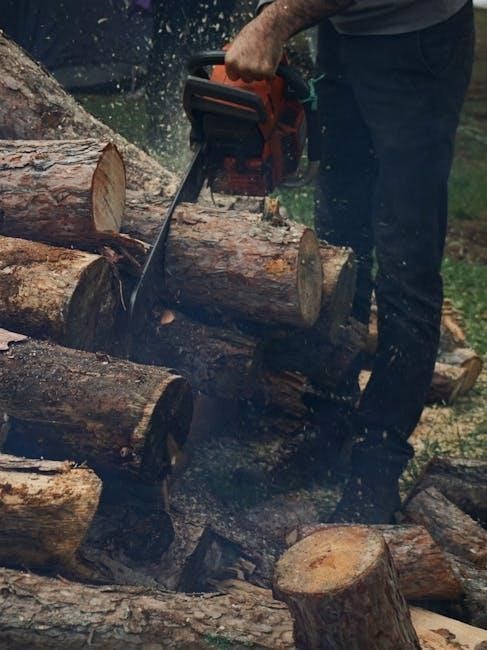
Types of Chainsaws for Firewood Cutting
Gas, battery, and manual chainsaws offer varying power and convenience levels for firewood tasks, impacting cutting speed and overall efficiency for users.
Gas-Powered Chainsaws: Power and Performance
For substantial tree-cutting and consistent firewood processing, gas-powered chainsaws remain the dominant choice, delivering raw power unmatched by alternatives. These robust tools excel at tackling larger diameter wood and extended cutting sessions without the limitations of battery life.
While requiring more maintenance – including fuel mixing and engine upkeep – the performance benefits often outweigh these considerations for serious firewood gatherers. Gas chainsaws provide the muscle needed for bucking and limbing, efficiently converting felled trees into manageable firewood lengths.
They are particularly well-suited for those who process large volumes of wood annually, offering a reliable and powerful solution for consistent firewood production. However, users should be mindful of exhaust emissions and noise levels associated with gas-powered operation.
Battery-Powered Chainsaws: Convenience and Emissions
Battery-powered chainsaws have rapidly evolved, offering a compelling alternative for homeowners and those needing a convenient, low-emission option for firewood tasks. These chainsaws eliminate the hassle of fuel mixing, reduce noise pollution, and produce zero direct emissions, making them environmentally friendly.
Modern battery technology provides sufficient power for clearing branches, cutting smaller diameter firewood, and general yard maintenance. While not yet matching the sustained power of gas models, battery chainsaws are ideal for lighter workloads and quick jobs around the property.
Their ease of use and reduced maintenance make them attractive, though users must consider battery life and charging times when planning larger cutting projects.
Manual Chainsaws: For Emergency Use
While not the primary choice for regular firewood processing, manual chainsaws offer a valuable backup option, particularly in emergency situations or when power isn’t available. These saws rely on human power, eliminating the need for fuel, batteries, or electricity, making them incredibly reliable in remote locations.
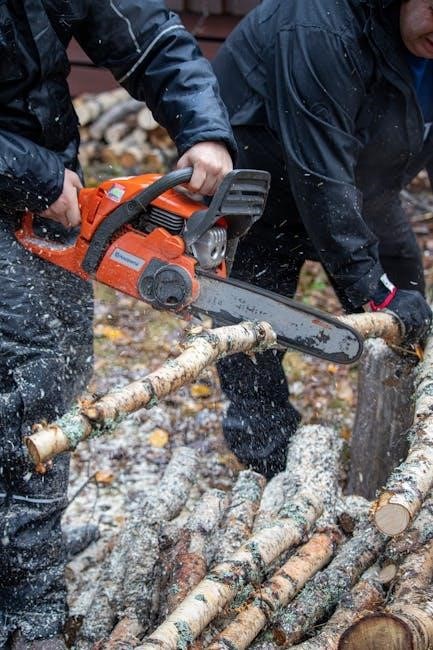
Typically featuring a hand-cranked mechanism, manual chainsaws are best suited for smaller branches and limited cutting tasks. They require significant physical effort and are slower than powered chainsaws, but provide a functional solution when other options are unavailable.
Consider a manual chainsaw as a supplemental tool for unexpected needs, not for large-scale firewood preparation;
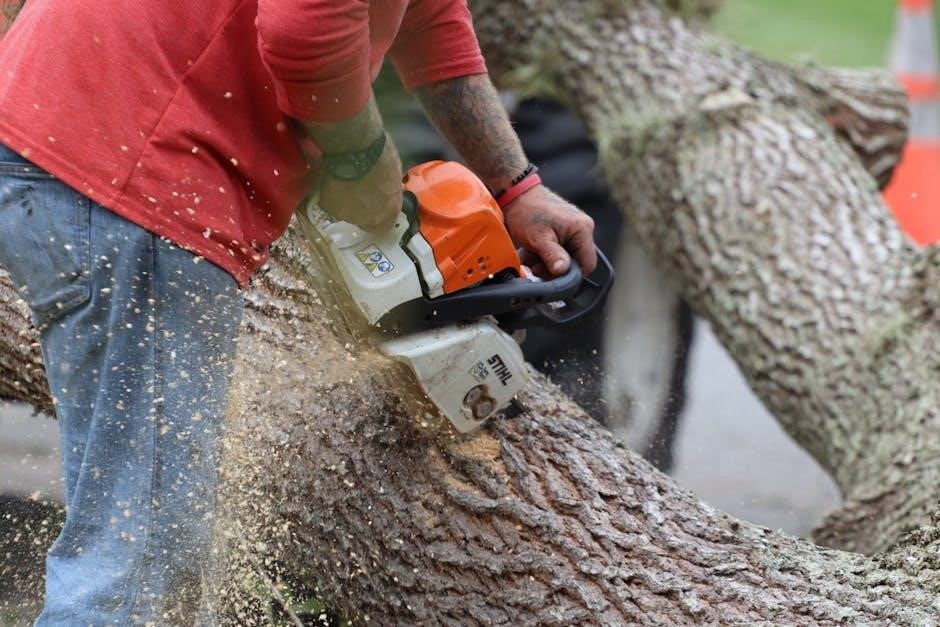
Optimizing Firewood Cutting Efficiency
Maximize your efforts by prioritizing bucking over limbing, maintaining a sharp chain, and performing regular chainsaw upkeep for smoother, faster firewood processing.
Bucking vs. Limbing
Understanding the difference between bucking and limbing is crucial for efficient firewood processing. Bucking refers to cutting the felled tree trunk into manageable lengths – the future firewood pieces. This is generally done first, as it’s safer and easier to maneuver shorter sections. Limbing, conversely, involves removing the branches from the felled tree.
Prioritizing bucking before limbing offers several advantages. It provides a stable base for limbing, reducing the risk of the tree rolling or shifting. Furthermore, bucking allows for easier handling and transport of the wood. Limbing can be more efficiently performed once the main trunk is sectioned, allowing for better access and control with the chainsaw. Focusing on bucking first streamlines the entire process, saving time and energy.
Proper Chainsaw Maintenance
Consistent chainsaw maintenance is paramount for safe and efficient firewood cutting. Regularly inspect the chain for sharpness and proper tension; a dull chain requires more force and increases kickback risk. Clean the air filter after each use to ensure optimal engine performance. Check the bar for wear and lubrication, ensuring the oiler is functioning correctly.
Fuel mixtures must be precise, following the manufacturer’s recommendations. Inspect and tighten all nuts and bolts before each cutting session. Proper storage, away from moisture and extreme temperatures, extends the chainsaw’s lifespan. A well-maintained chainsaw delivers cleaner cuts, reduces fatigue, and minimizes the chance of breakdowns during critical work.
Sharpening Chainsaw Chains
Maintaining a sharp chainsaw chain is crucial for efficient firewood cutting and operator safety. A dull chain requires excessive force, increasing the risk of kickback and fatigue. Utilize a chainsaw sharpening kit, including a round file, flat file, and depth gauge. File each cutter tooth at the correct angle, maintaining consistent length and sharpness.
Regularly check the depth gauges to ensure they are at the proper height, preventing overly aggressive cutting. Practice makes perfect; learning to sharpen effectively extends chain life and improves cutting performance. Consider professional sharpening services if you’re uncomfortable performing this task yourself, ensuring optimal results.
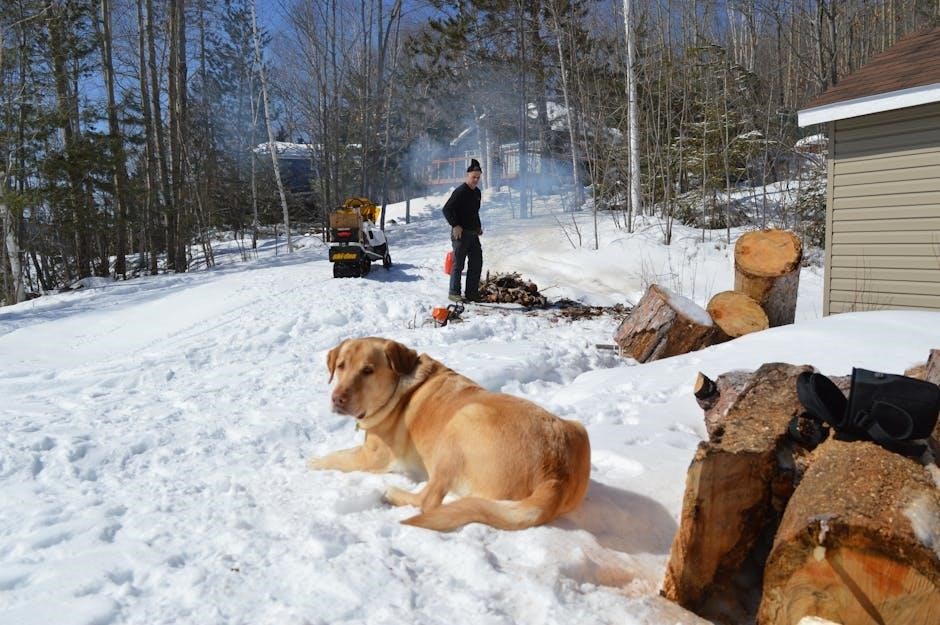
Storing Firewood After Cutting
Proper storage is vital for seasoning firewood, ensuring optimal burning characteristics through airflow and protection from rain and snow accumulation.
Seasoning Firewood for Optimal Burning
Seasoning firewood is a crucial step often overlooked, dramatically impacting burn quality and efficiency. Freshly cut wood contains significant moisture, hindering combustion and creating excessive smoke. The seasoning process reduces this moisture content, typically requiring six months to two years, depending on wood type and climate.
Properly seasoned wood burns hotter, cleaner, and produces more heat output. Stacking firewood correctly – allowing ample airflow – is paramount. Elevating the woodpile off the ground prevents moisture absorption. Covering the top of the pile shields it from rain and snow, while leaving the sides open for ventilation. Monitoring moisture content with a moisture meter ensures optimal dryness, ideally below 20% for efficient burning.
Stacking Methods for Airflow
Effective firewood stacking isn’t just about neatness; it’s about maximizing airflow for optimal seasoning and preventing mold or rot. Several methods promote good circulation. The traditional “log cabin” style, where layers are crisscrossed, offers stability and airflow. Another popular method is the parallel stacking, leaving space between rows for ventilation.
Elevating the woodpile on runners or pallets is essential, preventing ground moisture absorption. Avoid tightly packing the wood; gaps are vital. Consider prevailing wind direction when orienting the stack. A well-stacked pile allows air to circulate freely, accelerating the seasoning process and ensuring a hotter, cleaner burn when the wood is finally used in your fireplace or stove.
Protecting Firewood from the Elements
Shielding your seasoned firewood from rain and snow is crucial to maintain its dryness and burning efficiency. While complete enclosure isn’t ideal (restricting airflow), partial covering is highly recommended. A simple tarp secured over the top of the stack, leaving the sides open, provides excellent protection.
Ensure the tarp is properly anchored to prevent wind damage. Consider building a shed or lean-to specifically for firewood storage for long-term preservation. Elevating the woodpile, as mentioned previously, further minimizes moisture contact. Protecting firewood preserves its heat value, reduces mold growth, and guarantees a readily available, dry fuel source throughout the colder months.